A tool chest that sticks, flexes under load or wastes half its drawer space becomes a daily frustration very quickly. A good tool chest buying guide should help you avoid that mistake and choose storage that suits the way you actually work, whether that means van-based trade jobs, a fixed workshop or a busy home garage.
The right choice is not simply the biggest box you can afford. Capacity matters, but so do drawer depth, build quality, castors, lock security and how your tools are split between hand tools, power tools and consumables. Buy well and your storage works harder, keeps gear protected and saves time every day.
What a tool chest needs to do
Before looking at sizes and features, think about the job your storage needs to handle. A plumber carrying a broad mix of hand tools and fittings has very different needs from a carpenter storing larger cordless kit, and both differ again from a DIY user building out a garage workshop.
If your tools stay in one place, a larger cabinet-and-chest setup often gives the best long-term value. You get more usable storage, better organisation and room to grow. If you move around a lot, mobility and footprint may matter more than outright capacity. In that case, a compact roller chest with sensible drawer layouts can be the better buy.
It also helps to think beyond today. Most buyers underestimate how quickly tool collections grow. If your chest will be full on day one, it probably is not the right size.
Tool chest buying guide: choosing the right size
Size is the first big decision, but it should be measured in usable storage rather than outside dimensions. Wide shallow drawers are ideal for spanners, screwdrivers, sockets and measuring tools because everything stays visible. Deeper drawers suit power tools, chargers, bulkier accessories and boxed kits.
A smaller chest can work brilliantly if the drawer layout is efficient. Equally, a large unit with too many deep drawers can waste space if most of your kit is hand tools. That is why internal drawer dimensions matter as much as overall width.
For regular DIY use, a compact or mid-size chest is often enough, especially if you mainly need to organise hand tools and a few cordless tools. For trade users, especially those working every day with growing kit, stepping up to a larger roller cabinet or top chest combination usually pays off. It gives better separation between tool types and reduces the habit of piling tools on top because there is nowhere sensible to put them.
If floor space is tight, measure it properly before buying. Include room for drawer extension, lid opening and access around the unit. A chest that technically fits but cannot open fully is a poor investment.
Build quality matters more than extra features
A lot of tool chests look similar in product photos. The difference appears when they are loaded with real tools. Thin steel, weak drawer runners and poor castors may seem acceptable at first, then start to show their limits once the weight goes up.
Look for a chest with solid steel construction and drawers designed to handle regular use under load. Smooth-action ball bearing runners are worth having because they improve access and stand up better to repeated opening and closing. A drawer should feel controlled when loaded, not flimsy or uneven.
The same applies to the frame and top surface. If you use the chest as a working area, the top needs to cope with that. In workshops especially, the cabinet often becomes part of the job, not just somewhere to park tools.
Finish quality matters too. A durable powder-coated finish helps resist scratches, workshop grime and corrosion. It will not make a budget chest indestructible, but it does help it stay presentable and easier to maintain over time.
Drawers, layout and day-to-day efficiency
The most useful tool chest is not always the one with the highest number of drawers. It is the one that lets you reach the right tool quickly and keep similar items together.
Shallow drawers are excellent for frequently used hand tools because they stop items being buried. That saves time on site and in the workshop. Deeper drawers are better used sparingly for bulkier tools and accessories. Too many deep drawers can turn the chest into a stack of mixed gear, which defeats the point of organised storage.
Think in working groups. You may want one drawer for marking and measuring, one for cutting tools, one for fixing tools, one for sockets and ratchets, and another for electrical testers or plumbing-specific gear. If you already use tool trays, foam inserts or modular organisers, make sure the drawer dimensions will accommodate them properly.
Full-width drawers can be a major advantage for longer tools such as levels, pry bars and saws, but only if the chest itself is wide enough to justify the space. On smaller units, a balanced mix of narrow and wide drawers often gives better flexibility.
Mobility, castors and workshop positioning
If the chest needs to move, do not treat castors as a minor detail. They have a direct effect on how stable, practical and safe the chest feels when loaded.
Larger, better-quality castors roll more smoothly over workshop floors and cope better with thresholds and rougher surfaces. Locking castors are essential if the unit will be used as a working station. A loaded chest that shifts when you pull a drawer is more than annoying.
Handle placement also matters. Side handles should feel solid and comfortable enough to control the unit properly. For buyers working between garage, shed and drive, or moving equipment around a commercial workshop, this makes a genuine difference.
If your chest will mostly stay put, mobility still has value for cleaning, reconfiguring space or bringing tools closer to the task. But if movement is only occasional, you may prioritise sturdier construction and storage volume over premium rolling performance.
Security and protection
A locking system will not replace sensible site security, but it is still an important part of the buying decision. At minimum, a chest should keep tools secure from casual access and prevent drawers opening during movement.
For shared workshops or garages, locks provide simple control and peace of mind. For mobile use, they help keep tools contained and protect more expensive kit. If you store cordless tools, batteries and specialist hand tools together, secure locking becomes more worthwhile.
Drawer liners are another feature worth having. They help stop tools sliding around, reduce wear on drawer interiors and keep your layout tidy. It is a simple detail, but one that improves the day-to-day experience.
Matching the chest to your type of work
This is where the best buying decisions are made. A tool chest should reflect the tools you use most often.
For mechanics and workshop users, a wider chest with multiple shallow drawers usually makes the most sense. Sockets, ratchets, pliers, screwdrivers and specialist hand tools are easier to organise when everything sits flat and visible.
For builders, fitters and general trades carrying a mix of hand tools and cordless equipment, a roller cabinet with a practical blend of shallow and mid-depth drawers is often the better choice. It allows faster access to daily essentials while still making room for drills, impact drivers, chargers and fixings.
For serious DIY users, the key is avoiding two common mistakes – going too small and paying for a commercial-scale unit you will never fill. Mid-size storage often hits the sweet spot, giving enough room for growth without taking over the garage.
Tool chest buying guide: where value really sits
Price matters, but the cheapest option rarely offers the best value if it needs replacing early or slows you down every day. A tool chest is a workshop essential that should last, protect your investment in tools and make work more efficient.
That does not mean every buyer needs a top-end unit. It means looking closely at the parts that affect performance: steel thickness, runner quality, drawer load capacity, castor strength and overall fit and finish. If the chest will see daily professional use, spending more upfront is usually justified. For lighter use, a well-made mid-range option can be the smarter purchase.
Recognised brands often earn their place here because consistency matters. Reliable build quality, sensible layouts and dependable hardware tend to show up over years of use, not just in product photos. For buyers who want professional standards without second-guessing the basics, that confidence is valuable.
A good tool chest should feel like part of the job, not an afterthought. Choose one around the way you work, the tools you own and the tools you are likely to add next. Get that right and every project starts faster, finishes tidier and feels properly under control.
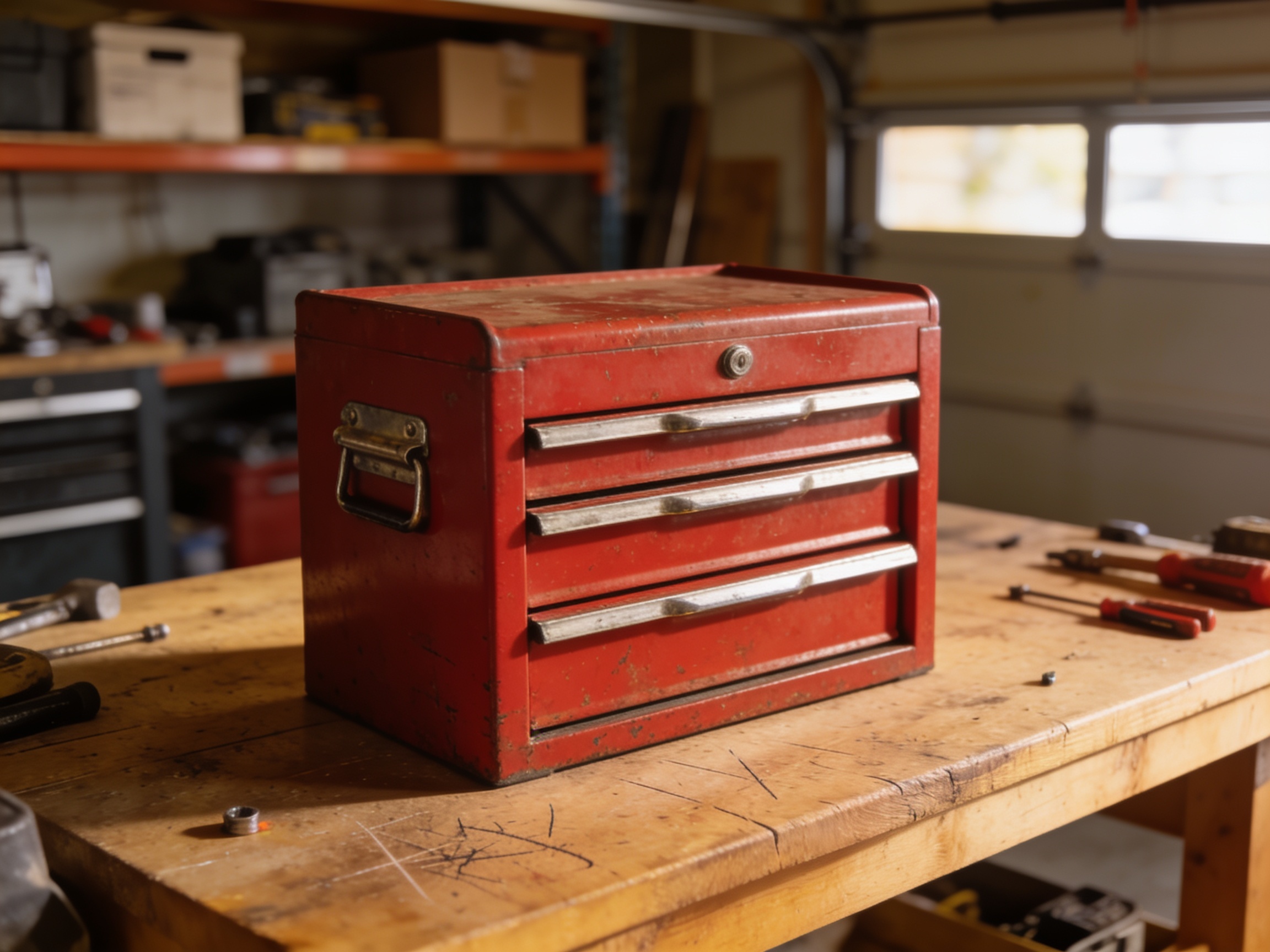
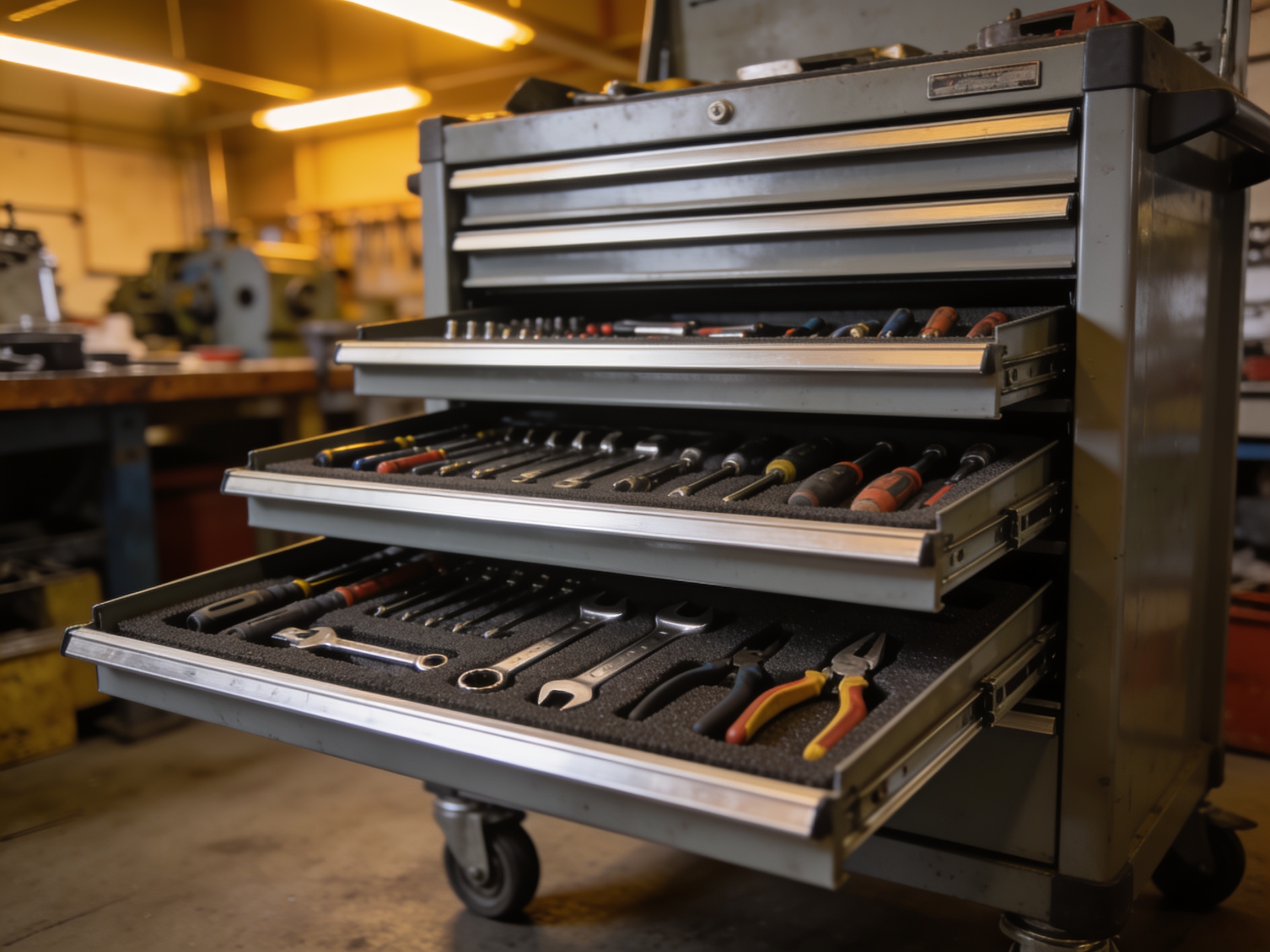
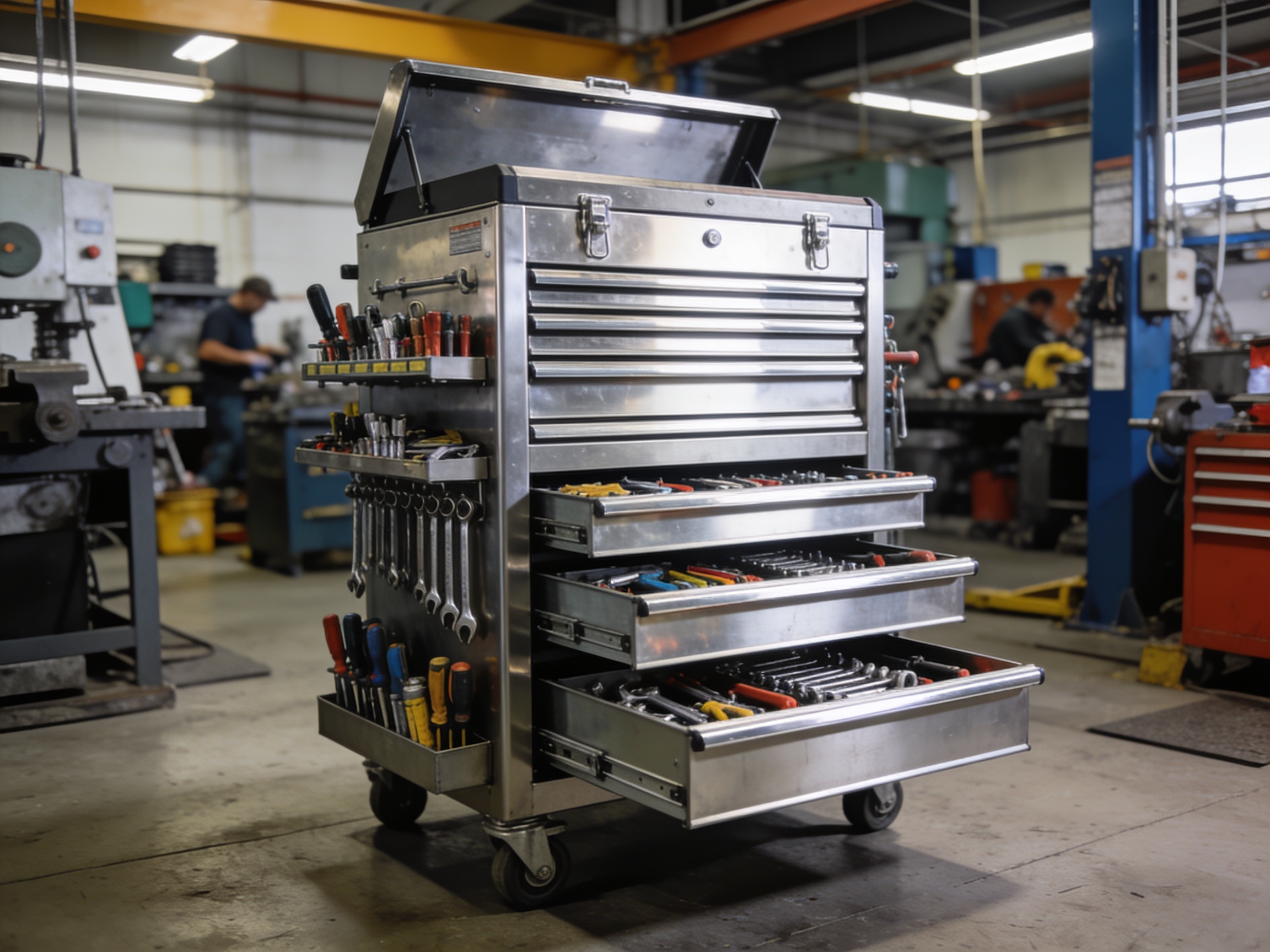
For the tools that will actually live in your new chest, our guides to drill bits for every material, choosing an angle grinder and electricians' tools cover the kit most buyers are looking to organise.
[…] angle grinder cover the tools most likely to be used from the top of one of these ladders, and our tool chest buying guide covers keeping everything organised in between […]
[…] in front of you and still reliable for the next one. If you are building out a wider kit, our tool chest buying guide covers how to keep everything organised and protected between […]
[…] also organising batteries, chargers and nail gun magazines alongside the rest of your kit, our tool chest buying guide is worth a […]
[…] on site — and if you’re organising a growing collection of bodies and batteries, our tool chest buying guide is worth a look […]
[…] you have settled on a drill, our guides to choosing the right drill bits for every material and picking a tool chest to keep everything organised cover the accessories most buyers need […]
[…] you are building out a wider kit around your drill, our guide to choosing cordless power tools and tool chest buying guide cover how to keep bits, batteries and accessories organised between jobs. And once you have the […]