Grinders
Compared on price, power and value, with prices checked daily against Amazon UK. Not sure where to start? Our buying advice is further down the page.
-

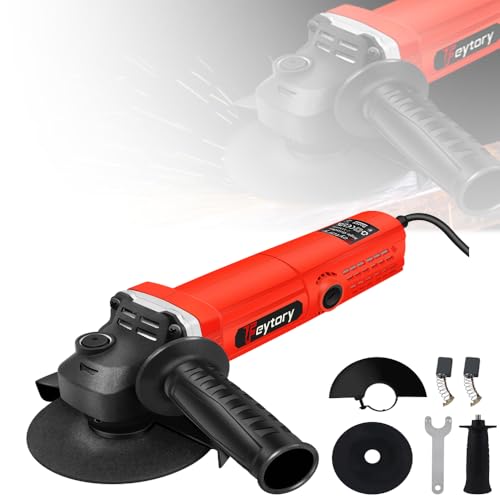
2000W Corded Electric Angle Grinder 115mm Disc Heavy Duty Cutting Grinding
£16.74 -
2000W Corded Electric Angle Grinder 115mm Grinding Disc 4 Inch inch Grinder Power Tool with Auxiliary Handle, Wrench and Wheel Disc, 12000 RPM for Sanding Cutting Grinding Polishing
£14.87 -
2000W Electric Angle Grinder, 115mm 4.5 inch Grinding Tool 12000 RPM with Wheel Guard, Wheel Disc for Metal,Tile Cutting and Grinding
£10.74 -
Angle Grinder Power Tool: DEKOPRO 115mm 750W Corded Electric Angle Grinder for Cutting, Polishing and Sanding
£24.99 -
Angle Grinder Power Tool: DEKOPRO 115mm 900W Corded Electric Angle Grinder for Cutting,Polishing and Grinding Short Handle
£25.99 -
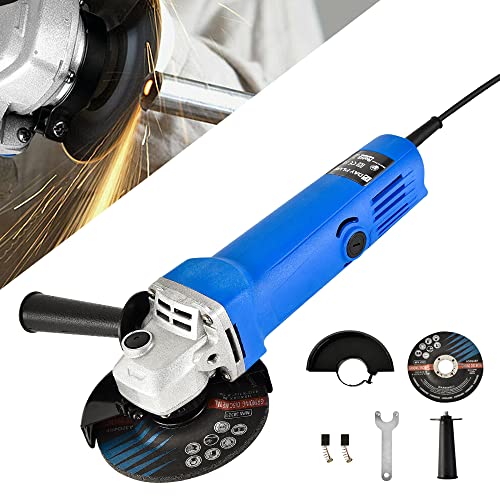
Angle Grinder Tool with Disc & Side Handle, 12000RPM 115mm Electric Angle Grinders with Cutting Wheel Auxiliary Handle Spanner, Safety Guard, for Steel Stone Marble Tile Cutting and Grinding Blue
£19.00 -
Angle Grinder, DEWINNER Corded Cutting Grinding Polishing, with Disc, Side Handle, 850 W 220-240 V Cutter, Adjustable Pin,115mm+ 6 Discs
Original price was: £36.99.£29.74Current price is: £29.74. -
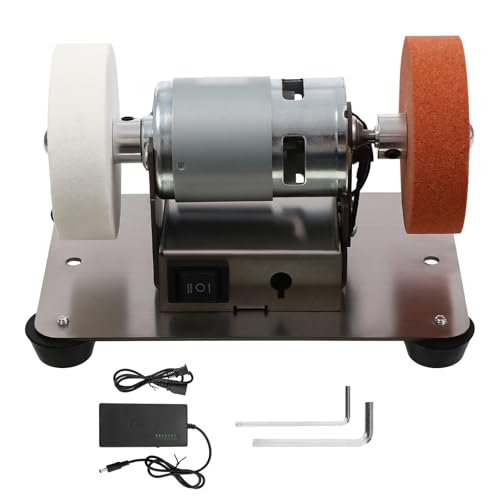
AXGCAA Electric Bench Grinder, 96W Small Benchtop Sander with 2 Grinding Wheels, Electric Belt Sander with 7 Gear Adjustable Speed, Table Grinder for Woodworking Knife Making Crafts DIY
£42.40 -
BLACK+DECKER 115mm 710W Compact Corded Angle Grinder, with 5 Cutting Discs, Cutting Guard, & Grinding Guard, BEG010A5-GB
Original price was: £30.00.£29.00Current price is: £29.00. -
Bosch
Original price was: £48.00.£44.00Current price is: £44.00. -
Bosch PRO Angle Grinder GWS 9-115 S
Original price was: £76.50.£74.00Current price is: £74.00. -
Bosch PRO Angle Grinder Small Angle Grinders
£67.55 -
Bosch PRO Straight Grinder GGS 30 S
£176.45 -
Bosch Professional Angle Grinder GWS 7-115 (110V, 720 W, disc Diameter 115 mm, Includes Backing Flange, Locking Nut, Protective Guard)
£64.98 -
C P CHANTPOWER 115mm 900W Corded Angle Grinder Power Tool with 5X Wheels
Original price was: £35.95.£30.54Current price is: £30.54. -
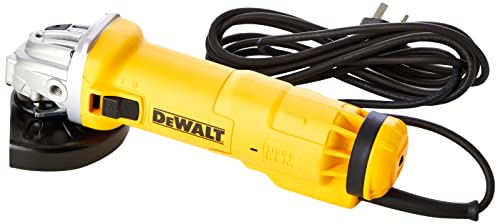
DEWALT DWE4036-GB 750W 115mm Angle Grinder
£59.99 -
DEWALT DWE4206 DEWALT DWE4206-GB 115mm Mini Grinder 1010 Watt 240 Volt
£55.00 -
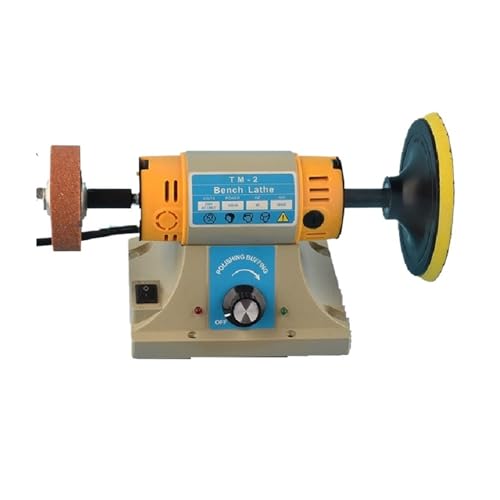
DIY Sander Grinder Bench Lathe Electric Benchtop Wool Shears Sharpener Shearing Machine Blade Sharpener Widely Use
£76.52 -
Draper Storm Force Angle Grinder, 115mm, 650W 56457
£22.98 -
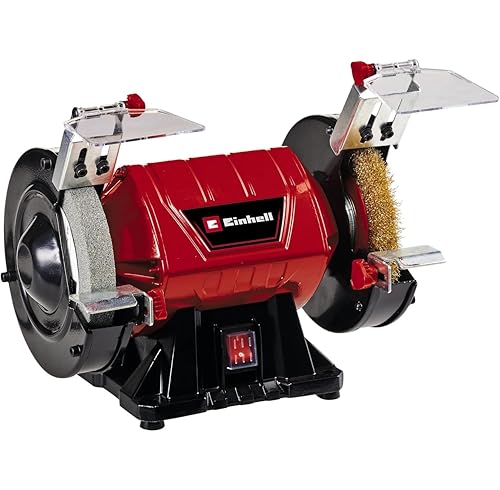
Einhell 150mm Dual Bench Grinder Polisher 350W 2980 RPM
£64.95







Buying guide to corded angle grinders
Corded angle grinders are one of the hardest-working power tools you can own. With the right discs fitted they cut steel, slabs and tiles, strip rust and paint, and clean up welds. Most models here run from the mains, so you get a powerful motor that never fades and a far lower price than an equivalent cordless kit. Here is how to pick the right one.
What size do you need?
115mm: the most popular size for DIY and general trade work. Light, easy to control one-handed for short spells and ideal for tight spaces.
125mm: a touch more depth and a wider choice of discs. Many trades see it as the best all-rounder.
230mm: big two-handed machines for kerbs, slabs and thick steel. Heavier and more tiring, so only buy one if the job calls for it.
As an example, a 115mm model takes roughly 30mm off the edge of a slab, while a 230mm unit goes through around 65mm.
Motor power and features
For a 115mm tool, 700 to 900W is plenty for most work. Larger tools run from 2000W and up. Beyond raw wattage, look for:
Soft start, which stops the tool kicking in your hand at switch-on.
A tool-free guard you can turn in seconds.
Restart protection, so it will not spin up by itself if the power drops and comes back.
A slim body and rotating rear handle, which make the tool easier to grip for long spells.
Variable speed, handy for polishing and flap discs on stainless.
On UK building sites you may need a 110V model rather than 240V, so check before you buy.
Discs for every job
Thin 1mm discs cut steel quickly and cleanly. Diamond blades cut stone, brick and tiles. A flap disc smooths welds and removes rust without gouging, and wire cup brushes strip paint. Always match the disc to the tool’s size and check its rated speed is at least as high as the machine’s.
Corded or cordless?
Mains tools win on cost and endurance. Cordless angle models on 18V platforms are now strong enough for most site work and are far handier at height or outdoors, but you will need at least two batteries. If you already own a battery range, a body-only cordless tool may be the cheaper route. Read our guide on how to select angle grinders for more detail.
Brands and value
Makita, Bosch, DeWalt and HiKOKI (formerly Hitachi) are the most trusted brands in UK trade circles, and their mains tools often last many years. The Bosch GWS 750 and similar 115mm models are popular because they balance price, weight and power. Cheap no-name tools can be fine for occasional DIY, but expect cruder guards and shorter brush life. Spend more if you will use it every day.
Corded angle grinders FAQs
What’s the best one to get? For most people, a 115mm or 125mm model of around 900W from a known brand, with soft start and restart protection.
What’s the difference between a regular grinder and an angle grinder? A bench grinder is fixed to a work surface and you bring the work to its stones, often for sharpening. An angle model is handheld, with the disc set at right angles to the motor, so you take it to the job.
What is a good small grinder for tight spaces? A slim 115mm tool with a paddle switch, or a cordless angle model, is the smaller option for working inside frames and cabinets.
Before you start, read our angle grinder safety guide. You will find heavier masonry tools in our disc cutters and more in all power tools.