
A mitre saw can save time on site, sharpen up finish work and make repeat cuts far more accurate than a handsaw ever will. If you’re wondering how to choose a mitre saw without overpaying for features you will never use, the right starting point is the work itself — skirting, framing, decking, flooring, studwork or general renovation all place different demands on the tool.
Mitre saws sit within our wider power tools range, so once you’ve settled on a type, you can compare specific models side by side.
How to choose a mitre saw by the work you do
The quickest way to narrow the field is to be honest about the materials, cut sizes and frequency of use. A trade user cutting timber every day will usually need more durability, more capacity and a motor that holds up under constant use. A serious DIY buyer may be better served by a dependable saw with the core features covered, rather than the biggest model in the range.
For trim, skirting boards, architraves and smaller mouldings, a compact mitre saw is often enough. These jobs rely on clean, precise angled cuts more than huge cross-cut capacity. If you regularly work with wider boards, kitchen panels, flooring or larger section timber, capacity becomes more important very quickly.
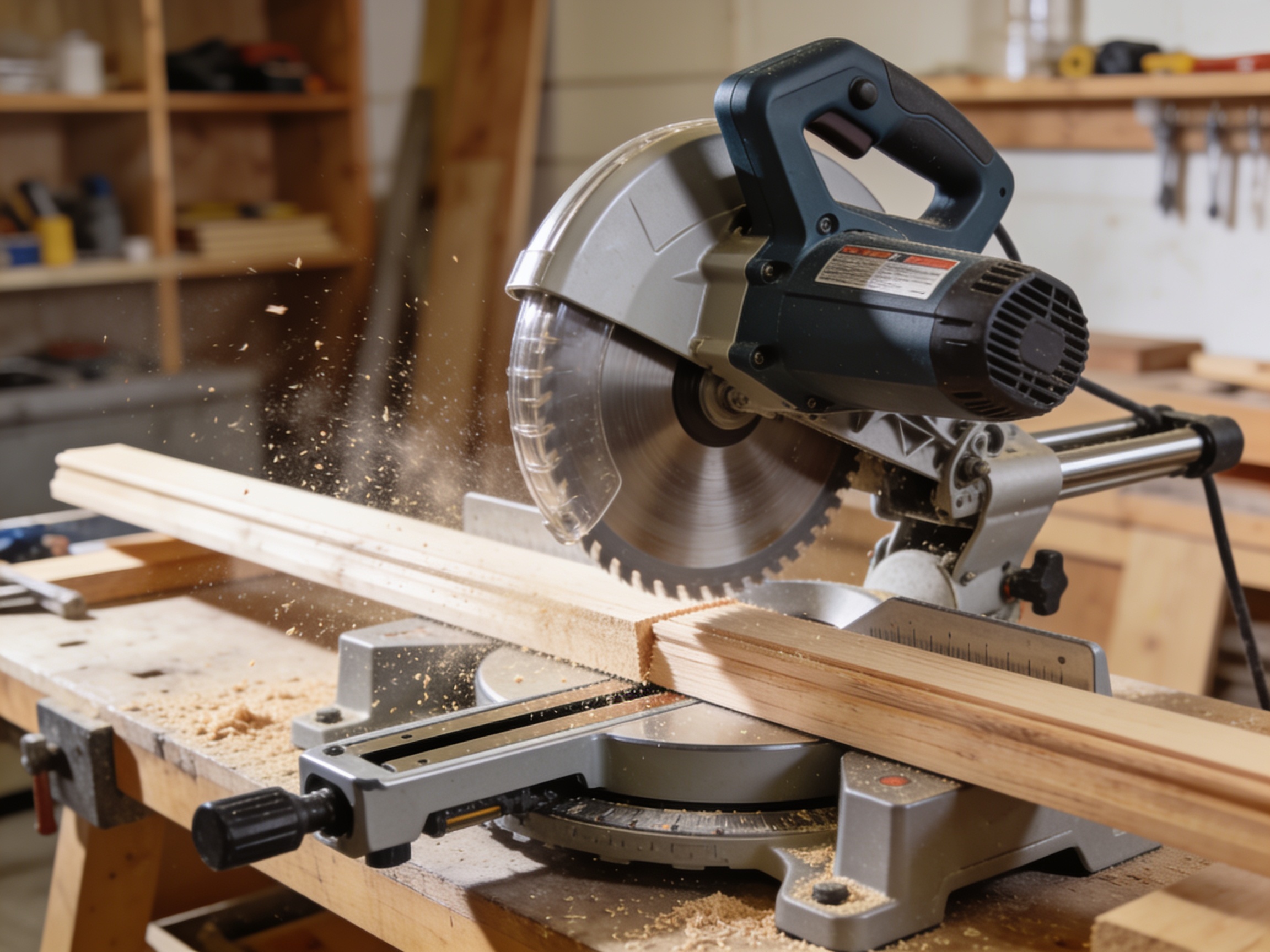
For first-fix carpentry, fencing, decking and general building work, a sliding mitre saw is often the more practical option. The slide rails let the blade travel across wider material, which opens up the tool for far more than neat finishing cuts. It does add bulk and cost, but for many users that extra range is what makes the saw genuinely versatile. Keeping the rest of your kit organised matters too — see our tool chest buying guide if storage is next on your list.
Standard or sliding mitre saw?
This is usually the biggest buying decision.
A standard mitre saw is simpler, lighter and often better value. If most of your work involves narrower timber, trim and moulding, it can be the right choice. It also tends to suit smaller workshops and van setups because it takes up less space.
A sliding mitre saw gives you more cutting width and broader jobsite usefulness. That matters if you’re cutting floorboards, wider CLS, shelving, decking boards or sheet-based trims. The trade-off is weight, footprint and price. If the saw will stay on a bench or stand, that may not matter much. If you need to carry it from room to room or lift it in and out of a van every day, it matters a lot.
There is no advantage in buying a sliding model just because it sounds more capable. If you rarely cut wide stock, you may simply end up with a heavier saw than you need.
Blade size and cutting capacity
Blade size affects both capacity and portability. Common mitre saw sizes include 216mm and 254mm, with larger models available for heavier-duty use.
A 216mm saw is a strong all-round option for many buyers. It balances manageable size with enough capacity for a wide range of home improvement and site tasks. For regular trim work, laminate flooring, stud timber and general joinery, it often hits the sweet spot.
A 254mm saw steps up capacity and is often the better fit for trade use or larger material. If you’re dealing with deeper sections of timber, wider boards or more demanding first-fix work, the extra cutting ability can justify the larger footprint.
Bigger is not automatically better. Larger blades usually mean a heavier machine, a higher spend and sometimes more space required behind or around the saw. Capacity should match your normal workload, not the biggest cut you might make once a year.
Corded or cordless
Corded mitre saws remain the default choice for many workshops and fixed benches. They deliver steady power, no runtime concerns and strong value for money. If your saw will mostly live in one place with easy access to mains power, corded still makes a lot of sense.
Cordless mitre saws have become far more credible for site work, especially for trades already invested in a battery platform. The convenience is obvious when you’re moving around a property, working outdoors or fitting in spaces where power access is awkward. For punch-list work, second-fix jobs and mobile installations, cordless can be a serious productivity gain. If you’re already comparing cordless tools, our impact driver vs drill guide covers the same battery-platform logic.
The key question is whether portability will genuinely improve your working day. If yes, cordless is worth considering. If no, a corded model may deliver better value. Battery compatibility matters too. If you already run a recognised cordless system from brands such as DeWalt, Makita, Milwaukee or Bosch, staying within that platform can keep costs under control.
Accuracy features that actually matter
Mitre saw buyers are often drawn to headline specs, but long-term satisfaction usually comes down to repeatable accuracy and ease of setup.
A solid fence, a stable base and positive mitre stops make more difference than flashy extras. You want a saw that locks down firmly and returns to common angles with confidence. For skirting, trim and finish work, small inaccuracies become visible very quickly.
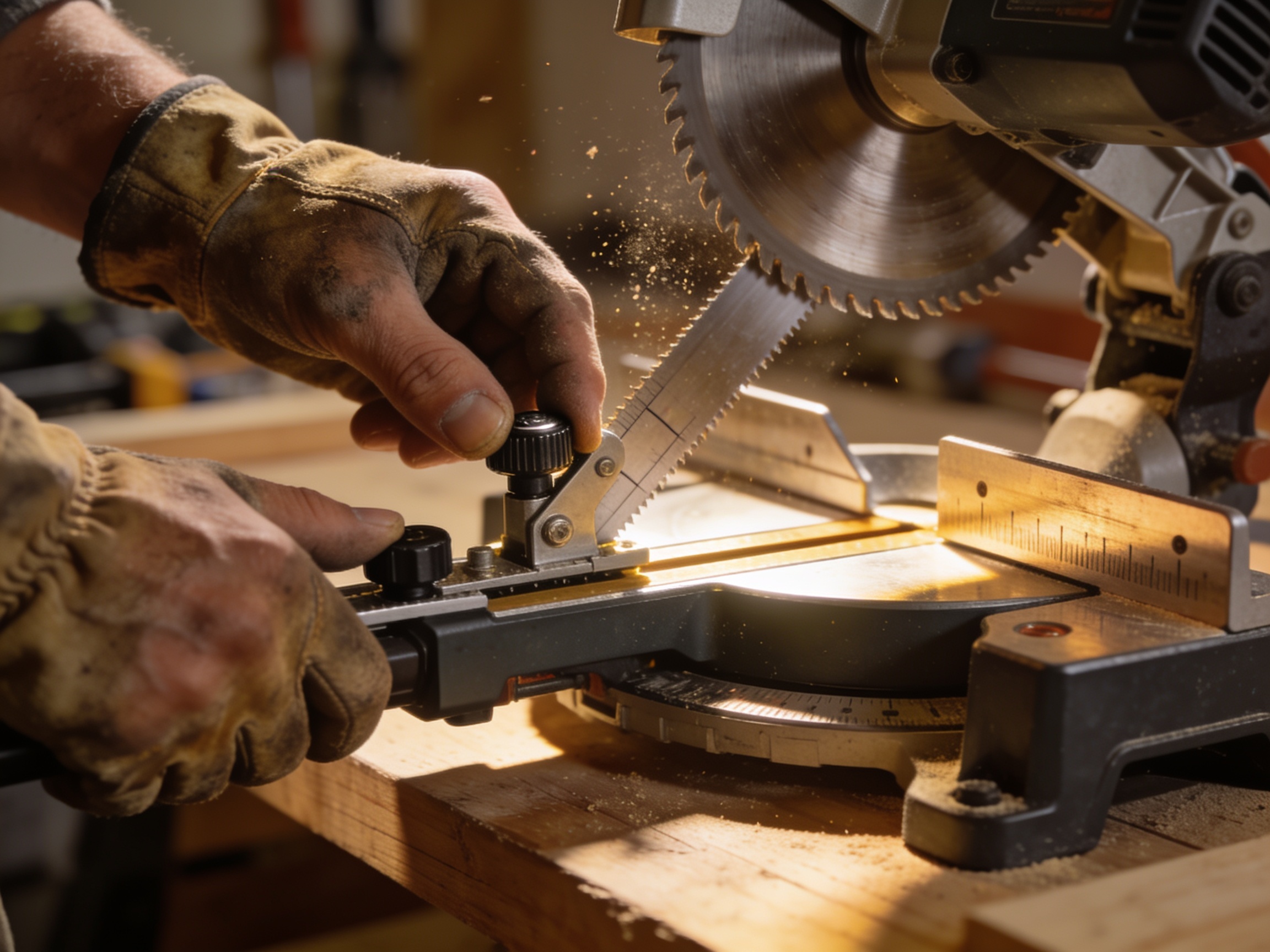
Bevel adjustment is another point to check. Some saws bevel in one direction only, while others offer dual bevel capability. A single bevel saw can still handle plenty of work, but dual bevel makes life easier when you’re cutting complex mitres or working through repetitive angled cuts without flipping the material. It usually costs more, so it makes the most sense for users doing regular finish carpentry or installation work.
Laser lines and LED shadow lines can help, but they should be seen as aids, not the reason to buy. A well-built saw with clear sightlines and reliable adjustment is the priority.
Dust extraction, space and setup
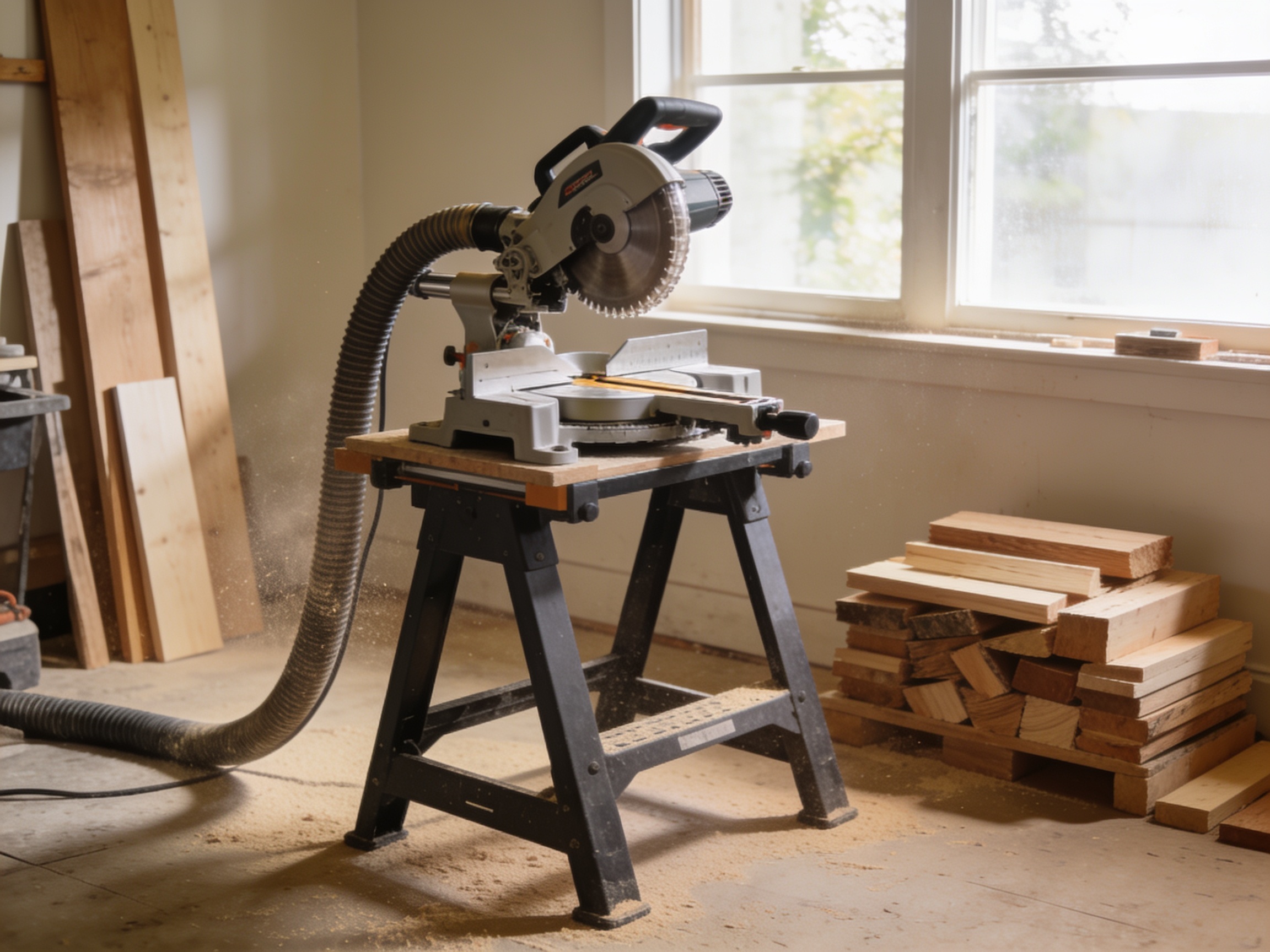
Mitre saws make a mess. If you’re working indoors, in a customer’s property or in a home workshop, dust collection deserves more attention than it often gets.
Most models offer a dust bag or extraction port, but real-world performance varies. If cleanliness matters, think about how the saw will connect to extraction and whether your setup supports that. It will not remove every speck, but better extraction means less cleanup and a better working environment.
You should also consider how much room the saw needs in use. Some sliding models need substantial rear clearance, while others are designed to work more tightly against a wall. Bench space, stand compatibility and transport size can all affect whether the saw feels practical day to day.
A machine that looks ideal on paper can become frustrating if it overwhelms your workshop or is awkward to move.
Build quality and brand reliability
If the saw is going to earn its keep, build quality matters. Smooth slide action, solid detents, reliable locking controls and a sturdy table are signs of a machine built for repeat use. Professional users especially should look beyond bare spec sheets and think about long-term durability.
Recognised brands tend to justify their place for a reason. Better support, stronger accessory availability and proven reliability all count when the saw is part of your daily kit. For occasional users, a good mid-range saw may be the sensible buy. For trade users, stepping up to a more durable model usually pays back in consistency and service life.
This is where buying from a specialist mitre saw range helps. A broad range makes it easier to compare professional and DIY-friendly options side by side, rather than guessing from one or two models alone.
Budget without buying twice
Price matters, but value matters more. A cheap saw that struggles to stay accurate, lacks capacity for your typical materials or feels underbuilt can become expensive fast if you replace it early.
At the same time, not every buyer needs a top-tier site saw. If your work is occasional and your cuts are fairly straightforward, spending sensibly on a reliable model with the right capacity is often the better decision.
It helps to divide your thinking into three levels. Entry-level suits occasional DIY and lighter projects. Mid-range is often the best fit for committed DIY users and many trades who want dependable performance without paying for every premium feature. Higher-end saws are built for frequent use, tougher jobsite conditions and greater adjustment precision.
Common mistakes when choosing a mitre saw
The most common mistake is buying too small for the material you actually cut. The second is buying too much saw for the way you really work. Both lead to frustration.
Another mistake is focusing only on motor power. Power matters, but capacity, accuracy and usability matter just as much. A saw that feels awkward to adjust or transport can slow the job down even if the motor is strong.
It is also worth checking blade availability and replacement cost. If you plan to cut different materials or want finer finish cuts, you may need alternative blades, and that should be part of the buying decision.
The best choice is the one you’ll use with confidence
If you want a simple buying rule, choose a mitre saw that matches your normal material size, your workspace and how often you expect to use it. A compact non-slide model suits plenty of trim and home projects. A sliding saw earns its place when width and versatility matter. Corded gives steady workshop performance, while cordless makes sense when mobility improves the job.
The right saw should feel like a dependable part of your setup, not a compromise you work around. Choose for the jobs you actually do, and you’ll tackle each cut with far more confidence.