Trimmer Lines
Compared on price, power and value, with prices checked daily against Amazon UK. Not sure where to start? Our buying advice is further down the page.
-
1.6mm Nylon Strimmer Wire, 100M Round Strimmer Trimmer Cord
Original price was: £7.59.£6.99Current price is: £6.99. -
12 pcs Fuel Hose Pipe, Universal Petrol Strimmer Fuel Pipe Kit 1 m
Original price was: £6.69.£5.99Current price is: £5.99. -

2 Pack Strimmer Spool Line, Strimmer Trimmer Spool Line Replacement For Bosch ART 24 27 30 30-36 LI, Standard Double Autofeed Nylon Spools F016800351 Grass Trimmer for Bosch
£5.99 -
2 Pcs Grass Strimmer String Line, 60m x 1.65mm Strimmer Cord, Nylon Strimmer Line Wire Cord, Heavy Duty Strimmer Wire for Grass Trimmers Electric Garden Strimmer Replacement Line(60m x 2 Pcs)
Original price was: £5.88.£4.99Current price is: £4.99. -
2.4mm Nylon Strimmer Wire, 328 Feet 100M Round Strimmer Trimmer Cord
Original price was: £12.99.£9.99Current price is: £9.99. -
2PCS Strimmer Spool & Line Replacement Compatible with for POWERBASE N0F-GT-300/20-E Grass Trimmer Accessories Spool Line
£5.99 -
2PCS Strimmer Spool Line, Double Autofeed Spool, Strimmer Spool for Flymo, Standard 1.5mm 36ft Lawn Mower Replacement Spool, Replace of FLY021,Compatible with Flymo Power/Mini/Trim Grass Trimmer
£5.99 -
3 PCS Fuel Line Hose Kit, Universal Strimmer Fuel Pipe, Grass Petrol Trimmer Fuel Pipe, Petrol Strimmer Parts for Brush Cutter Trimmer Mower Hedge Trimmer
Original price was: £4.99.£4.59Current price is: £4.59. -
3.0mm Nylon grass Trimmer Line Brush Cutter Wire Heavy Duty Strimmer Core String for Over Grown Grass and Weeds (Twist, 3mmx73m)
£14.99 -
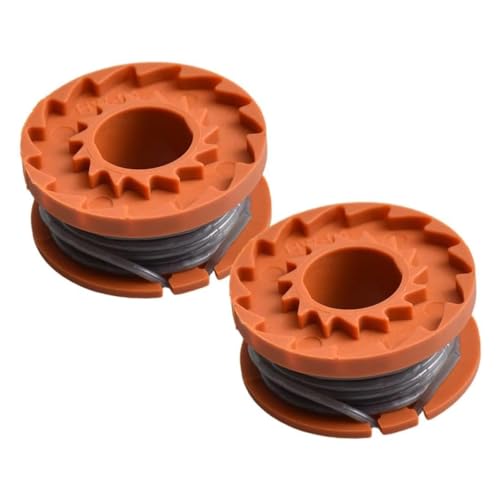
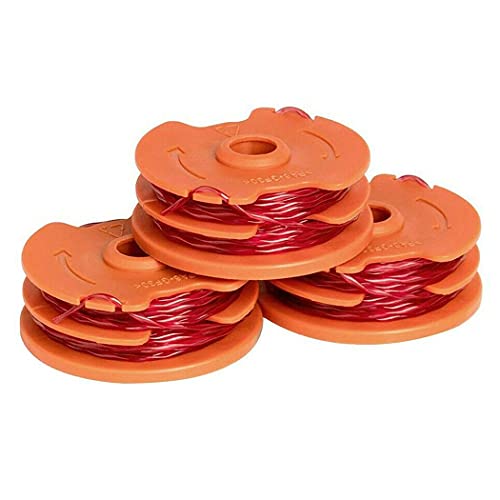
3Pcs Spool Line WX100 For McGregor MET6032 MET4530 MET3525 for Worx WG119E
£9.99 -
3PCS Strimmer Spool for Ryobi One PLUS+ AC80RL3 Cordless Trimmer Spool Line Replacement Parts OEM .080”Twisted 11ft Grass Strimmer Wire Lawn Mower for Ryobi 18v 24v 40v Double Autofeed (Neon Yellow)
Original price was: £7.99.£7.49Current price is: £7.49. -
4 Pack Φ0.065" A6481 Strimmer Spool Line,Compatible with Black & Decker
£9.49 -
4 Pieces Strimmer Wire Replacement Spool and Line Compatible with Bosch ART 23 SL ART 26 SL, EasyGrassCut 18, 23, 26, 18-230,18-260, Grass Trimmer F016800569 F016800385
£6.99 -
4 Sizes Strimmer Fuel Line, for String Trimmer Chainsaw Blower Lawn Mower and Other Outdoor Power Tools, Hose Clamps for Small Engines
£4.99 -
4 Sizes Strimmer Fuel Pipe,Universal Strimmer PartsFuel Line Hose Tube for Poulan Craftman Outdoor Chainsaws, Lawn Mowers, Snow Blowers, Water Pumps and Small Engines-Yellow
£5.99 -
6 Strimmer Spool+2 AC14HCA Caps,Compatible with Ryobi 18V 24V 40V Strimmer
£11.99 -
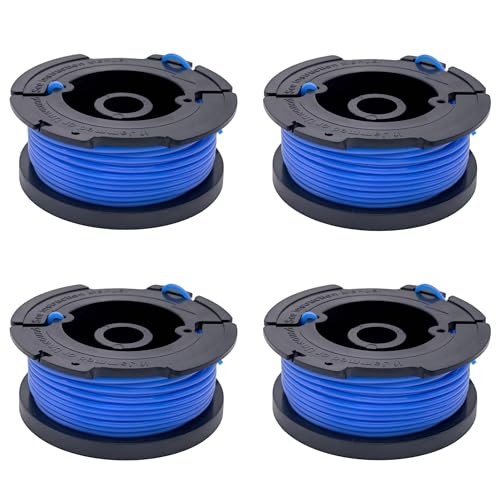
ALM ALMSL002 Trimmer Line 1.5Mm X 30M, Blue
£7.66 -
Alm Medium Duty Electric Trimmer Line 1.5mm 15m SL215,Blue
£5.47 -
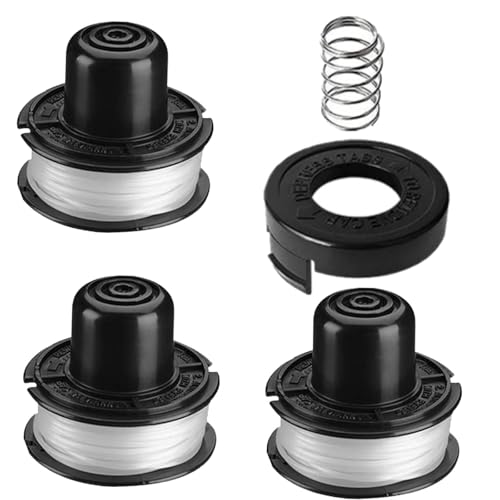
BaolijinMM 3 PCS Strimmer Spool for Black & Decker GL250 GL310 GL360 Grass Strimmer, A6226 Trimmer Spool and Line (3 Spool +1 Spring+1 Cap)
£9.59 -
Black and Decker 2mm AFS Spool Line for String Trimmers
£9.32








Strimmer line buying guide
The right strimmer line makes a bigger difference than most people expect. Fit the wrong thickness or shape and it will snap constantly, wear out in minutes or leave a ragged cut. This strimmer line buying guide covers the key things to check so you get the right trimmer line for your machine and your grass.
Strimmer wire, trimmer line and strimmer cord all mean the same thing: a length of tough nylon that spins at high speed to cut grass and weeds.
Start with your machine
Always check the manual or the label on the head first. Every strimmer is designed for a set range of line thickness, and going thicker than the maker allows will strain the motor and can stop the auto feed working.
As a rough guide:
Small corded and 18V battery trimmers: 1.2 to 1.6 mm.
Larger battery and corded models: 1.6 to 2.0 mm.
Petrol trimmers: 2.0 to 2.4 mm.
Brush cutter line for heavy-duty clearance: 2.4 to 3.3 mm.
Line thickness explained
Thicker line lasts longer and copes better with tough weeds, but it needs more power to spin. A 2.4 mm line on a small trimmer will slow it down and drain the pack faster. Thin line is easy on the motor and fine for regular edging on a tidy lawn.
What is the difference between 2 mm and 2.4 mm line?
The 2.4 mm line is noticeably thicker and more durable, so it suits petrol trimmers and brush cutter work in long grass. A 2 mm line is the better match for most mid size battery and corded machines.
Shapes and what they do
Line comes in a few shaped profiles, and each has its own pros and cons.
Round line
Pros: strong, durable and the least likely to snap against walls and fences. Easy to wind.
Cons: tears grass rather than slicing it, so the finish is a little rougher.
Square and star line
Pros: sharp edges give a cleaner cut through thick grass and weeds.
Cons: wears faster on hard edges and can be harder to feed.
Twist and low noise line
Pros: twist line cuts the air more smoothly, so it runs quieter and with less drag. Many low noise lines use a twist or serrated design.
Cons: usually costs more per metre than plain round line.
Material and build
Standard line is nylon. Better quality lines use a co-polymer blend, and heavy-duty versions add a reinforced core for extra strength. Colour, such as orange, red or blue, is mostly about visibility and brand, though some makers colour code by thickness.
Length and buying in bulk
Line is sold in short packs of around 15 metres up to large reels of several hundred metres. If you strim regularly, a bigger reel cuts the cost per metre. Pre wound replacement heads are quicker to fit but cost more over a season. Check the product listing for exact length and thickness before you buy.
Brands you will see
Oregon and Stihl are well regarded for durable, consistent line, while machine brands such as Bosch, Black+Decker and Ryobi sell their own. A universal line in the right thickness will work in most bump feed heads, but a brand matched cassette is the easy option for auto feed machines.
Looking for a new machine as well? See our guide to strimmers for small garden jobs, or browse the wider lawn and garden section.
Getting the most from your strimmer wire
Wind new strimmer wire tightly and evenly, keeping the two ends apart so they do not cross. Store spare nylon line out of direct sun, as it dries out and turns brittle over time.
When trimming, let the tip of the strimmer line do the work. Pushing the head into the ground or against walls wears the wire away in seconds. For regular trimming along fences, a square or twist line in the right thickness gives a cleaner finish through weeds.
Prices on the products above are checked against the latest Amazon UK listings, so it is easy to compare cost per metre across round, square and twist strimmer line.
Trimmer lines frequently asked questions
Does it matter what size trimmer line you use? Yes. Too thin and it snaps constantly; too thick and the machine loses speed and the feed can jam. Stick to the range in the manual.
Why does my strimmer wire keep snapping? Common causes are old, dried out line, cutting too close to walls, the wrong thickness or line wound unevenly. Soaking nylon line in water overnight before winding helps restore some flexibility.
What size trimmer line do I need for my Stihl trimmer? Check the head and manual, but most Stihl petrol trimmers take 2.0 to 2.4 mm, and smaller battery models take thinner line.
Which strimmer should I buy? That depends on your lawn size and power source rather than the line. See our strimmers page for help choosing between corded, battery and petrol models and their key features.
Is a square trimmer line better than a round? Square line gives a cleaner cut in thick grass; round line is more durable around hard edges. For mixed jobs, round or twist line is the safest choice.