Oil & Fuel Cans
Compared on price, power and value, with prices checked daily against Amazon UK. Not sure where to start? Our buying advice is further down the page.
-

10 Litre Metal Store Container For Gasoline Petrol Diesel, Oil Storage Can with Spout Fuel
£13.99 -
10L Fuel Oil Storage Can Metal Petrol Diesel Tank with Spout,Jerry Can Fuel Can Metal Petrol Can Water Container Cans Large Liquid Storage Canister For Diesel,Petrol,Oil & Water Container, Army Green
Original price was: £15.99.£14.99Current price is: £14.99. -
10L Litre Jerry Can Petrol Diesel Oil Fuel Water Storage Container Can & Spout (2)
£20.99 -
10L Plastic Fuel Jerry Can with Flexible Pouring Spout | HDPE Petrol & Diesel Fuel Container | Leak-Proof Black Jerry Can for Car, Motorcycle, Generator & Garden Equipment
£17.49 -
1L 2-Stroke Fuel Mixing Bottle, White
£10.80 -
2 x 10L JERRY CAN – UN Approved Stackable Bottle Container + 51mm Tamper Evident Cap | Perfect for Storage of Fuel Oil Petrol Water Liquids BLUE
£13.99 -
250ml Oil Can with Hand Pump High Pressure Trigger Control, Flexible Spout Lubrication Oiler
£6.49 -
5 Litre Jerry Fuel Can with Handles, Metal Gas Diesel Gasoline Petrol Oil Portable Travel Container with Extension Spout For Cars Trucks Motorcycle
£7.99 -
5L/10L/15L/20L Fuel Gasoline Petrol Diesel Gas Cans Tank Container Backup, 201 Stainless Steel Jerry Can for Motorcycle Automobiles Lawn Mower Boating Camping,5L
Original price was: £21.30.£20.50Current price is: £20.50. -
AB Tools 20 Litres Metal Fuel Jerry Can Holder Storage for Petrol Diesel Oil Liquids Container
£27.95 -
Arivend 3 Litres Fuel Tank Plastic Spare Petrol Tanks Cans Gasoline Oil Container Fuel- For Motorcycle Atv
£35.90 -
Aspen 2T Alkylate Fuel, Premixed 50:1 Synthetic Oil, 5 Litre Container
£38.50 -
BARGAIN4ALL Plastic Fuel Diesel Petrol Jerry Can – with Pouring Spout – Liquid Compatibility – Easy to Carry Anywhere – Oil Water Container Can (Green (5 Litres))
£12.99 -
Bonnlo 20 Litres Fuel Oil Storage Can Petrol Diesel Tank with Spout
£24.99 -
Bonnlo 20L Metal Petrol Can Fuel Oil Storage Can Diesel Tank with Spout
Original price was: £28.99.£27.99Current price is: £27.99. -
Bonnlo 20L Metal Petrol Can Fuel Oil Storage Diesel Tank
£21.99 -
Bonnlo 20L Petrol Can Fuel Oil Storage Can Metal Jerry Diesel Tank
£25.99 -
Bonnlo 2Pcs 20L Jerry Can Fuel Oil Storage Can Metal Petrol Diesel Tank
£42.99 -
CarPlan Tetro Plas Oil Drain Can 9L
£12.99 -
CarPlan TPH005 5L Fuel Can, Unleaded Petrol (Green)
Original price was: £9.99.£6.00Current price is: £6.00.








Choosing the right fuel cans and oil cans
A good container keeps your mower, chainsaw or generator topped up without spills, smells or safety worries. The products above cover jerry cans, plastic cans, oil drain pans, pump oilers and premixed two-stroke. This guide explains the main type of can for each job, what the UK rules say about flammable liquids at home and what to look for before you buy.
Steel or plastic?
Steel jerry cans are tough, puncture resistant and do not soften or swell over time. The classic 20 litres military pattern has three handles, a locking cap and an air channel for smooth pouring. They are heavier and pricier, and steel can rust inside if left empty and damp. Many people keep one of these metal cans in the garage as an emergency spare, or keep a small stock for running a generator in a winter emergency.
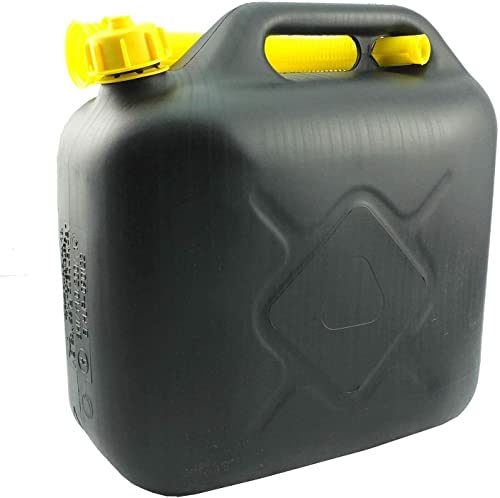
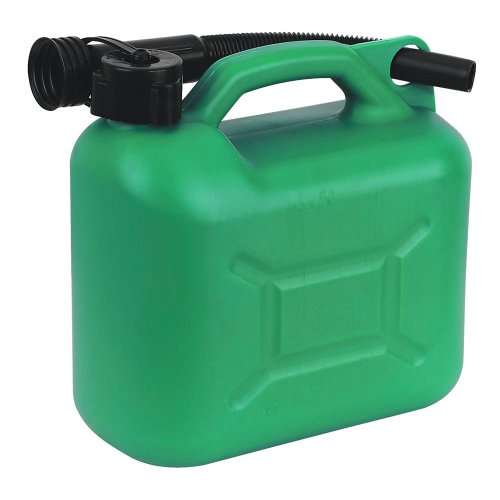
Plastic cans are usually made from HDPE plastic, which is light, cheap and will not rust. Good HDPE containers are thick-walled and anti-static, and many include a built-in spout. They suit garden machinery and occasional use. Check the date stamp moulded into the base and note the date you bought it, as HDPE plastic does age and should be replaced if it becomes brittle or discoloured.
What to check before you buy
UN approval: A UN mark shows the design has been tested for carrying dangerous goods. It is the best sign of a well-made product, and the product listing should show it clearly.
Size: 5 litres suits a mower or chainsaw, a 10-litre HDPE can covers most home needs, and 20 litres is for vehicles, generators and site work.
Spout: A flexible or extension spout with a vent makes pouring into small tanks much easier and reduces spills.
Colour: There is no single legal colour code in the UK, but red cans are common for unleaded and black or yellow for diesel. Keep to one liquid per can and label it clearly.
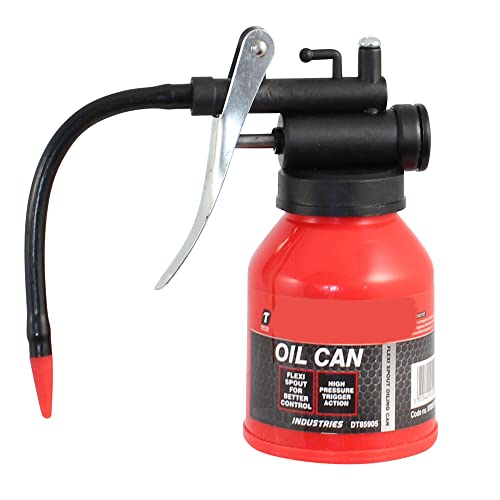
Oil cans: For lubrication, a pump oiler with a flexible spout puts oil exactly where you need it, while a drain can makes oil changes far tidier.
Storing flammable liquids safely at home
Unleaded is highly flammable and the vapour is dangerous, so it pays to store it correctly. Under UK regulations, you can legally store up to 30 litres at home without telling anyone, as long as it is in suitable fuel containers: plastic up to a maximum of 10 litres each and steel up to a maximum of 20 litres each. The 30 litres total is the maximum across everything you keep, so three plastic cans of 10 litres each is the limit for HDPE. To store more, up to 275 litres, you need to notify your local Petroleum Enforcement Authority. Store containers in a cool, ventilated outbuilding or garage, away from the house, flames and sparks, and never in a flat, under the stairs or anywhere else people live. Always fill containers on the ground, not in a boot, so static can discharge safely. Vapour is dangerous in an enclosed space, so never leave fuel cans in the house. The HSE publishes guidance on storing it at home if you need the full detail.
For more on looking after the machines these cans feed, see our garden machinery maintenance guide, or browse related kit in chainsaw accessories and the full Lawn & Garden range.
Fuel cans FAQs
Can you put diesel in a petrol jerry can? You can, but label it clearly and never swap back and forth. Using the right colour helps everyone avoid a costly mistake.
How much can I carry in a vehicle? For private use, keep to approved containers and sensible quantities, secure them upright, and do not leave them in a parked vehicle longer than needed. Heat builds pressure quickly, and it is a good idea to legally store anything you are not using in the garage instead.
Do I need a UN-approved petrol can? For home use the law asks for a suitable, well-sealed container of the right size and material. UN approval is the simplest way to know a can meets that standard, and it is essential for carrying in a vehicle for work.
How long does stored unleaded last? Around three to six months in a sealed can. For machines that sit for long periods, premixed alkylate two-stroke keeps for a much longer time and runs cleaner.