Pocket Tools
Compared on price, power and value, with prices checked daily against Amazon UK. Not sure where to start? Our buying advice is further down the page.
-

(PWK) Set Of 14 Pocket Watch Keys Size 00-12 : Tools Winder Vintage Winder Key (40)
£6.70 -
5 in 1 Multi-Tool Camping Accessories Cutter, Mini Folding Tool with Replaceable Blades and Carabiner,Tactical Camping Survival Equipment, Multitool Pocket Gifts for Men Dad Husband
Original price was: £9.99.£8.99Current price is: £8.99. -
Aiyorse 2 Pcs Nylon Pocket Knife Sheath, 6.0" Folding Knife Pouch for Belt Portable Knives Pouch with Snap Closure and Belt for Carrying Folding Knives (Black)
Original price was: £6.18.£5.98Current price is: £5.98. -
Amazon Basics 15-in-1 Multitool Pocket Knife with Sheath, Black
£12.34 -
Amazon Basics Stainless Steel 8-in-1 Multitool Knife, Pocket Multi Tool for Camping with Safety Lock & Nylon Sheath, 10.4 x 4.5 x 2.03 cm, Red
£8.99 -
AWP L-804-1 Organizer Tool Pouch | 7 Pockets & Loops for Tool Organization | Heavy-Duty Metal Belt Clip Attachment, Black and Gray
Original price was: £17.53.£15.81Current price is: £15.81. -
Bahco Multi Bike Pocket Tool, Compact Multi‑Function Repair Tool with Essential Bits and Fold‑Out Design for On‑The‑Go Adjustments and General Bike Maintenance
£9.95 -
Bansusu 3Pcs ECG 7 Step Ruler, Transparent EKG Pocket Card Measuring Tool
£4.39 -
Bascuda Stainless Steel 46-in-1 Card Size Gadget Wallet Multitool
£6.99 -
BEEK Mini Multi Tool, Small Pocket Box Opener, Utility Multitool Cutter, EDC Gadgets for Outdoor Camping, DIY, Gift for Men
Original price was: £9.99.£5.99Current price is: £5.99. -
BEEK Stocking Stuffers Gadgets, Christmas Stocking Fillers for Men, Small Multi Tool, Gifts for Men, Mens Gifts for Birthday, Keychain Multitool, Gift for Him, Dad, Husband, Boyfriends
Original price was: £8.99.£5.99Current price is: £5.99. -
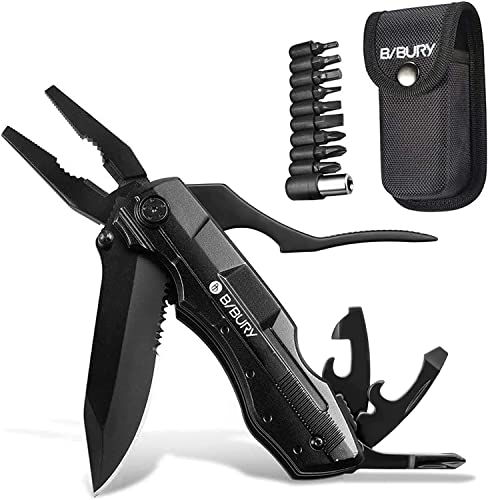
BIBURY 5 in 1 Multitools,Foldable Pliers Stainless Steel Camping Multi Tool
Original price was: £17.99.£15.99Current price is: £15.99. -
BIBURY EDC Multitool, 10 in 1 Pocket Size EDC Key Ring Multi Tool
£9.99 -
BIBURY Multi Tool, 21 in 1 Multitools Pliers, Screwdriver for Camping EDC
£22.99 -
Camping Accessories 17In1 Multi Tool Gifts for Men Birthday Gifts, Cool Pocket Gadgets
£12.05 -
Camping Essentials Multi Tool Gifts for Men 16in1 Multitool Survival Gear
Original price was: £19.98.£17.98Current price is: £17.98. -
Carabiner Clip Keyring Stainless Steel Key Ring Portable Pocket Tool Keychain Mini Bottle Opener Keyring Multitool for Men and Women
£8.92 -
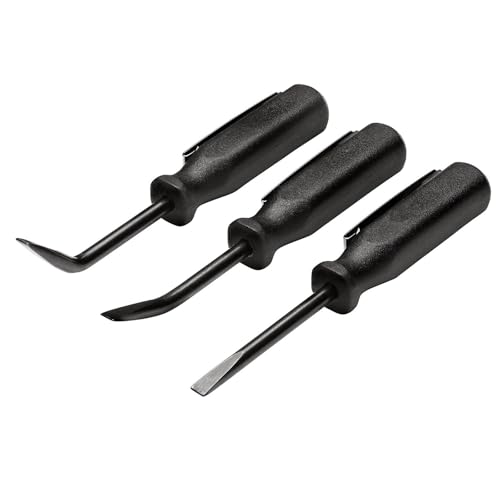
Draper 29729 3pc Mini Pocket Pry Bar Set, 125mm, Black – Straight, 27° and 55° – CRV Blades, Plastic Handle with Pocket Clip
Original price was: £19.61.£18.51Current price is: £18.51. -
Faithfull Suede Leather Chisel Roll, 8 Pocket – Tan
£12.55 -
Folding Multitool Cutter, Multi-Tool Camping Multitool Accessories,Gift for Birthday/Father’s Day/Valentines, Pocket Gadgets for Men Outdoor, Camping, Hiking
£6.95






Choosing the right pocket tools for work and everyday carry
A good everyday carry tool earns its place by being there when you need it. Whether that is trimming a cable tie on site, tightening a loose screw on a door hinge or opening a box in the van, the right little companion saves you a trip back to the main kit. This range covers everything from full-size folding multi-tools to credit card gadgets and key ring drivers, so it helps to know what each type does well before you look at price.
Types of compact tools
Plier-based multi-tools: the classic layout from brands like Leatherman and Gerber. Needle-nose pliers with wire cutters, plus a blade, flat and cross head screwdrivers, a saw and a bottle opener folded into the handles.
Swiss army style knives: lighter and slimmer, with a main blade, scissors, a can opener and sometimes tweezers. Great for light tasks rather than heavy gripping.
Card and key ring tools: flat stainless sheets with hex spanner cut-outs, a ruler and an opener. They fit in a wallet but are best for quick, light jobs.
Bit drivers and mini sets: a short ratchet or driver with a handful of bits. These perform far better than a folding screwdriver if you drive screws regularly.
What to check before you buy
Look at the tools you will actually use rather than the headline count. A 20-in-1 sounds impressive, but if half the functions are a fish scaler and a hook remover you may never open them. Check that the blades lock, that the pliers close square at the tips and that the handles give a decent grip when your hands are cold or wet. Weight matters too, since anything over about 250g starts to drag on a trouser pocket and is better carried in a belt pouch or tool bag.
Finish is mostly personal choice. Plain silver stainless steel hides scratches well, while black, red, blue or orange coatings make a tool easier to spot if you drop it in long grass. A carabiner clip or lanyard loop is worth having if you work at height or want to clip the tool to a bag strap.
Brands and build quality
Leatherman, Gerber and Victorinox have the longest track records and good warranty support, and their spares and accessories are easy to find. Trade brands such as Wera, Klein and Draper make more specialised options, like compact bit sets and pry bars, that suit electricians and fitters. Budget unbranded products can be fine for the glovebox, but expect softer steel and looser joints, so the cost per year of use often works out higher.
Carrying a blade legally in the UK
UK law lets you carry a folding knife with a non-locking blade under 3 inches (7.62cm) without needing a reason. Locking blades, or anything longer, need a good reason such as using it for work. Many multi-tools have locking blades, so if you only need one for site tasks, leave it in the van or kit bag outside working time. The GOV.UK guidance on carrying knives sets out the rules clearly.
Care and safety
A drop of light oil on the pivots every few months keeps everything opening smoothly. Wipe off sawdust and moisture after use, especially from the pliers’ joint. Keep the main blade sharp, as a dull edge needs more force and is more likely to slip. If you need a dedicated driver or cutting tool for daily use, a proper screwdriver or set of snips will always be more effective than a folding version.
Pocket tools FAQs
What is the most useful everyday carry tool for a tradesperson?For most trades, a plier-based multi-tool with a locking blade, screwdrivers and wire cutters covers the widest range of quick jobs. Electricians often add a separate voltage tester and bit driver.
Are card-size multi-tools worth it?They are handy as a backup in a wallet or glovebox, but the small hex sizes and thin edges mean they are no substitute for proper tools on real work.
How much should I spend?A reliable branded tool usually costs more up front but lasts years and comes with a warranty. Our hand tools buying guide and the wider hand tools section help you build out the rest of your kit at the same time.