Cordless Planers
Compared on price, power and value, with prices checked daily against Amazon UK. Not sure where to start? Our buying advice is further down the page.
-

Bosch 12V Max Planer (Bare Tool) GHO12V-08N
£187.82 -
Bosch PRO Cordless Planer Planers
Original price was: £179.99.£169.99Current price is: £169.99. -
Bosch Professional 18V System Cordless Planer GHO 18V-26 (brushless Motor, incl. Dust Bag, Parallel Guide, 1x Wood Razor Blade, L-BOXX)
Original price was: £258.69.£197.99Current price is: £197.99. -

Cordless Handheld Planer for Dewalt 20V Battery, 15000RPM Brushless Electric Wood Planer 82MM Cut Width 0-2MM Cut Depth for Woodworking DIY Projects Furniture Smoothing
£79.99 -
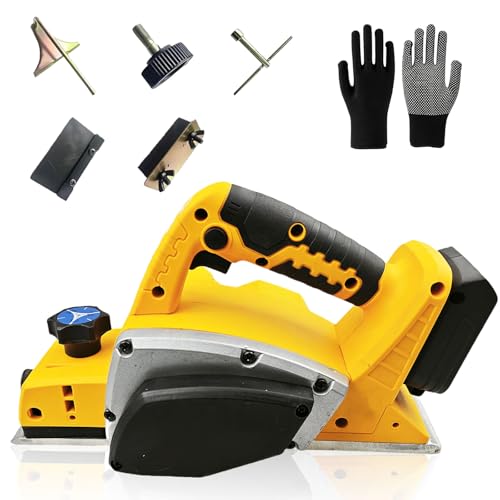
Cordless Handheld Planer for Dewalt 20V Battery,15000 RPM Electric Planer
£46.99 -

Cordless Planer Compatible with Makita 18V Battery
£63.99 -
Cordless Planer Compatible with Makita 18V Battery, 15000RPM Brushless Electric Wood Planer with 82mm Width, 0-2MM Adjustable Depth for Woodworking Furniture DIY (no Battery)
Original price was: £62.99.£59.99Current price is: £59.99. -

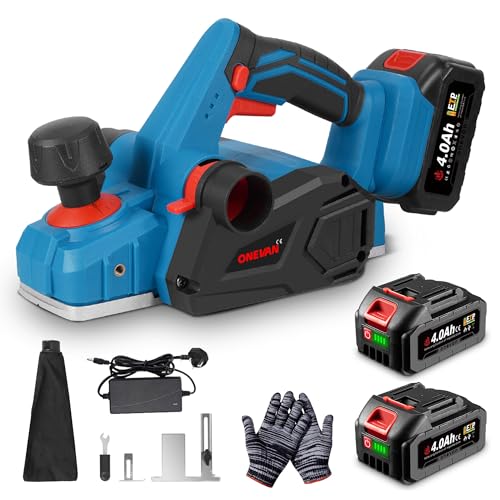
Cordless Planer Electric Planer Wood – Aluminium Alloy Cutter Brushless Electric Planer, with 82 mm Width 2 mm Depth, 2 * 4.0Ah Batteries, Hand Planer for Woodworking, Furniture DIY
£79.89 -
Cordless Planer Wood for 20V Battery, Electric Wood Planer 82mm Width, 0-2mm Depth Adjustment, Hand Planer for Woodworking, Furniture and DIY Projects (Battery Not Included)
Original price was: £44.98.£37.60Current price is: £37.60. -
DEWALT AIRLOCK Dust Bag for DCP580 Planer with Bayonet Fit, DWV9390-XJ
Original price was: £18.50.£16.09Current price is: £16.09. -
Dewalt DCP580N 18V XR Brushless 82mm Planer with 1 x 4.0Ah DCB182 Battery
£175.00 -
Dewalt DCP580N 18V XR Brushless Planer (Body Only) with DS300 Toughsystem Case
£167.45 -
DEWALT DCP580N-XJ Cordless Planer XR Brushless, 18V Li-ion
£117.95 -
Ecarke Cordless Planer 750W for Ma Kita 18V Battery, Brushless Electric Wood Planer – 15000RPM, 82mm Width, 0-2mm Depth Adjustment – Ideal for Woodworking, Furniture and DIY Projects – NO Battery
£65.99 -
Einhell Cordless Planer 82mm 18V PXC Without Battery
Original price was: £91.99.£69.99Current price is: £69.99. -
Einhell Professional Cordless Planer 82mm 18V PXC Without Battery
£129.97 -
Electric Cordless Planer Wood Batteries Tools – with 82 mm Planing Width 2 mm Chip Depth, Electric Hand Planer for Furniture DIY (C-Blue)
£89.89 -
Electric Planer 18V – Portable planers for Wood 82mm Width & 2mm Cutting Depth, 15000RPM – Compact Power Planer for DIY & Furniture Projects – Green
£38.99 -
KATSU FIT-BAT 21V Brushless Cordless Planer 82mm Electric Handheld Planer for Wood, 2mm Chip Depth, Aluminium Soleplate with 3 V-Groove Planing Tool, Extra Blades, No Battery or Charger
Original price was: £69.99.£55.99Current price is: £55.99. -
KATSU FIT-BAT Cordless Planer 21V/18V with 4.0Ah Battery and Charger, Electric Hand Planer with 82mm Width and 2mm Depth, 15000rpm, Extra Set of Blades Included 102785
Original price was: £97.99.£82.99Current price is: £82.99.




Choosing the right cordless planer
A power planer takes timber down quickly and evenly, which makes it one of the most useful machines for carpenters, joiners and door fitters. Hanging a sticking door, trimming a worktop edge, levelling joists or chamfering a fence post are all jobs a planer handles in minutes rather than the half hour a hand plane might take.
Going cordless means you can plane a door in place, work up a ladder on a fascia, or take the machine out to the garden without a lead. Modern cordless planers have plenty of power for most site tasks, and the top models now match corded planers on finish quality.
This range includes trade models from Makita, DeWalt and Bosch Professional, plus Einhell, a compact 12V option and a number of budget planers that run on the big brand platforms.
Planing width and cut
Most cordless planers use an 82mm drum, which is the standard width for doors, frames and general joinery. An 82mm planer will take a standard door edge in a single pass and suits nearly every job a site carpenter faces.
Maximum cut per pass is usually somewhere between 1mm and 3mm. A deeper cut removes timber faster on rough work, while shallow passes give a cleaner finish. In practice, most people make several light passes and finish with a fine one, because that gives the best surface and puts less strain on the motor.
Look for a clear, positive adjustment knob with click stops. It makes it much easier to repeat the same setting from one door to the next.
Key features to compare
Brushless motor. A brushless planer keeps its speed under load, which helps the finish, and gets more planing from each charge. Our brushless vs brushed guide explains why it matters.
Rebate capacity. Many models can cut a rebate along the edge of a board using a side fence and a depth stop. Check the maximum rebate if you plan to do this regularly.
Chamfer groove. A V-groove in the front sole lets you run a neat chamfer along the arris of a door or post without marking it out.
Parking shoe. A small spring-loaded foot lifts the blades clear when you put the planer down, protecting both the blade and the bench.
Dust collection. Planers produce a lot of shavings. Choose a model that can eject left or right and accepts a bag or extractor hose. Good dust collection keeps the work area and the door you are fitting much cleaner.
Blades. Most use reversible, double-edged carbide or HSS blades. They are quick to swap, and spare sets are widely available for the main brands.
Body only or kit
A large part of this range is sold as a body only, which keeps the price down if you already own batteries for the same system. Makita 18V LXT and DeWalt XR brushless models are the most common on UK sites, with Bosch Professional, Milwaukee, Metabo and Ryobi also making well regarded planers.
If you are starting out, a kit with a charger and a high capacity pack is usually better value than buying the parts separately. Planers draw a lot of power, so a 4Ah or 5Ah pack is a sensible minimum for door hanging.
Budget models built to run on another brand’s batteries can be a cheap way to add a planer to your kit, but check the listing carefully for compatibility and blade availability.
Using a planer safely
Keep both hands on the machine, let the blades reach full speed before contact, and always wait for the drum to stop before putting it down. Support the work properly and check for nails or screws first, as they will chip the blades instantly. Wear eye and hearing protection, and use extraction where possible.
Cordless planers FAQs
What materials can a cordless planer handle? Softwood, hardwood, plywood edges and MDF. Avoid painted timber with hidden fixings, and take light passes on hardwoods such as oak.
Can cordless planers handle heavy-duty planing tasks? The trade models cope well with doors, joists and decking. For removing large amounts of timber all day, a corded planer or a thicknesser may still be the better tool.
Can they be used for both rough and finish planing? Yes. Use a deeper setting to remove material quickly, then a fine pass to finish. Follow up with a sander for a paint-ready surface; see our orbital sander guide.
For more woodworking machines, read our professional woodworking power tools guide or browse the full cordless power tools range.