Paddle Mixers
Compared on price, power and value, with prices checked daily against Amazon UK. Not sure where to start? Our buying advice is further down the page.
-

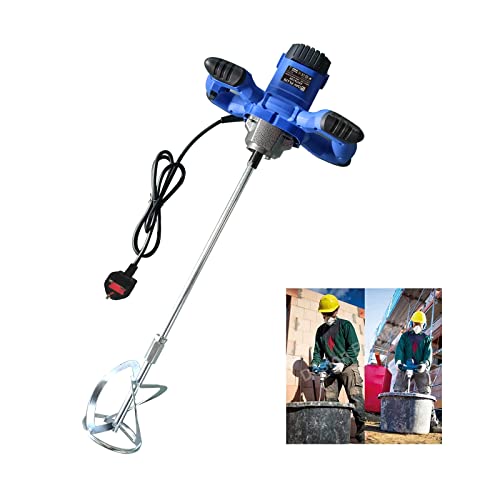
2100W Handheld Portable Paddle Mixer Adjustable 6 Speed Stirrer Electric Pro Industrial Drill Mix Stirring Tool for Mortar Grouts Paint Cement Plaster Plastering, Industrial Drill Mix(Light Blue)
£18.27 -
2600W Concrete Mixer Machine Paddle Mixer,240V Electric Power Plaster Mixer,6 Speed Adjustable Paint Mixer,M14 Threaded Rod,2M Power Cable,Orange
£20.60 -
2600W Electric Mortar Mixer Paddle Cement Plaster Paint Stirrer 6 Speed, Soft Start, for Paint, Plaster, Cement, Concrete and Mortar
£21.62 -
2600W Electric Plaster Paddle Mixer Drill Mortar Cement Stirrer 6 Gear Adjustable
£29.95 -
2600W Handheld Portable Paddle Mixer Adjustable 6 Speed Stirrer Electric Mix Stirring Tool for Mortar Grouts Paint Cement Plaster Plastering
£29.95 -
2600W Handheld Portable Paddle Mixer, Cement Mortar Mixer with M14 Spiral Rod, Adjustable 6 Speed Paint Mixer, Paddle Drill Mixer Stirring Tool for Mortar Grouts Paint Cement Plaster Plastering
£18.96 -
2600W Portable Electric Concrete Cement Plaster Grout Paint Thinset Mortar Paddle Mixer Pro Drill Mixer Stirring Tool Adjustable 6 Speed Handheld Standard 220V
£29.95 -
2800W Electric Paddle Mixer Drill, Concrete Mixer Machine Paddle Mixer, Electric Power Plaster Mixer, 6 Speed Adjustable Gearing Paint Mixer, M14 Threaded Rod, Lockable Switch for Plaster/Paint/Mortar
£19.95 -
2800W Electric Paddle Mixer, Concrete Mixer Machine Paddle Mixer with 6 Speed Portable Cement Mixer, Electric Power Plaster Mixer with Lockable Switch, 120mm Stirrer for Mixing Mortar, Plaster (Blue)
£21.25 -
3-in-1 Cordless Cement Paddle Mixer, Mortar Trowel & Wall Sander – Compatible with Makita 18V (No Battery), 6-Speed Electric Wall Smoothing Machine for Levelling, Polishing, Finishing
Original price was: £129.99.£89.99Current price is: £89.99. -
Cement Mixer 3000w Electric Paddle Mixer, Mortar Paint Stirrer Whisk, 6 Variable Speeds, Ideal for Mixing Feed, Plaster, Paint, Cement, Mortar Etc
£32.86 -
Cement Mixer, 2600W Electric Plaster Paddle Mixer, Mortar Stirrer, Paint Whisk, Feed Mixing Machine, Handheld Stirring Tool, 6 Variable Speeds, M14 Mixing Rod, with 2 Replaceable Carbon Brushes
£29.95 -
Concrete Mixer Compatible with Makita 18V Battery, 3200W Electric Cement Stirrer with 6 Speed, Max 680 RPM, Portable Paint Mortar Mixer for Mixing Fodder Paint Glue Putty (No Battery)
Original price was: £89.98.£55.98Current price is: £55.98. -
Concrete Mixer Machine, 1600W Cement Mixer Mixing Drill Tool for Concrete Cement Panit Mortar Drywall Mud Grout Thinset, Electric Hand Paint Paddle Mixers, Adjustable 6 Speeds
£62.99 -
Draper 56406 110V Power Mixer (1400W), Blue, Silver
£99.00 -
Einhell Paint and Plaster Mixer 1600W, 133mm Diameter Stirrer
Original price was: £113.95.£99.95Current price is: £99.95. -
Electric Paddle Mixer to Mix Motar, Plaster, Cement, Concrete, Paint, Resin, Adhesives – 2600W, Portable Drill Mixer, M14 Mixing Rod, 120mm Diameter Stirrer, Adjustable 6 Speed
£19.95 -
Hyundai Electric Paddle Mixer, 1600w / 1.6kw Plaster Mixing Tool, 230v/240v, 4m Power Cable, 990rpm Mixing Speed, 5 Piece Trowel Set, Multi-Purpose & 3 Year Warranty
£100.00 -
IMAYCC Portable Concrete Cement Mixer 2100W Electric Paddle Mixer Adjustable 6 Speed Handheld Plaster Grout Paint Thinset Mortar Paddle Mixer Drill Mixer Stirring Tool
£55.79 -
KATSU Tools Electric Paddle Mixer 1000W Portable Cement Mixing Machine
£43.99




Choosing the right paddle mixers for site and DIY work
Mixing by hand with a bucket and a stick works for a small patch repair, but for anything bigger a powered tool saves your wrists and gives far more consistent results. Paddle mixers are the go-to choice for plasterers, tilers and renovators, and the right one makes blending heavy materials quick and easy. Here’s what’s worth knowing before you compare the options above.
Corded or cordless
Mains powered mixers offer the most torque for long sessions and big batches, which is why they’re still the popular choice on construction sites. Look for 110V models if you’re working on a commercial site, or 230V for home use. Cordless mixers are catching up fast and are great for small batches, upstairs rooms and jobs with no handy socket. If you already run an 18V platform, a body only version can be a cost effective extra, though heavy, viscous materials will drain a battery quickly.
Power, speed control and capacity
Wattage: around 1,200W to 1,600W handles most finishing coats and tile adhesives. More powerful motors suit thick, viscous materials and larger buckets.
Variable speed control: this is important. Variable speed control allows you to start slowly so nothing splashes out, then build up for an even, lump free mix. Lower speeds also stop air being whipped into finishing coats.
Mixing capacity: check the maker’s figure against the size of bucket or tub you normally use.
Soft start: reduces the jolt when the tool kicks in, which makes control easier.
Mixing paddles and attachments
The paddles matter as much as the motor. Most mixers use a threaded M14 shaft, so you can swap heads to suit the job. Spiral paddles that push material downwards are designed for heavy, gritty mixes, while paddles that lift upwards suit lighter, runny materials. Twin paddle models are available for the toughest tasks. They turn two heads in opposite directions, cope well with very heavy or special materials and reduce the twisting you feel in your arms. Durable mixing paddles with a hardened finish last longer, and a quick rinse after each mix stops build up that can unbalance the head.
Comfort and design
An ergonomic design with two handles, a lockable trigger and a balanced body makes a real difference over a full day and ensures you stay comfortable on longer mixing tasks. Units equipped with replaceable carbon brushes are also easier to keep running. For more site kit, browse our full power tools range or see our guide to building a cordless tool kit.
Paddle mixers FAQs
Is it necessary to use specific mixing paddles for different materials?It helps. Heavy, coarse materials need a downward pushing spiral, while thin or liquid materials mix better with an upward lifting paddle that avoids splashing and trapped air. Using the right head gives more efficient mixing and better results.
What safety features does a paddle mixer need to prevent accidents or injuries?Look for a soft start, a trigger lock you can release instantly, and two handles for a firm grip. Always wear eye protection, wedge the bucket between your feet, and let the head stop fully before lifting it out.