Circular Saws
Compared on price, power and value, with prices checked daily against Amazon UK. Not sure where to start? Our buying advice is further down the page.
-

BLACK+DECKER CS1250L-GB Circular Saw, 1250 W, 66 mm – Orange, 1 Piece
£65.00 -
Bosch Circular Saw PKS 55 (1200 W, Saw Blade, Parallel Guide, in Carton Packaging)
£87.00 -
Bosch PRO Cordless Circular Saw GKS 12V-26
£108.00 -
Bosch Professional Hand Held Circular Saw GKS 190 (240V, Saw Blade Ø 190 mm, Rated Input Power 1,400 W, incl. 1 x Circular Saw Blade, Parallel Guide, Hex Key)
£147.78 -
Circular Saw 1200W: DEKOPRO High-Power Saw with 185mm 24T Blade, 4800 RPM, Max Cut Depth 65mm (90°), 43mm (45°), Heavy-Duty Steel Base, Includes Guide Rai, Power Saw for Wood, PVC
£39.99 -
DeWALT | DWE560K Compact Circular Saw & Kitbox | 184mm 1350W 240V | DWE560K
£172.84 -
DEWALT 18V XR 165 mm Circular Saw in TSTAK, DCS391NT-XJ
£145.85 -
DEWALT 18V XR Brushless 115mm Compact Circular Saw Tool Only, DCS571N-XJ
£159.98 -
DeWalt 18V XR Lithium-Ion Body Only Metal Cutting Saw
£238.24 -
DEWALT Compact CIRC Saw 240V 184MM
£119.89 -
DeWalt DCS572N XR Brushless Circular Saw 184mm 18V Bare Unit
£211.99 -
DOVAMAN Mini Circular Saw, 710W Circular Saw with Laser, 3500rpm, Metal Auxiliary Handle, Cutting Depth 43mm (90°), 29mm (45°), 6 Blades Ideal for Wood, Soft Metal, Plastic, Tile – MCS01A
Original price was: £72.97.£69.32Current price is: £69.32. -
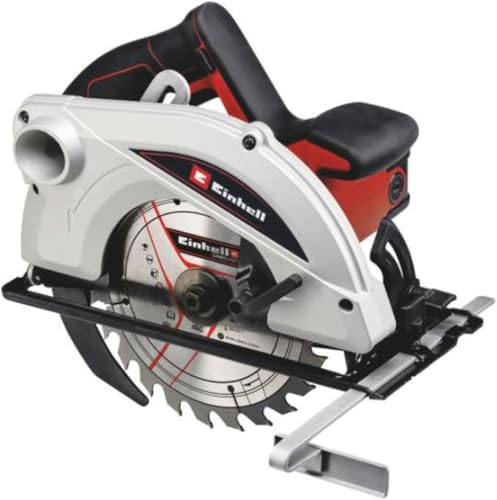
Einhell Circular Saw 190mm 1410W
£71.95 -
Electric 1500W Corded Saw with 7-1/4'' Circular Saw Blade, 3 Blades, Laser Guide, Max Cutting Depth 2.45'' (90°), 1.81'' (45°) for Wood and Log Cutting
Original price was: £67.29.£62.99Current price is: £62.99. -
Electric Circular Saw Heavy Duty Wood Metal DIY Cutting 3000W Blade Power Tools 0 to 45° Bevel Angle, 180mm Saw Blade, Max Cutting Depth 55mm, Ideal for Wood, Plastic, Soft Metal
£27.34 -
Electric Circular Saw, 5000RPM Circular Wood Saw, Power Circular Saw with Pure Copper Motor, 0 to 45° Bevel Angle, 180mm Saw Blade, Max Cutting Depth 55mm, Ideal for Wood, Plastic, Soft Metal
£27.34 -
Electric Circular Saw, PRO Circular Saws, 5000 RPM Bevel Angle (0 to 45°) Joint Cuts with 185mm Saw Blade, Heavy Duty 2000W Blade Power Tools with Max Cutting Depth 55mm for Wood/Plastic/Soft Metal
£17.34 -
Enventor Circular saws with Laser Guide, 1200W 5800RPM 185mm 2 Blades
£49.99 -
Enventor Circular saws with Laser Guide, 1400W 6000RPM 185mm 24T
£53.99 -
Enventor Circular saws with Laser Guide, 1500W 5500RPM 185mm 2 Blades
£65.99




Finding the best circular saws UK trades and DIYers can rely on
A handheld circular saw is one of the most useful machines you can own for sheet goods, decking, stud work and rough carpentry. The products above offer a mix of corded and cordless options, from compact trim models to big 235mm framing machines, so this section explains what actually matters before you buy.
Corded or cordless
Corded models are usually cheaper for the same blade size, never stop for a recharge and suit long days ripping boards on site. In the UK, trade sites often need 110V, so check the voltage before ordering. A cordless model is far handier on a scaffold or in a loft with no socket nearby.
Most cordless options run on 18V batteries, with twin 18V (36V) and 54V FlexVolt machines covering heavier work. 12V units are light and fine for thin ply and trim, but they run out of depth quickly. If you already own batteries from one brand, sticking with that platform will save money, as most are sold body only. Our cordless circular saw guide goes into this in more detail.
Blade size and depth of cut
Blade diameter sets how deep you can go. A 165mm blade gives roughly 55mm at 90 degrees, which covers most 2×2 and 47mm studwork. A 190mm machine gets you to around 65 to 70mm, and 235mm models handle heavy joists and sleepers. For general home use, a 165mm circular saw is the sweet spot for weight and capacity, and blades in that size are easy to find in stock almost anywhere.
Brushless motors and other features
A brushless circular saw runs cooler and gets more cuts per charge, which is why ranges such as Makita LXT cordless circular models and DeWalt XR brushless circular models have moved that way. Brushless motors also deliver steadier speed under load, so the blade bogs down less in wet timber. See brushless vs brushed tools for the trade-offs.
Other features worth checking:
A bevel range to 45 degrees or beyond, with clear, positive stops.
A rigid base plate in aluminium or magnesium rather than pressed steel, ensuring the shoe stays flat.
Guide rail compatibility, which turns a standard machine into something close to a plunge track saw for precision panel work.
Dust port, electric brake and a riving knife.
Brands and value
Makita, DeWalt, Bosch and Festool lead the professional end, with the Bosch GKS line popular as a solid corded workhorse. Budget brands offering high wattage figures at a low price can be fine for occasional jobs, but expect less accurate depth and bevel scales and cheaper blades. Spending a little more on a good blade often makes the biggest difference to finish and efficiency.
Best circular saws UK FAQs
What size do I need for cutting 50mm timber? A 165mm blade will cut 50mm timber in a single pass at 90 degrees. If you want to cut it at a 45 degree bevel, go for 190mm or larger.
Are cordless models powerful enough for professional use? Yes. Brushless 18V and 36V machines now handle most site cutting tasks, though corded units are still the choice for all-day ripping.
Can I cut metal with a wood blade? No. Use a dedicated metal-cutting machine and blade, or a multi-material blade rated for it. Still weighing things up? Compare with our mitre saws or browse the full power tools range.