Dowel Jointers
Compared on price, power and value, with prices checked daily against Amazon UK. Not sure where to start? Our buying advice is further down the page.
-

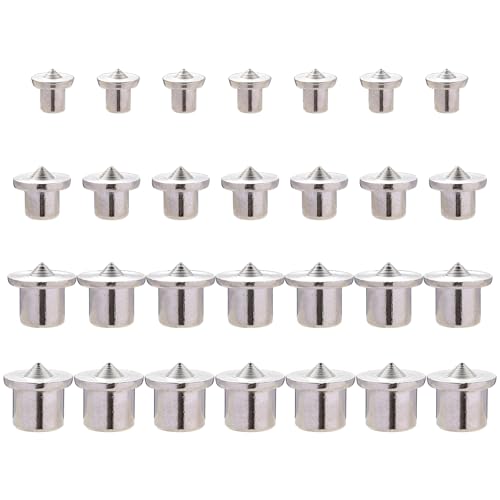
16 Pcs Dowel Pin Center Dowel Centre Point Set, Woodworking Alignment Tool Points Marker Drill Center Stainless Steel for Woodwork Drill Tools, 6/8/10/12mm
£4.96 -
20 Pcs Dowel Pin Center Woodworking Alignment Tool, 6/8/10/12mm Dowel Centre Point Set
£7.59 -
28 Pcs Dowel Pin Center Woodworking Alignment Tool, Wood Dowel Tenon Centers Points Pins Marker Drill Tool for Accurate Drilling – 6/8/10/12mm
£6.99 -
3 in 1 Self Centering Dowel Jig Kit, 6/8/10/15mm Aluminum Alloy Dowel Drill Guide for Woodworking, Precision Doweling Tool with Centering Accuracy
£93.41 -
3-in-1 Pocket Hole Jig Kit,6/8/10/15mm Drilling Template Self-Centeringfor Woodworking Exact Dowel Holes, with Positioning Clip Adjustable Drill Guide Punch Locator Carpentry Tools
£31.99 -
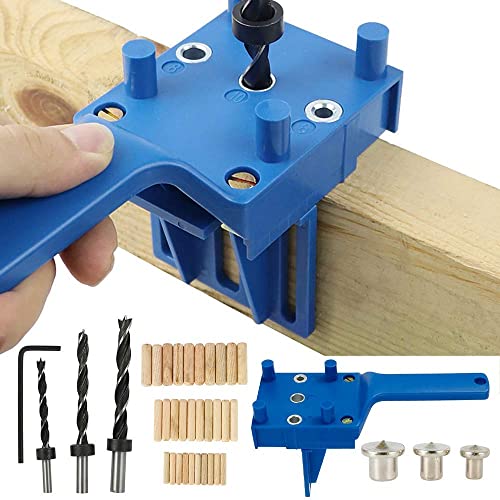
41Pcs Woodworking Doweling Jig Kit 6/8/10 mm Handheld Wood Dowel Drilling Guide, Drill Guide Metal Sleeve Wood Drilling Doweling Hole Saw Tools (41PCS)
£6.49 -
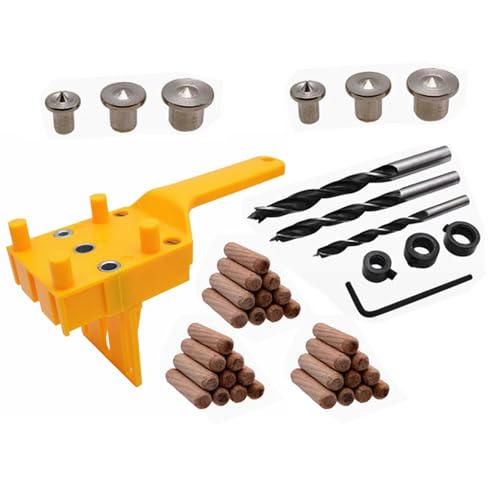
44PCS Handheld Dowel Jig Kit with Drill Guide Block, Professional Woodworking Doweling Jig, Metal Sleeve Wood Drilling for Accurate Wood Dowels, Includes 6/8/10mm Drill bits, 30 Wooden dowels (A)
£9.99 -
DAWRIS 32 Pcs Dowel Pin Set Woodworking Alignment Tool 6/8/10/12mm Centre Point Set Pins Marker Drilling Hole Tool Silver Carbon Steel
Original price was: £6.29.£5.94Current price is: £5.94. -
DIYEAH Pocket-Hole Jig System Plastic for Woodworking Drill Guide Kit Accurate Positioning Woodworking Jigs for Wood Board Connection and Stainless Steel
£12.49 -
Dowel Maker Jig Imperial, 8 Holes Adjustable Dowel Maker Jig Kit with Carbide Blade, Electric Drill Milling Dowel Round Rod Auxiliary Tool for Wooden Rods Sticks Woodworking
£17.04 -
Errum Dowel Jig Kit 41Pcs Wood Dowel Jig Kit, 6/8/10mm Woodworking Drill Guide Set Metal Sleeve Handheld Dowelling Jig Drilling Set Doweling Hole Saw Tools
£8.99 -
GIONAR 44PCS Dowel Jig Kit – Professional Woodworking Doweling Jig with Metal Sleeve, Complete Drill Guide Set Featuring 6/8/10mm Bits & Wooden Dowels for Exact Joinery
£9.69 -
HUALIANG 3-in-1 Pocket Hole Jig Kit,8/10/15 mm Dowel Jig,Dowel Drilling Template with Positioning Clip Adjustable Drilling Guide Puncher Locator,Carpentry Tools for Woodworking Exact Dowel Holes DIY
£18.99 -
KETIPED Adjustable Drill Milling Dowel Round Rod Auxiliary Tool with Carbide Blade, Electric Drill Milling Cylindrical Woodworking Tool Dowel Maker Jig with 8/9/10/12/15/16/18/20mm Holes,035B
£29.54 -
KWB DÜBELPROFI/Dowel JIG, Complete Set with CV Wood Drill BITS and Wooden DOWELS, Universal Drilling AID
£21.94 -
Milescraft 1334 Joint Master – Self-Clamping Aluminum Doweling Jig. Creates Edge, Corner, and Surface Joints. Includes Centering Spacers. for 1/4in, 5/16in, and 3/8in Dowel Pins
Original price was: £40.30.£39.17Current price is: £39.17. -
NIYATA 44 pcs Dowel Jigt, Dowelling Jig, Self Centering Dowelling Jig, Woodworking Drill Guide Set for 6/8/10mm,Durable Doweling Hole Saw Tools for Precision Drilling and Easy Use
Original price was: £11.59.£9.53Current price is: £9.53. -
NUOBESTY Pocket-Hole Jig System Straight Hole Drill Guide, Handheld Drilling Locator for Woodworking Projects, Accurate Positioning with Calibration, Drill Bit Dowelling Kit
£10.49 -
O'SKOOL Self Centering Dowel Jig Kit with Drill Guide Bushings – Wide Capacity Wood Doweling Jig Tool for Precise Hole Alignment and Strong Joint Making
£54.19 -
POFET 8Pcs Dowel Pin, Center Dowel, Woodworking Alignment Tool Points, Stainless Steel Marker Drill Central Dowel for Woodwork Drill Tools, 6/8/10/12mm
£5.99










Choosing the right dowelling jig
Dowel joints are one of the simplest ways to make strong, hidden joints in furniture, cabinets and shelving. The tricky part is lining the holes up so the two pieces meet flush, and that is exactly what a dowelling jig does. It holds your drill bit square to the work and in the right place, so every hole matches its partner. Here is what to look for, whether you are building a one-off bookcase or a run of kitchen carcasses.
Types of dowelling jig
Self-centring jigs clamp onto the edge of a board and automatically find the centre of its thickness. They are quick and accurate for edge-to-edge and T-joints, and usually take 6mm, 8mm and 10mm guides.
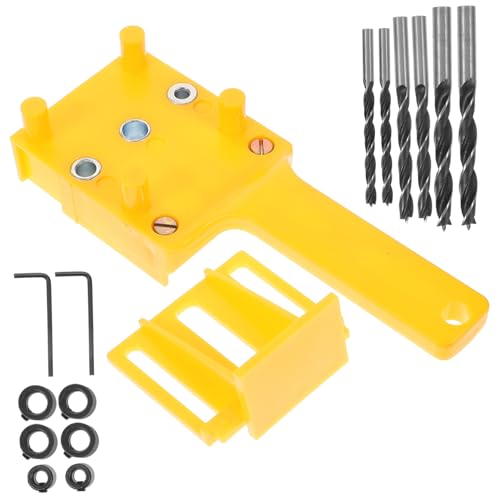
Handheld drill guide kits use a block with metal sleeves that you hold or clamp against the work. They are affordable and come with bits, depth stops and a bag of dowels, which makes them a sensible starter set for DIY joinery.
Multi-joint jigs can drill edge, corner and surface joints, and some combine dowelling with pocket hole guides. Dowel centre points are not a jig as such, but they help you transfer hole positions from one piece to the other for one-off jobs.
Dowel makers are a different tool altogether. They turn square stock into round rods of a set diameter, which is handy if you want dowels in a matching timber.
What to check before you buy
Bushing material. Hardened steel sleeves keep their size. Soft or plastic guides wear quickly and holes start to drift.
Dowel sizes. Match the jig to the work. As a rough guide, use a dowel around a third to half the thickness of the board, so 8mm for 18mm stock.
Board capacity. Check the range of board thickness the jig clamps, especially if you work with thick worktops or thin panels.
Clamping and fences. A solid clamp and reference fence stop the jig shifting as you drill, which is the main cause of misaligned joints.
Getting accurate dowel joints
Always mark a reference face and edge on each piece and keep the jig against those faces. Set a depth stop on the bit so each hole is slightly deeper than half the dowel length, which leaves room for glue. Brad point bits give a cleaner start than standard twist bits; our guide to choosing drill bits explains why. Fluted dowels let excess glue escape, so the joint pulls up tight without splitting. Dry fit everything before you glue up.
Dowelling jig FAQs
Dowels or biscuits? Dowels give a stronger mechanical joint and need only a drill. Biscuits are quicker to align on long edges but need a biscuit jointer.
Dowels or pocket holes? Pocket screws are faster and need no clamping, but leave visible holes on one face. Dowels are fully hidden, which suits furniture.
Do I need a pillar drill? No. A good jig keeps a cordless drill square on its own. For more joinery kit, see our jigs and accessories and the wider power tool accessories range.