A cordless drill that feels underpowered, too heavy or poorly matched to the work quickly becomes an expensive frustration. If you are working out how to choose cordless drill options for home projects, site work or workshop use, the right answer is not always the biggest model or the highest voltage. It comes down to the jobs you actually need it to handle, how often you will use it and whether you are buying into a battery platform you can rely on.
For some buyers, a compact combi drill is the best all-rounder. For others, especially those drilling mainly into timber, plasterboard or sheet materials, a standard drill driver may be the better value choice. The strongest buying decisions start with application, not marketing claims.
How to choose cordless drill by type
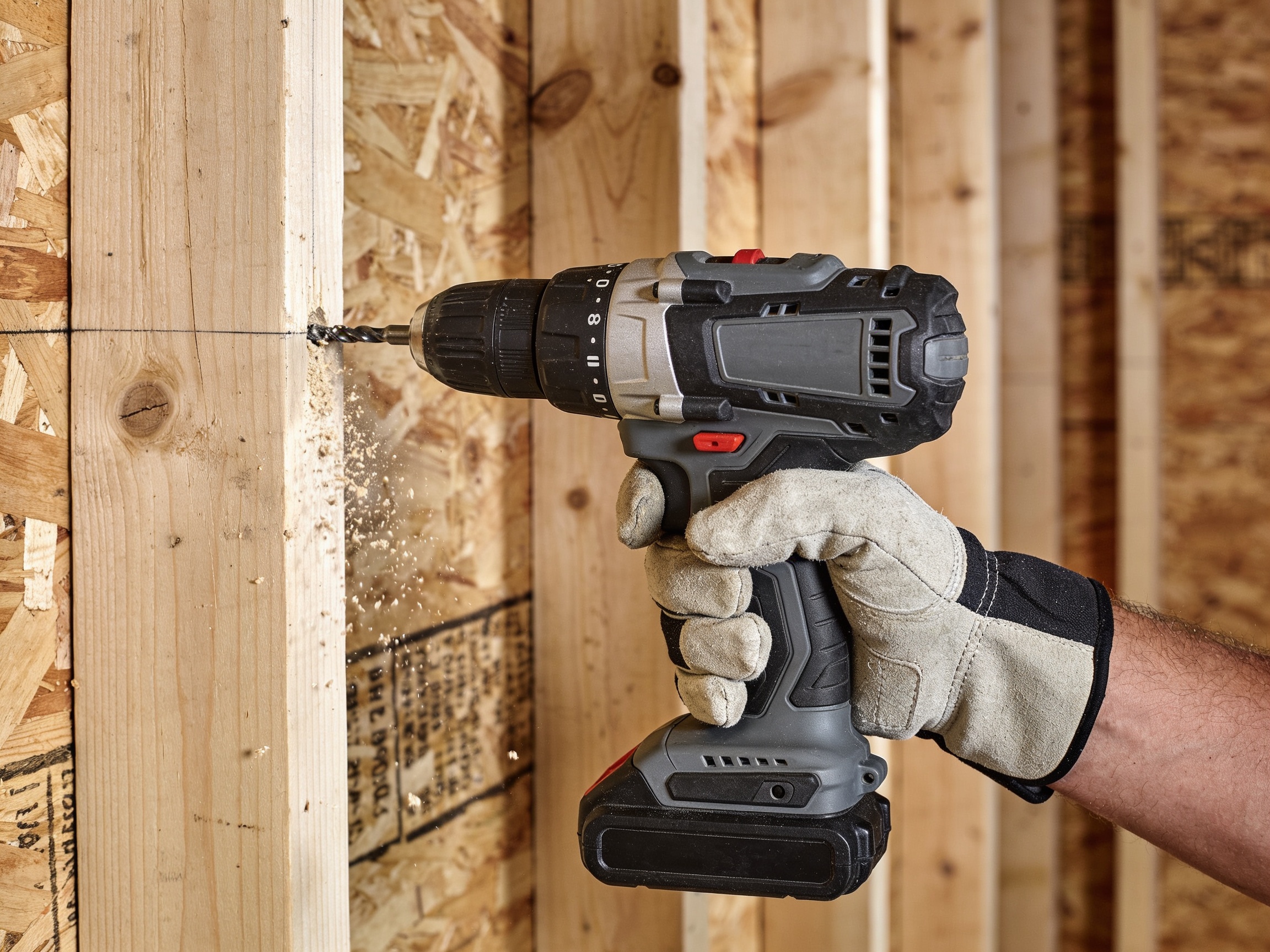
The first choice is usually between a drill driver and a combi drill. A drill driver is designed for drilling into wood, metal and plastics, and for driving screws. It is often lighter, more compact and easier to use for longer periods, which makes it a strong option for furniture assembly, kitchen fitting, shelving and general DIY.
A combi drill adds a hammer function, which allows it to drill into masonry such as brick and block. If you regularly need to fix into walls, install pipe clips or carry out first-fix work, that extra mode matters. It does not replace an SDS drill for heavy concrete work, but for general building and installation tasks it offers much more flexibility.
There is a trade-off. Combi drills are usually heavier and slightly bulkier. If you rarely drill masonry, paying extra for hammer action may not improve your day-to-day use. Buyers often assume more functions mean a better tool, but in practice the best drill is the one that suits most of your work without adding unnecessary size or cost.
Voltage, torque and what power really means
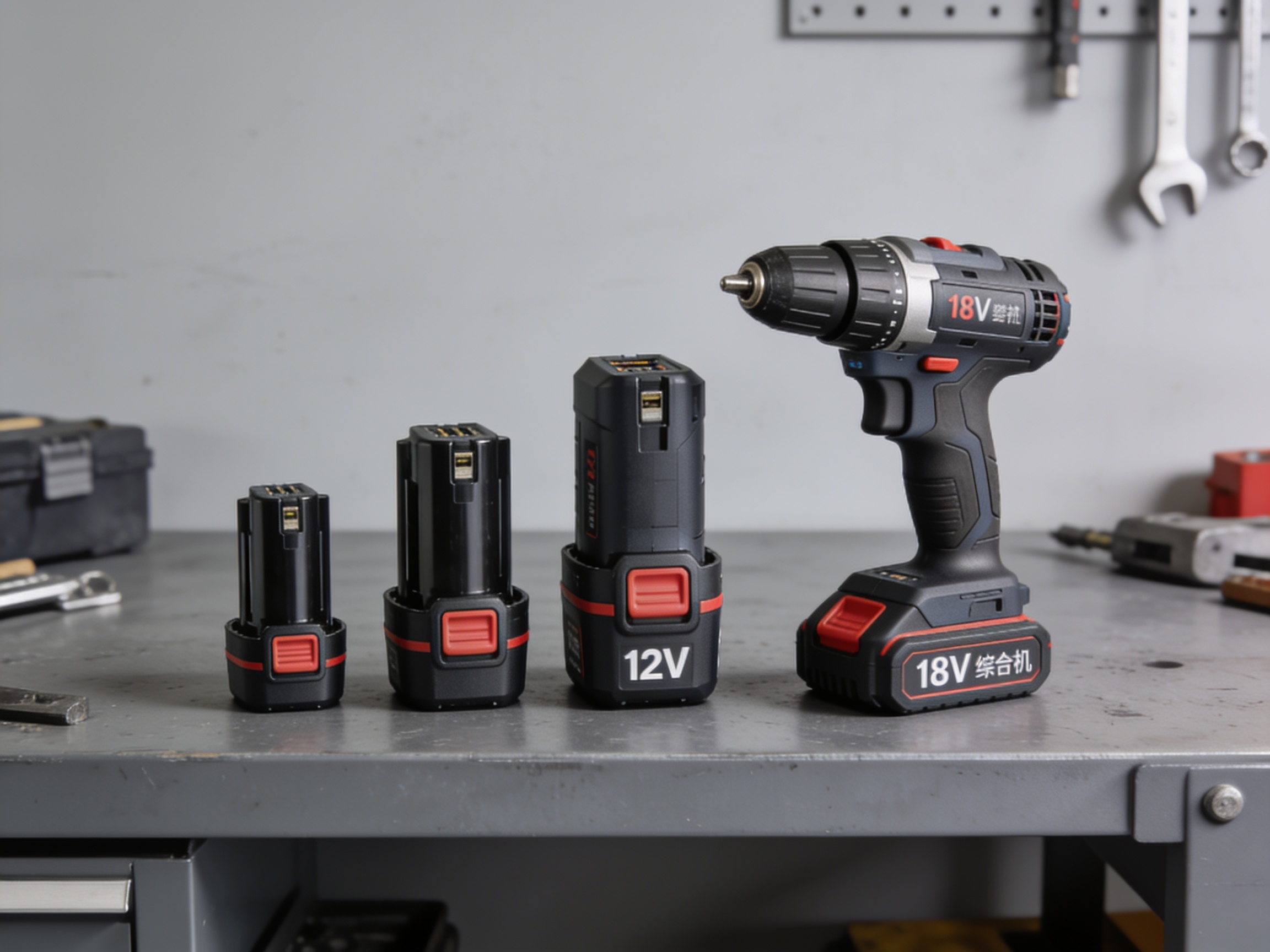
Voltage is one of the first specifications people notice, but it is only part of the picture. Most cordless drills sit in either 12V or 18V platforms. A 12V drill is typically compact, lightweight and ideal for lighter fitting, maintenance and domestic jobs. An 18V drill is the standard choice for professional use and serious DIY because it offers more torque, broader application and better compatibility with heavier-duty cordless ranges.
If you are choosing a main drill for regular use, 18V is often the safer long-term option. It gives you more headroom when drilling larger holes, driving longer fixings or working with harder materials. If portability matters more than outright strength, a premium 12V model can still be a very capable tool.
Torque matters just as much as voltage. Higher torque generally means better drilling and screwdriving performance, especially in demanding materials. Even so, more torque is not always easier to control. If you are doing delicate fixings, cabinet work or repetitive screwdriving, a drill with well-balanced clutch settings can be more useful than one that simply delivers the highest figure on paper.
Battery platform and runtime
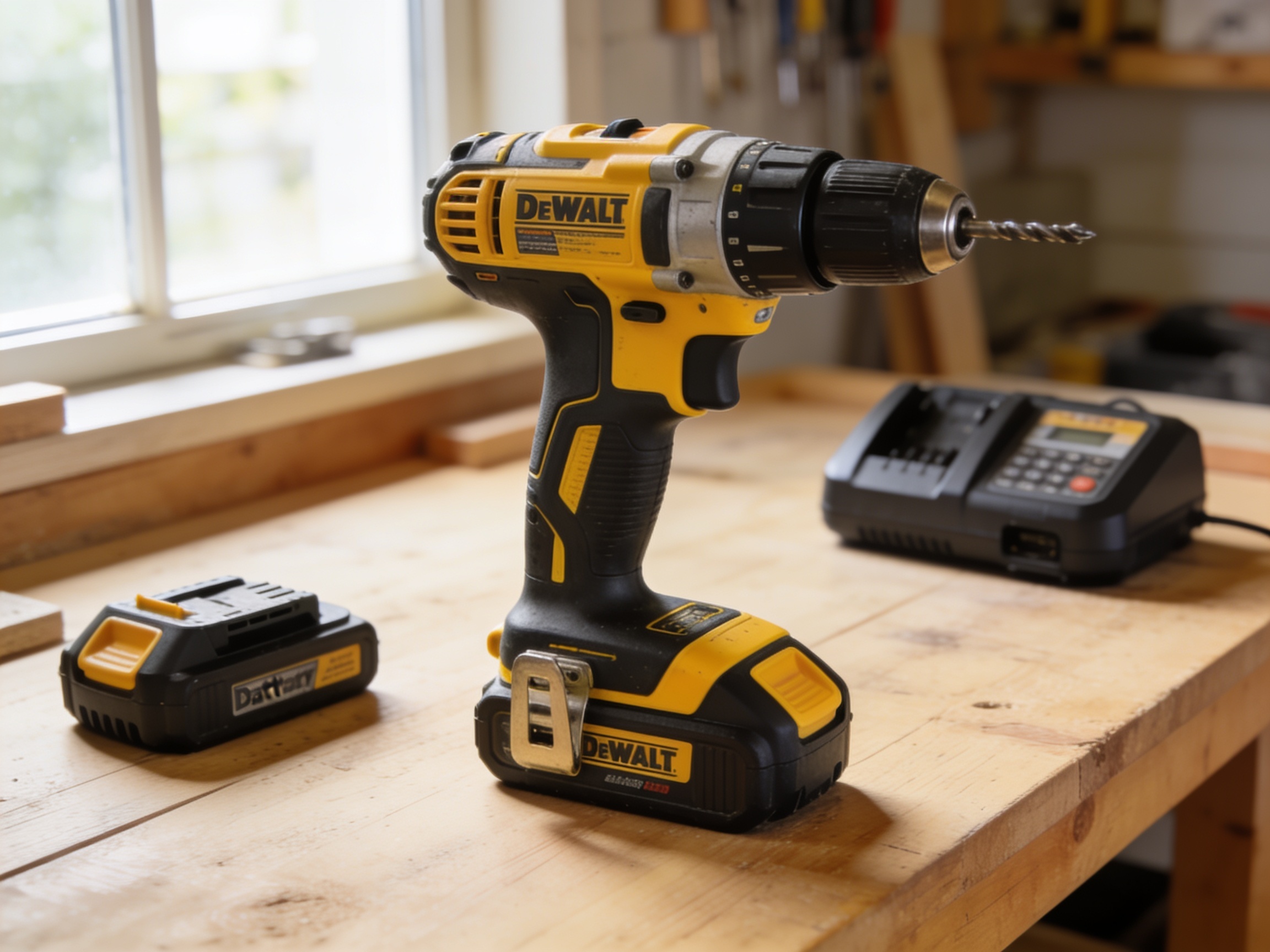
Battery choice affects cost, convenience and long-term value more than many first-time buyers expect. If you already own cordless tools from a recognised brand, staying within that battery platform usually makes the most sense. Shared batteries and chargers reduce overall spend and make it easier to add bare units later.
Runtime depends on both the tool and the battery capacity. For light DIY use, a 2.0Ah battery may be perfectly adequate and helps keep weight down. For regular site use or heavier drilling, 4.0Ah or 5.0Ah batteries offer longer runtime and can improve sustained performance. That said, larger batteries also make the drill heavier, which is worth considering if you spend long periods overhead or in tight spaces.
This is where buying habits matter. A tradesperson may prefer two mid-sized batteries that can be rotated through the day. A home user may be better served by a lighter kit with one spare battery rather than paying for maximum capacity they rarely need.
Chuck size, clutch settings and gearbox
A 13mm keyless chuck is the most versatile option for general use and is standard on many 18V drills. It accepts a wider range of bits and suits heavier applications better than a smaller chuck. For lighter compact drills, a 10mm chuck can still be perfectly practical, but it is more limiting if your work varies.
Clutch settings are easy to overlook, yet they make a real difference when driving screws. A drill with a useful range of clutch positions gives you better control and helps avoid stripping screw heads or damaging materials. This is particularly important in joinery, kitchen installation and finish work, where consistency matters.
A two-speed gearbox is also worth having. Lower speed with higher torque is better for driving screws and larger holes. Higher speed is better for quicker drilling in smaller diameters. It is a basic feature on many quality drills, but one that improves versatility far more than headline specs suggest.
Weight, balance and comfort
A cordless drill can look strong on paper and still be the wrong choice in the hand. Weight, grip shape and overall balance affect fatigue, control and confidence in use. If you are working above shoulder height, on ladders or across a full day, a heavy drill becomes harder to justify unless the extra power is genuinely needed.
Compact body design can be just as important as raw performance. Electricians, kitchen fitters and maintenance engineers often work in cupboards, voids and awkward corners where size matters. Carpenters and builders may accept more weight for better drilling power and tougher build quality.
Soft-grip handles, sensible trigger control and a well-positioned LED light all improve usability. These are not gimmicks when you use the tool regularly. They help you work faster and with better accuracy, particularly in poorer lighting or restricted access.
Brushless or brushed?
Brushless motors are now common across better cordless ranges, and for good reason. They tend to deliver better efficiency, longer motor life and stronger performance under load. For buyers using a drill regularly, brushless is often worth the extra spend.
Brushed drills still have a place, especially for lighter domestic use or occasional jobs where budget matters most. They can offer solid performance from respected brands at a lower entry price. The key question is not whether brushless is better in theory, but whether your usage justifies the added cost.
If this will be your main drill for ongoing work, brushless usually offers better value over time. If you only need a dependable drill for periodic household tasks, a good brushed model may cover everything you need without stretching the budget.
How to choose cordless drill features that matter
Not every extra feature deserves equal attention. An all-metal gearbox, electronic brake, belt hook and battery fuel gauge can all be worthwhile, particularly for trade users. They improve durability, speed and convenience on the job.
Other features depend on the type of work. Hammer mode is essential for masonry drilling but irrelevant if you mainly assemble furniture and fit timber. Side handles become more useful as torque increases. A stackable carry case may matter for van storage, but less so for a home workshop.
The best approach is to focus on features that solve a real problem in your work. A simpler drill from a trusted platform is often the smarter buy than a spec-heavy model that does not improve your results.
Matching the drill to the user
For general DIY, a compact 12V or entry 18V drill driver often gives the best balance of price, weight and performance. It will cover flat-pack furniture, curtain poles, shelving, timber drilling and general repairs with ease. If wall drilling is common, a combi drill becomes the more practical step up.
For regular trade work, an 18V brushless combi drill is often the benchmark. It offers the strength, battery support and durability needed for varied jobs across timber, metal and masonry. If your work involves frequent heavy fixings, larger hole saws or repeated masonry drilling, it is worth looking beyond entry-level kits and choosing a model built for sustained use.
For workshop or fitting environments, compact size may matter more than maximum torque. A lighter drill used accurately all day can be more productive than a larger model that only shows its advantage on occasional heavy jobs.
Brand, value and buying with confidence
Recognised professional brands earn their reputation through battery support, spare availability, durability and consistent performance. That matters whether you are a tradesperson relying on the tool daily or a serious DIY buyer who wants something dependable rather than disposable.
Value for money is not about finding the cheapest drill. It is about buying the right level of performance, a sensible battery package and a platform that can grow with your needs. A drill that handles current jobs and leaves room for future tool purchases will usually prove the better investment.
If you are comparing kits, look closely at what is included. Two batteries, a charger and a case can make a genuine difference to overall value. So can stepping into a platform where impact drivers, saws, lights and garden tools use the same batteries.
A good cordless drill should feel like a reliable part of your kit, not a compromise you plan to replace in six months. Choose for the work you actually do, buy from a platform you trust, and you will tackle every job with far more confidence.
18V or 20V? Why UK listings rarely agree with US ones
If you have compared UK and US retailer listings, you may have noticed some drills advertised as “20V Max” rather than 18V. This is not a different or more powerful battery platform – it is a US marketing convention that quotes the battery’s peak, unloaded voltage rather than its nominal running voltage. An 18V nominal battery and a “20V Max” battery are, in practice, the same technology measured differently. UK retailers almost universally use the 18V nominal figure, so when comparing specifications, focus on torque, chuck size and battery capacity rather than the voltage label alone.
Once you have settled on a drill, our guides to choosing the right drill bits for every material and picking a tool chest to keep everything organised cover the accessories most buyers need next.