

A sander that leaves swirl marks, clogs its own abrasive and fills the room with dust is a false economy. When buyers search for the best orbital sanders UK tradespeople and serious DIY users actually rate, they are usually looking for one thing — a machine that works cleanly, runs smoothly and earns its place in the kit.
Orbital sanders cover a wide range of jobs, from rubbing down painted doors to preparing hardwood, finishing sheet materials and tidying filler. The right choice depends less on a single brand badge and more on how the tool will be used day after day. If you are sanding on site, weight, dust collection and control matter. If you are in a workshop, pad size, extraction and finish quality often matter more than outright portability.
What makes the best orbital sanders UK buyers can rely on?
For most buyers, the best machine is not the most powerful on paper. It is the one that balances finish quality, comfort and durability. A good orbital sander should feel settled in the hand, with low vibration and predictable movement across the surface. That matters just as much as motor output because a hard-to-control machine can spoil the finish and tire the user long before the job is done.
Dust extraction is another deciding factor. Better sanders keep the abrasive clearer for longer, improve visibility on the workpiece and reduce clean-up afterwards. For trade users, especially decorators, joiners and fit-out professionals, effective extraction can also make the difference between a tool suited to occupied properties and one that is better kept for rough workshop prep.
Pad quality is often overlooked. A poor backing pad wears quickly, grips discs badly or transfers uneven pressure. On better machines, the pad is more durable and works properly with quality abrasives, which helps the sander cut consistently rather than just skate over the surface.
Random orbital or sheet orbital?
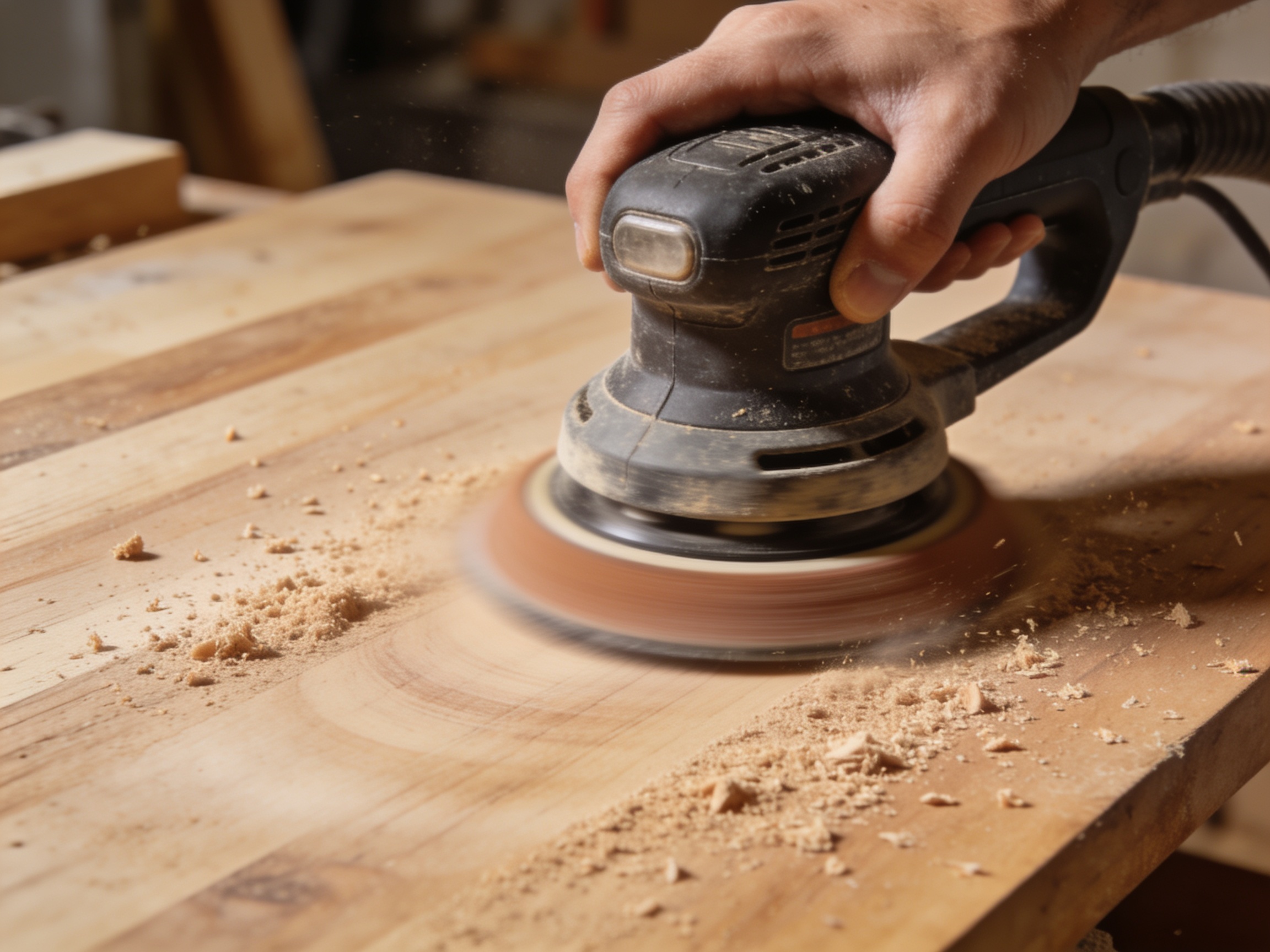
When people say orbital sander, they may mean two different tool types. A random orbital sander uses both spinning and orbiting movement. This is the better choice for most wood finishing, paint prep and general-purpose sanding because it removes material reasonably quickly while leaving a cleaner finish. It is the go-to option for many carpenters, furniture makers and serious DIY users.
A sheet orbital sander, sometimes called a finishing sander, moves in a smaller repeated orbit and uses rectangular sanding sheets. It is often more suitable for light finishing work, edge access and flat-panel sanding where a controlled, less aggressive action is preferred. If you are refreshing skirting boards, doors or trim, a sheet model can still be a sensible buy — our mitre saw buying guide covers the cutting side of the same finish-carpentry jobs.
For most customers comparing the best orbital sanders UK retailers stock, a random orbital model will be the more versatile option. It handles a wider range of materials and jobs with fewer compromises.
The key features worth paying for
Motor performance matters, but it needs to be matched to the task. A compact 125mm random orbital sander is usually the safest all-round choice. It is easier to control than a larger machine, abrasive discs are widely available and it suits everything from intermediate sanding to final prep. A 150mm model gives you more coverage and can speed up bigger jobs, but it is often more expensive and slightly less nimble on smaller pieces.
Variable speed is worth having if you move between materials. Higher speeds help with stock removal, while lower speeds are better for finer finishing and heat-sensitive surfaces. On painted or lacquered work, that extra control can prevent unnecessary loading and reduce the chance of marking the surface.
Cordless versus corded depends on where you work. Cordless sanders are ideal for mobility, snag-free operation and site work where extension leads are inconvenient. Corded models still make a strong case for longer sessions in workshops, especially if you are sanding for extended periods and want uninterrupted runtime. There is no universal winner here — it depends on your workflow.
Ergonomics also deserve attention. A well-shaped grip, sensible switch placement and manageable vibration levels make a noticeable difference over the course of a full day. A sander can look similar to another model in a product listing, yet feel far better in use.
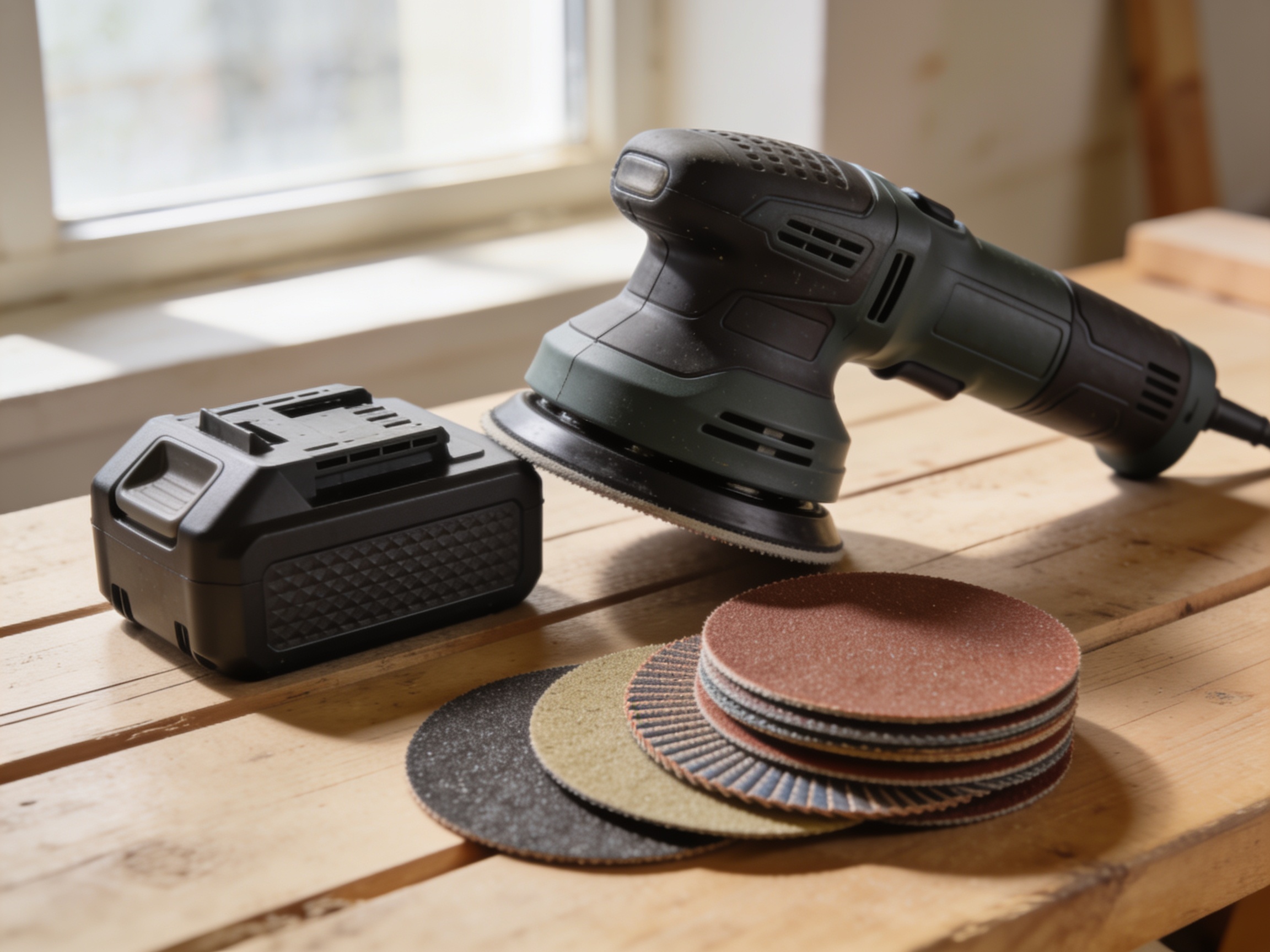
7 best orbital sanders UK buyers should consider
DeWalt DWE6423-GB 125mm random orbital sander
DeWalt remains a strong choice for buyers who want dependable trade-standard performance and broad battery compatibility if they are already on the platform. The DWE6423-GB, a 280W corded 125mm model with variable speed, is typically well suited to joinery, decorating prep and general finishing work. It tends to offer solid dust collection, good grip design and enough power for regular site use without feeling overbuilt for the job.
The main appeal is balance. It is not usually the lightest or cheapest machine available, but it is a consistent performer for users who need a recognised brand with proven support and accessories.
Makita DBO180Z cordless random orbital sander
Makita sanders are often chosen by users who value smooth operation and reliable build quality. The DBO180Z, an 18V cordless 125mm model, is a safe option for repeated use across timber prep, paint removal and finishing tasks. Many buyers also appreciate the breadth of the Makita range, with options covering compact cordless units through to more workshop-friendly corded models.
If you already run Makita batteries, a cordless random orbital sander can be an efficient addition to the kit. The trade-off is that continuous sanding can draw batteries down quickly, so spare packs are worth factoring in.
Milwaukee M18 BOS125-0 for cordless performance
Milwaukee has built a strong reputation with trade users who want cordless tools that do not feel like a compromise. The M18 BOS125-0 is generally aimed at buyers looking for robust construction, respectable material removal and compatibility with an established M18 site kit.
This model can be especially appealing for fitters and installers moving room to room, where portability matters. It is less appealing if low upfront cost is the priority, but for regular professional use the overall package can justify the spend.
Bosch GEX 125-1 AE for control and finish
Bosch Professional sanders often suit buyers who prioritise handling and finishing quality. The GEX 125-1 AE, a corded 125mm model with a microfilter box, tends to offer refined control, effective extraction and a reassuringly engineered feel in both workshop and site settings.
For users doing finer sanding stages rather than aggressive removal, this is often a sensible model to shortlist. It may not be the cheapest route into the category, but it is commonly chosen for finish-focused work where control is more valuable than brute force.
150mm random orbital sanders for larger surfaces
If you regularly work on tabletops, worktops, doors or broad panels, a 150mm random orbital sander is worth considering. The larger pad covers more area and can improve productivity, especially in workshop environments. This is often the better fit for cabinet makers, furniture work and repeated production sanding.
The trade-off is manoeuvrability. A 150mm machine can feel less convenient on narrow components, detailed areas or overhead work. For mixed-use buyers, 125mm remains the safer all-round option.
Sheet orbital sanders for trim and finishing
Not every job calls for a random orbital model. Sheet sanders still earn their place when you want controlled finishing on flat surfaces, access into corners and easy sheet changes. They are useful for decorators, maintenance work and lighter sanding around the home or workshop.
They are less aggressive, so stock removal is slower. That makes them a poor choice if you are stripping back heavy coatings or trying to flatten rough timber quickly, but a good choice for cleaner finish work.
Corded orbital sanders for long sessions
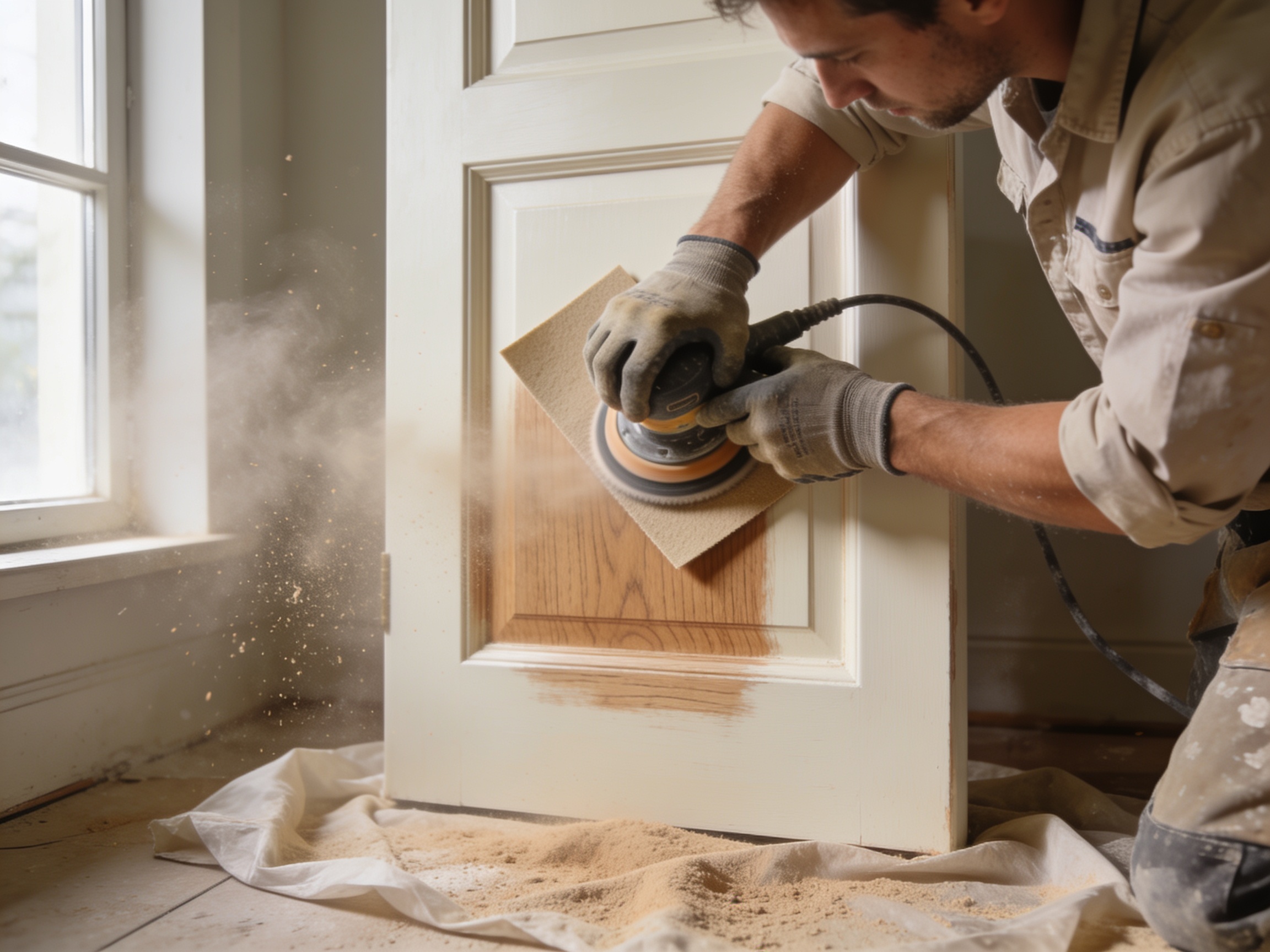
Corded models remain highly relevant, especially for bench work and extended sanding sessions. You get consistent power, no battery management and often strong value for money compared with cordless alternatives. If the sander will spend most of its life connected to dust extraction in one work area, corded can still be the practical winner.
For mobile work, the cable is the obvious drawback. But in a workshop, many users still prefer the simplicity and uninterrupted runtime.
How to choose the right one for your work
If you need one machine to cover the widest range of jobs, a 125mm random orbital sander with variable speed is usually the strongest choice. It suits timber prep, paint sanding, filler work and general finishing without leaning too far towards one specialist task.
If your work is mainly decorative finishing, trim prep or smaller flat sections, a sheet orbital model may be more precise and cost-effective. If your projects are larger and more repetitive, stepping up to a 150mm random orbital machine can save time.
Brand choice should also reflect the rest of your kit. For cordless buyers, battery platform compatibility is a real advantage, not a minor detail. Sticking with the same system can reduce cost and keep your setup simpler on site — and if you’re organising a growing collection of bodies and batteries, our tool chest buying guide is worth a look too.
It is also worth being realistic about abrasives. Even the best sander will underperform with poor discs. Good-quality sanding sheets or hook-and-loop discs cut faster, last longer and often improve the finish enough to justify the small extra spend.
A final word on value
The best value orbital sander is rarely the cheapest machine on the shelf. Value comes from finish quality, comfort, reliability and how well the tool fits the jobs you actually do. A trade user sanding every week will benefit from stepping up in quality. A serious DIY buyer tackling regular home improvement projects will usually feel the difference too.
Choose the machine that matches your workload, not just your budget, and you will get a tool that helps you work faster, finish better and tackle the next project with confidence.