
If you have ever started a job with the wrong tool, you will know how quickly a simple task turns frustrating. A long screw stalls halfway into timber, a drill bit slips in metal, or your wrist takes the brunt of a snag. That is where the impact driver vs drill question matters. They may look similar at a glance, especially in cordless ranges, but they are built for different kinds of work.
For many buyers, the right answer is not which one is better overall. It is which one suits the jobs you actually do. Trade users often keep both because each saves time in its own way. Serious DIY users can do the same if they want more efficiency and cleaner results. If you are choosing one first, it helps to understand where each tool earns its place.
Impact driver vs drill: the core difference
A drill is designed primarily for drilling holes, and most combi drills also handle screwdriving. It applies steady rotational force, which makes it versatile across wood, metal, plastic and masonry if the model includes a hammer function. It is usually the first cordless power tool people buy because it covers a broad range of day-to-day tasks.
An impact driver is designed mainly for driving screws, coach screws and fixings that need higher turning force. Instead of applying only constant rotation, it adds a rapid impacting action in the direction of rotation. That extra mechanism helps drive stubborn fasteners with less chance of the tool bogging down.
In practical terms, a drill is the more general-purpose option. An impact driver is the specialist for repetitive fastening and heavy screwdriving. That is why carpenters, fitters, roofers and general trades often rely on impact drivers for speed and consistency.
When a drill is the better choice
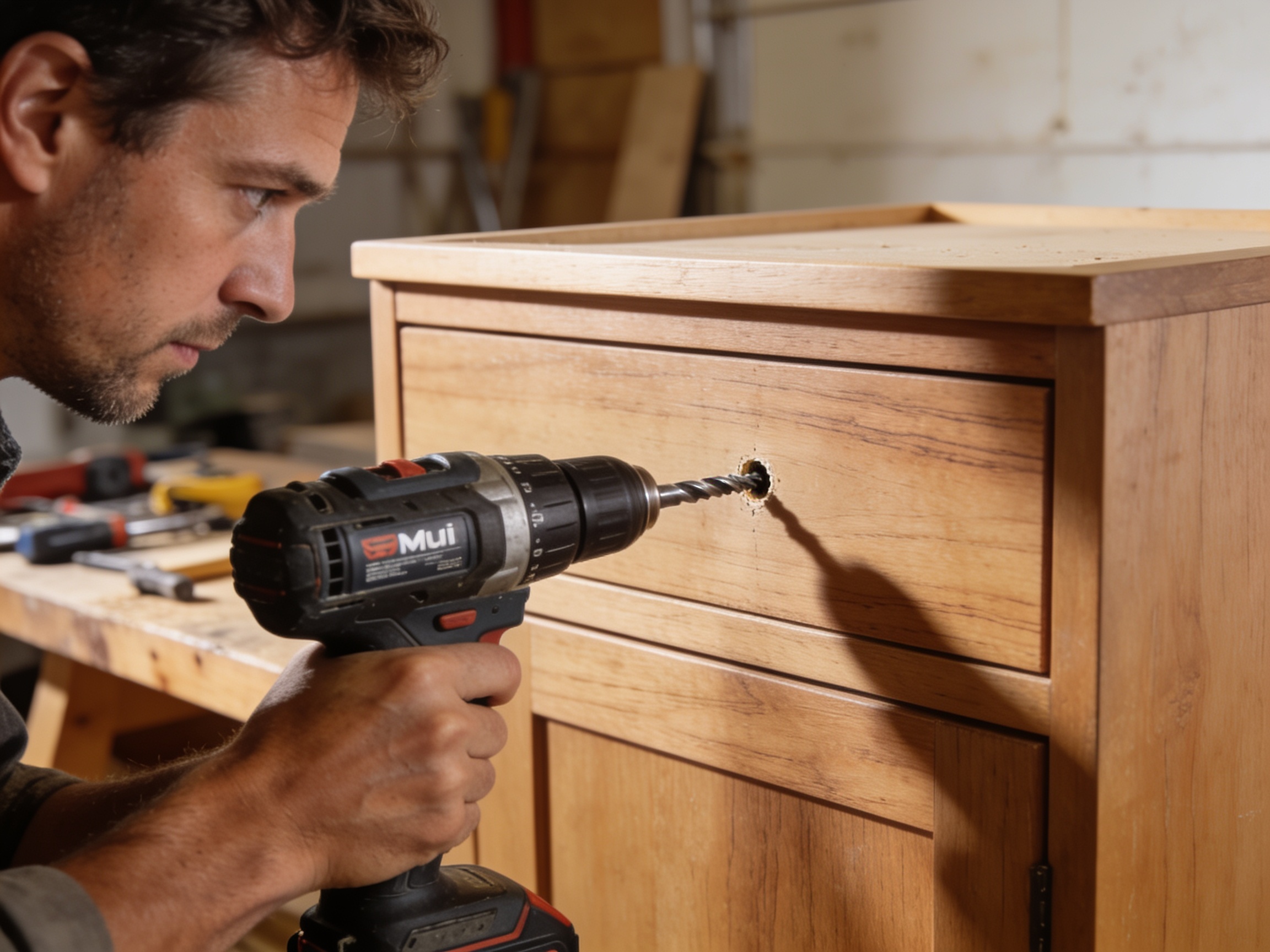
A drill earns its keep when accuracy matters more than brute force. If you are drilling pilot holes, fitting shelves, assembling cabinets, drilling into sheet materials or working with mixed materials on a snagging job, a drill gives you more control.
The chuck is a major reason. Most drills use a three-jaw chuck that grips round and hex-shank bits, so you can swap between wood bits, HSS metal bits, masonry bits and screwdriver bits without needing specialist shanks. That makes a drill more flexible on varied work.
A drill also gives you clutch settings. These let you limit how much torque is applied when driving screws, which is useful when working with softer materials or finish surfaces. If you are fixing plasterboard, assembling furniture or installing hinges, that added control can stop you overdriving the screw and damaging the material.
For anyone buying a first cordless tool, the drill is usually the smarter starting point. It handles more tasks with fewer compromises. If a drill sounds like the right fit, our how to choose a cordless drill guide walks through picking the right model.
When an impact driver is the better choice
An impact driver comes into its own when you are driving lots of fixings or working with long screws into dense timber. Decking, framing, structural timber work, fencing and timber stud projects are all good examples. These are jobs where a standard drill can struggle, particularly if the screw is long or the material is hard.
Because of the impacting action, the tool transfers force more efficiently into the fixing. You often need less physical effort to keep the bit engaged, and there is less twisting force sent back through the handle. That can reduce fatigue over the course of a long day.
Impact drivers also tend to be shorter from front to back than drills. In tight spaces, such as between joists or inside cupboards, that compact body can make a real difference.
There is a trade-off, though. An impact driver is louder, more aggressive in use, and less suited to delicate screwdriving unless you have a careful touch. It is excellent for demanding fastening work, but not always the best tool for neat finish tasks. If you want to see how a well-regarded model performs in practice, read our Milwaukee impact driver review.
Drill vs impact driver for screws
This is where the comparison becomes most useful. Yes, both tools can drive screws. The difference is in how they do it and how well they cope when resistance increases.
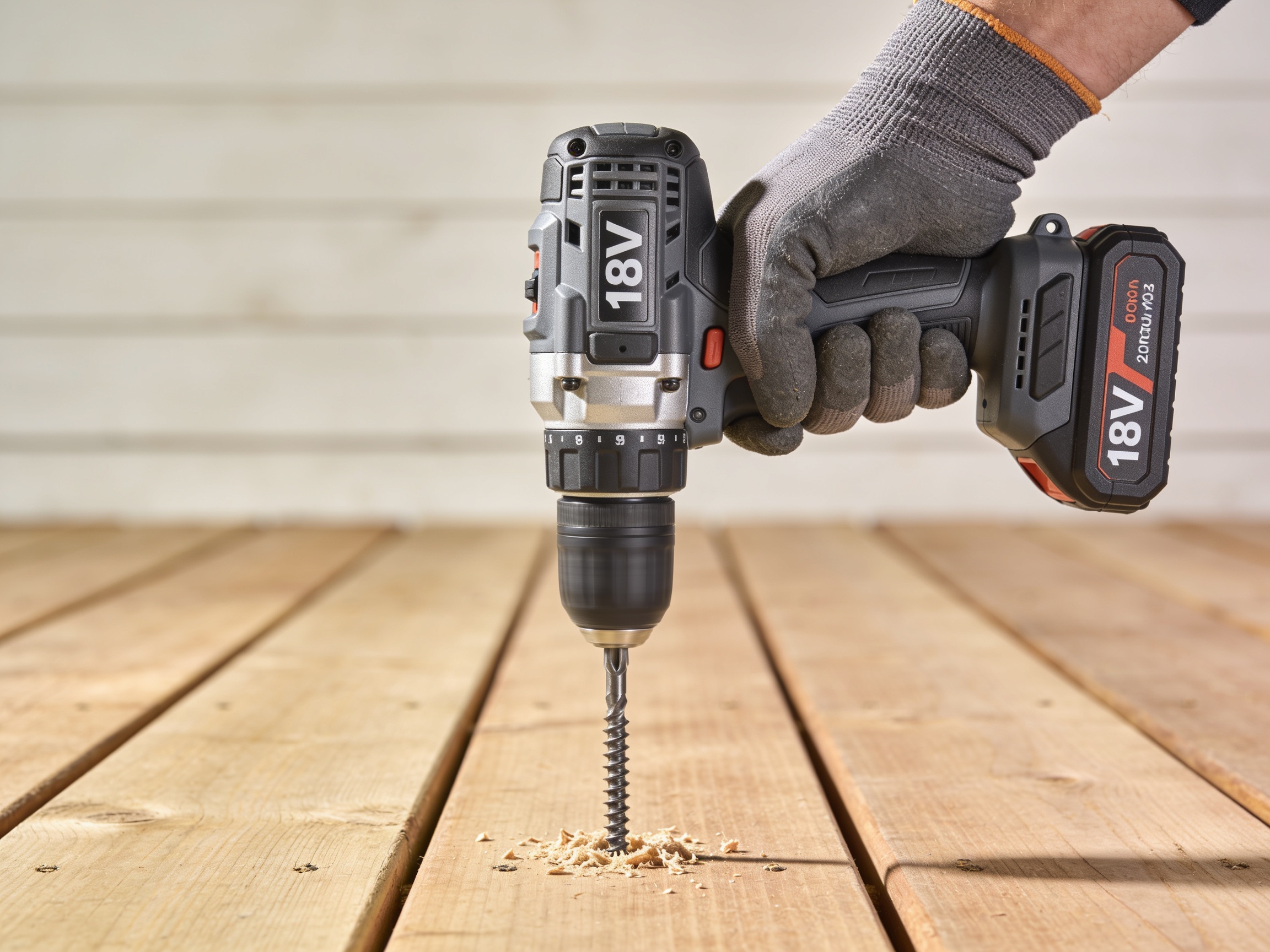
A drill drives screws smoothly and predictably. For short to medium screws in softwood, sheet material and general fixings, it is often all you need. Add the clutch setting and you get better control for repeated work where consistency matters.
An impact driver is stronger under load. As resistance builds, it keeps driving with less strain on the user. If you are regularly using long wood screws, structural fixings or large diameter screws, the impact driver is usually the faster and less frustrating option.
If your projects mainly involve flat-pack assembly, light fittings, curtain rails and occasional shelves, a drill is normally enough. If you are building pergolas, fitting subfloors or driving hundreds of screws in a day, an impact driver quickly justifies itself.
Drill vs impact driver for drilling holes
A drill is the clear winner here. It is built for drilling, the chuck accepts a wider range of bits, and the speed control is better suited to making clean holes in different materials.
An impact driver can drill holes, but only with 1/4in hex-shank drill bits. That limits your choice, and it is not the best setup for precise drilling. It can be handy for occasional pilot holes on site when you want to stay mobile, but it is not a proper replacement for a drill.
If you need to drill into masonry, you will also want a hammer drill or combi drill with a hammer mode. An impact driver does not do the same job.
Chuck type, torque and control
One of the biggest differences in the impact driver vs drill decision is how each tool holds bits. A drill uses a three-jaw chuck, which is more adaptable. An impact driver uses a quick-change 1/4in hex collet, which makes bit changes faster but requires compatible accessories.
Torque figures can also be misleading if you compare tools on paper alone. Impact drivers usually quote much higher torque, but that does not mean they replace drills in every task. The way that torque is delivered matters. A drill gives steady torque and better finesse. An impact driver delivers bursts of rotational force for driving fixings under resistance.
That is why many professionals use a combi drill for drilling and an impact driver for screwdriving. It is not duplication. It is a more efficient pairing.
Which tool is better for DIY users?
For most DIY buyers, a good quality drill or combi drill is the safest first purchase. It covers drilling, basic fixing and general home improvement without adding complexity. You will get more flexibility for the money, especially if you only want one tool to start with.
That said, an impact driver makes sense for DIY users who regularly work with timber, build garden structures, fit decking or take on larger renovation projects. If you often find your drill struggling with long screws, the upgrade is easy to justify.
There is also the battery platform to consider. If you are buying into a recognised cordless range, adding an impact driver later can be cost-effective because you may only need the body rather than extra batteries and chargers. For buyers already using DeWalt, Makita, Milwaukee or Bosch cordless tools, that can make the decision simpler.
Which tool is better for trade work?
For trade use, the answer is often both. On site, time matters. Swapping repeatedly between a drill bit and a driver bit slows the job down. Keeping a drill set up for pilot holes and an impact driver ready for fixings is quicker, cleaner and more practical.
It also reduces wear on the tool. Using a drill for constant heavy screwdriving can do the job, but it is not always the most efficient way to work. An impact driver is designed for that repetitive load.
Electricians, kitchen fitters, joiners and general builders often benefit from carrying both. The exact balance depends on the trade. A carpenter may lean heavily on an impact driver. A plumber or maintenance engineer may still reach for a drill more often.
So, which should you buy?
If you need one tool for a broad mix of jobs, buy a drill first. It is the more versatile option, better for drilling holes, and easier to control for lighter screwdriving.
If your work is heavily focused on driving fixings into timber or you want faster performance on demanding screwdriving jobs, an impact driver is the better specialist tool. It delivers more efficient fastening, especially where long screws or dense materials are involved.
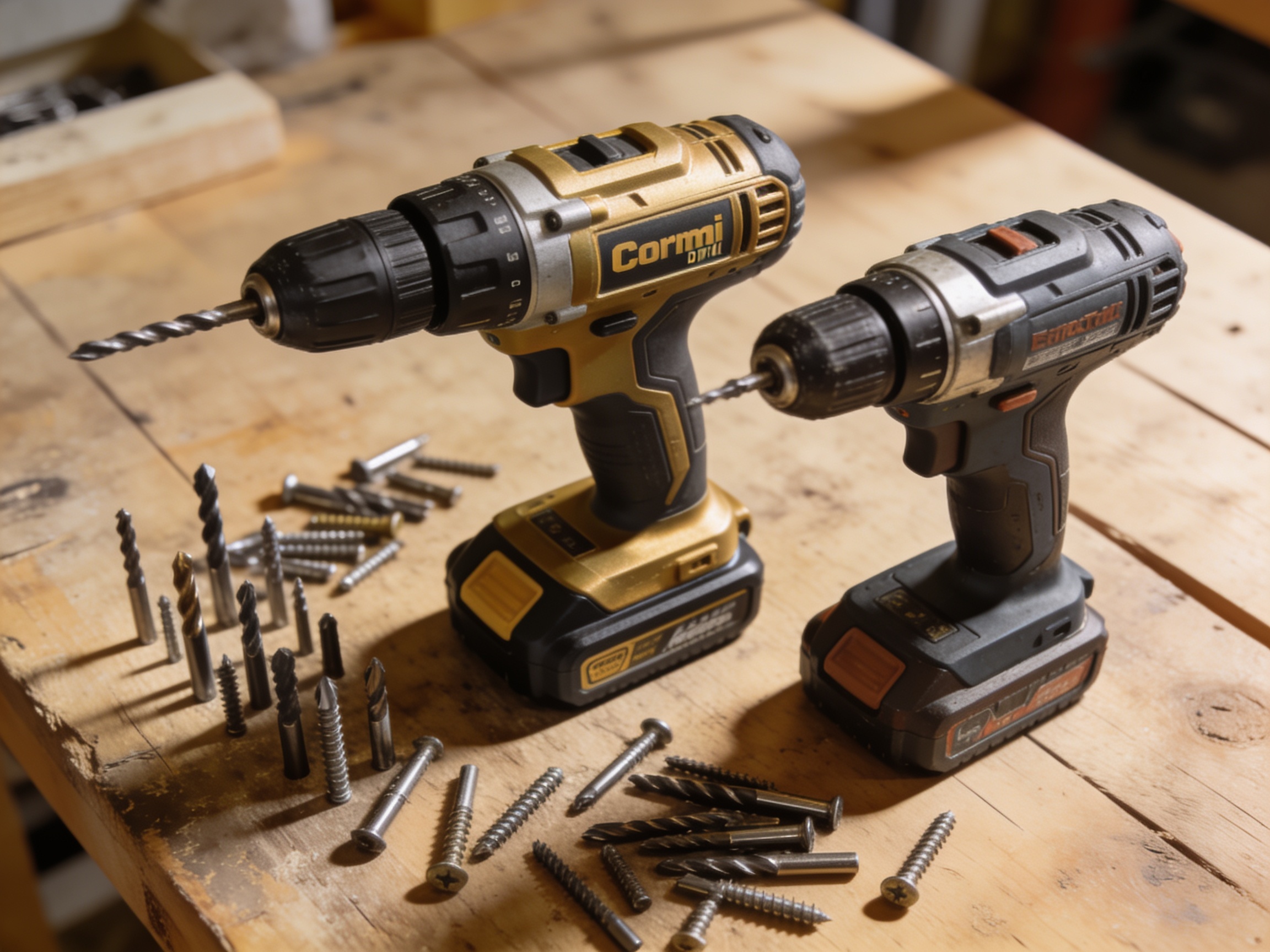
If your workload includes both drilling and frequent fastening, the best answer is not impact driver or drill. It is impact driver and drill. That setup gives you speed, control and less downtime changing bits between tasks.
The right tool is the one that matches the work in front of you. Buy for the jobs you do most often, not the ones you might do once a year, and you will get far better value from your kit.