Router Cutters
Compared on price, power and value, with prices checked daily against Amazon UK. Not sure where to start? Our buying advice is further down the page.
-

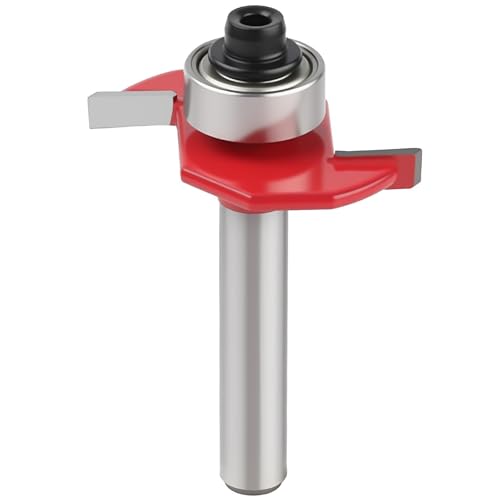
Gasea 6Pcs 1/4-Inch Shank Slot Cutters Adjustable 3 Wing Router Bit Set
£18.69 -
Girihe 4 PCS Router Bits, Router Jig Router Bits 1/4 Shank Trim Routerr Bit with Bearing Flush Trim Bit 1/4, Straight Routerr Bit 1 4 Shank for Wood Processing
Original price was: £9.59.£8.99Current price is: £8.99. -
GOTH Perhk 4 Pcs 1/4 Inch Shank Flush Trim Pattern Bit Set
£13.99 -
Green Straight Two Flute Router Cutter Bit – 1/4 Inch Shank, 12mm Cutting Diameter, Tungsten Carbide Tipped, Precision Woodworking Tool, Durable Router Bit for Smooth Cutting
Original price was: £4.99.£3.99Current price is: £3.99. -
Heyu-Lotus 4 Pcs 1/4 Inch Shank Flush Trim Pattern Router Bit Set, Professional Wood Top Woodworking Milling Cutter Tool with Bearing Template Router Cutter
£9.99 -
hsawbit Straight 2-Flute Router Cutter, 1/4 Inch Shank, 17mm Cut Diameter & 30mm Cut Length, Flush Trim Router Bit for Woodworking
£9.49 -
Mesee 4 Pieces Double Flute Straight Router Bit Set 1/4 Inch Shank Industrial Grade Tungsten Carbide Trimming Milling Cutter Woodworking Tools, Cutting Dia. 1/4", 5/16", 3/8", 1/2"
£11.99 -
Mesee Industrial Grade Flush Trim Template Router Bit 1/4 Inch Shank Hinge Mortising Router Bit with Ball Bearing Woodworking Milling Cutter Tool, 3/4" Cutting Diameter
£8.99 -
Original Einhell 15-Piece Milling Cutter Set (Suitable for Electric Routers, 15 Pieces, 8 mm Shank Diameter, in Wooden Case)
Original price was: £35.95.£30.84Current price is: £30.84. -
Rennie Tool – 10mm Cut x 25mm Flute x 1/4" Shank 2F Straight Router Bit
£14.99 -
Rennie Tool 1/2" Cut x 1/2" Shank x 76mm Extra Long TCT Router Bit
£11.99 -
Router Bit Set, 15PCS 6.35mm 1/4 Inch Shank Carbide Tipped Router Bits, Trimmer Router Cutter Bit -Woodworking Milling Tools for Wood Carving Cutting Routing Edge Trimming
£17.90 -
RTDHO T Slot Router Bit 1/4" Shank 3mm Slot Cutter Bit Biscuit Jointer
£6.99 -
RYOBI RAKRBS5 Router Cutters, 5 Piece, 6 mm
£31.95 -
Saipor 4pcs 6mm Shank Point Cutting Roundover Router Bit Set Carbide Tipped
£9.99 -
SERENEGALAXY Biscuit Jointer Router Bit 1/4 Inch Shank, Biscuit Joint Slot Cutter Router Bit, Wood Biscuit Cutter, Woodworking Cutter Tool (1/4 Inch) (1)
£9.56 -
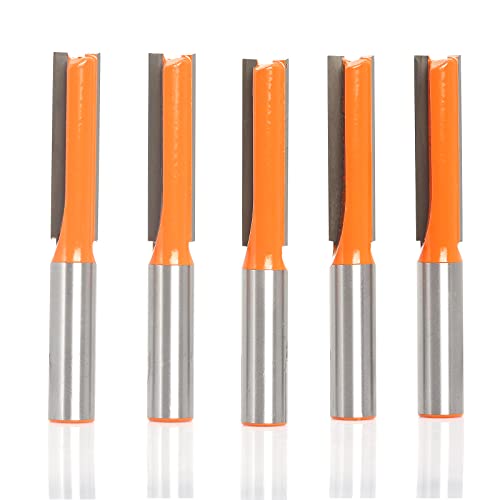
Sinoprotools 5pcs Straight Router Bits, 1/2" Shank Tungsten Carbide Router Cutter, 2" Cutting Depth Kitchen Fitters Router Bit Set for Woodworking(5 Bits)
£39.99 -
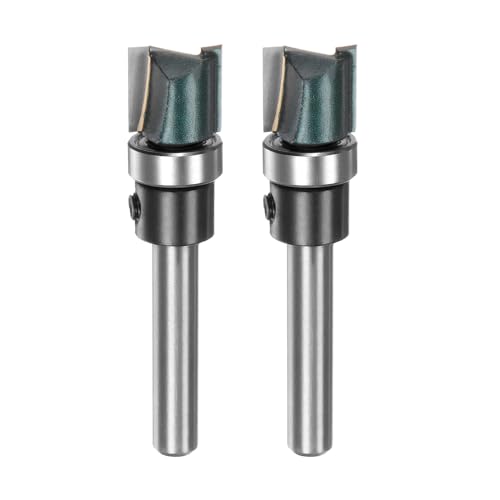
sourcing map 2pcs Pattern Flush Trim Router Bit 1/4" Shank 15/32"x1/2"(L*D)
£9.79 -
sourcing map 4pcs HSS-AL 4mm Cutting Dia 6mm Shank 4 Flutes End Mill Milling Cutter Router Bits Upcut Spiral Milling Cutter Tool for Wood PVC MDF Engraving
£9.79 -
sourcing map Bottom Cleaning Router Bit 18mm Dia 8mm Shank
£7.79






Choosing router cutters for joinery and trim work
Whether you are fitting kitchens, hanging fire doors or making furniture in a home workshop, the bit in the collet decides the finish. A sharp, well matched profile leaves a clean edge right off the machine. A blunt or wrong one burns, chatters and tears out. Here is how to pick the right bits without filling a drawer with ones you never use.
Common profiles and what they are for
Straight and spiral bits: housings, grooves, rebates and mortices. Spiral up-cut types clear chips and dust well, down-cut types leave a crisp top face on veneered board.
Bearing guided trimmers: flush trimming laminate, edging and template or pattern work.
Rounding over, chamfer and ovolo: softening and decorating an edge on solid timber and MDF.
Dovetail and joint bits: drawer boxes, finger joints and lock mitre joints for strong carcass work.
Raised panel and stile and rail sets: cabinet doors with a matching frame and a raised panel, usually best on a table. Stile and rail profiles must be run as a matched pair so the joint closes tight.
Specialist profiles: intumescent recessing for fire door strips, weatherseal grooving for window and door frames, and finger pull profiles for handleless kitchens.
V-groove and carving bits: lettering, sign carving and decorative panel work, where a saw blade simply cannot follow the line.
1/4 inch, 1/2 inch or 8mm?
Match the bit to your collet. Palm and cordless trimmers usually take 1/4 inch or 6mm or 8mm metric, so check before you order a metric profile for an imperial collet. Full size plunge models often accept 1/2 inch, which is stiffer, vibrates less and is the safer choice for large raised panel and worktop bits. Never run a bit in an adaptor or a collet it does not exactly fit.
TCT, solid carbide or PCD
TCT bits are the standard for timber, ply and MDF, and many pro grade ones can be resharpened. Solid carbide suits small diameters, acrylics and spiral designs. PCD (diamond) tipped bits cost far more but last many times longer in abrasive stock such as chipboard and solid surface worktops, so they make sense for trade kitchen fitters.
Sets or single bits?
Starter sets are a cheap way to try profiles, but quality varies. Most joiners buy a few quality groovers, a flush trimmer and a rounding over bit first, then add specialist profiles as jobs need them. Keep them in a storage box with each bit in its own slot so edges do not chip against each other.
Routing safely
Take several shallow passes rather than one deep one, feed against the rotation, clamp the work, and use dust extraction. Keep hand and fingers well away from the bit, and wear eye and hearing protection. Our router bits for joinery guide goes deeper on profiles, and professional woodworking power tools covers the machines themselves.
Router cutter FAQs
Can I use 1/2 inch bits in a 1/4 inch machine?No. Bits must match the collet exactly. Some larger models come with 1/4 inch, 8mm and 1/2 inch collets, so check what your machine accepts.
How do I know when a bit is blunt?Burning, a fuzzy finish, more effort to feed and more noise are the usual signs. Clean off resin first, as build-up often mimics a dull edge.
Find more consumables in power tool accessories.