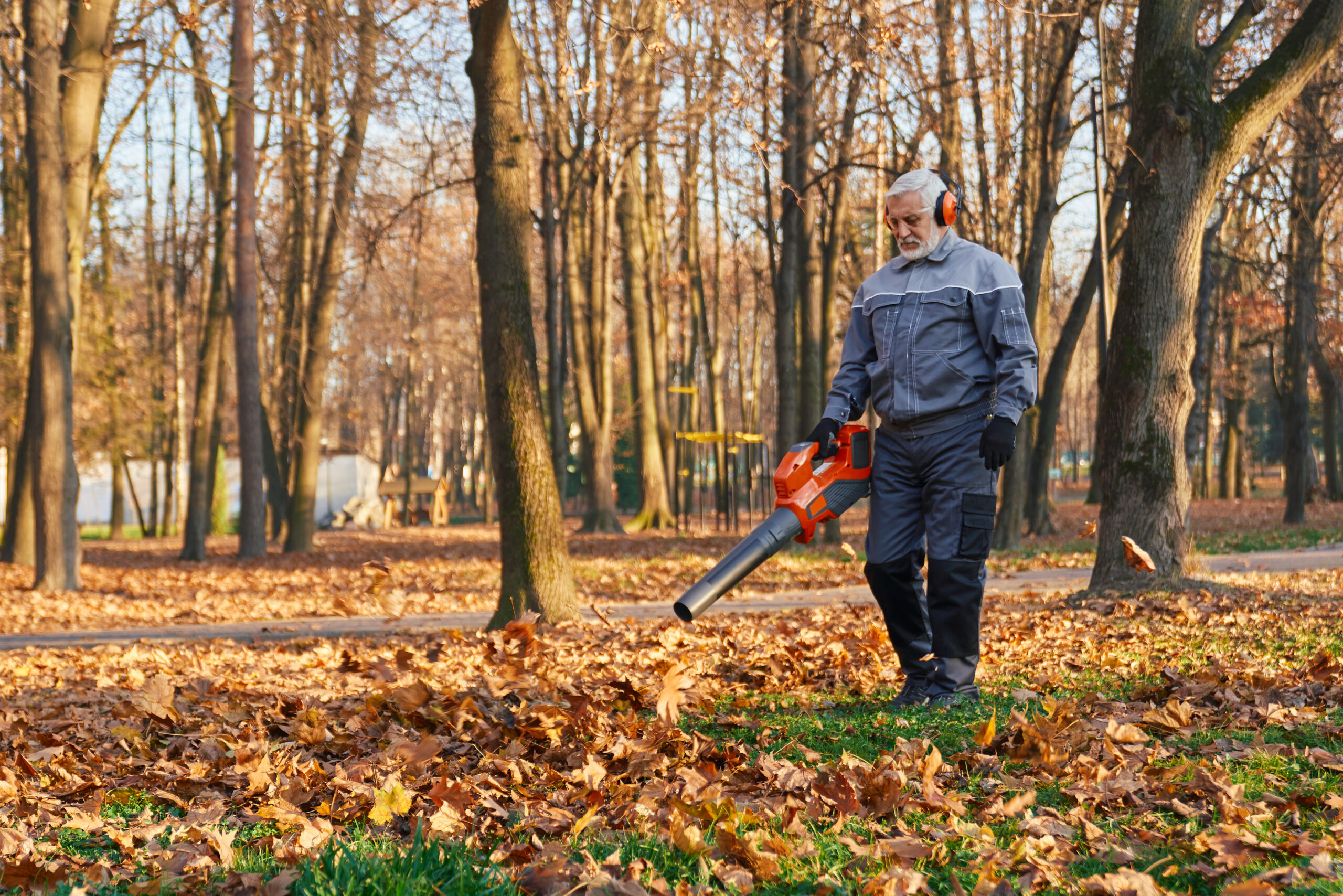
By the time November arrives, most gardens have a carpet of wet leaves on the lawn, drifts against the fence and a soggy layer clogging the drains. A leaf blower vacuum turns that job from a full weekend with a rake into an hour or so of steady work. It blows leaves into a pile, then switches to vacuum mode to suck them up, shred them and bag them, ready for the compost heap or garden waste bin.
There is a surprising spread of machines out there, from lightweight corded blowers to battery models that share packs with your drill. This guide walks through what actually matters when you buy one, so you end up with a tool that suits your garden rather than one that sits in the shed.
The short version
- Corded models offer the most power for the money on small to medium gardens near a socket.
- Cordless blower vacs suit anyone already on an 18V battery platform and want grab-and-go convenience.
- Look for a mulching ratio of at least 10:1 if you want fewer trips to the bin.
- Weight and balance matter more than headline airspeed when you are vacuuming for an hour.
What a leaf blower vacuum actually does
A blower vac is really three tools in one. In blow mode, it pushes a fast stream of air out of the tube to shift leaves off paths, patios and lawns into a heap. In vacuum mode, the airflow reverses and the machine sucks debris up through the same tube. Most models then pass the leaves through an impeller that chops them into smaller pieces, which is known as mulching.
Mulching is the feature people underrate. Shredded leaves take up a fraction of the space, so a 35 or 45 litre collection bag goes a lot further. The shredded material also rots down much faster in a compost bin, giving you leaf mould for the borders by next autumn.
Some machines are blowers only, with no vacuum function at all. They are lighter and simpler, and many trades use them for clearing dust and offcuts from site, but for garden leaf collection you will want the full blower vac setup.
Corded, cordless or petrol leaf blower vacuum?
Corded electric
Corded models are the best value for most suburban gardens. A 2,500 to 3,000 watt motor delivers plenty of suction for damp leaves, and you never have to think about charging or fuel. The downside is the cable. You will want a decent outdoor extension lead with an RCD, and you need to keep an eye on where the lead is trailing so you do not vacuum it up.
Cordless leaf blower
A cordless leaf blower vacuum makes the most sense if you already own batteries for another tool. Models like the Kärcher BLV 18-200 battery blower vac and the Flymo 18V EasiBlowVac take the cable out of the equation entirely, so you can work around the front and back garden without unplugging. Runtime is the trade-off: expect somewhere around 15 to 30 minutes per battery depending on the speed setting, so a second battery is worth budgeting for on larger plots.
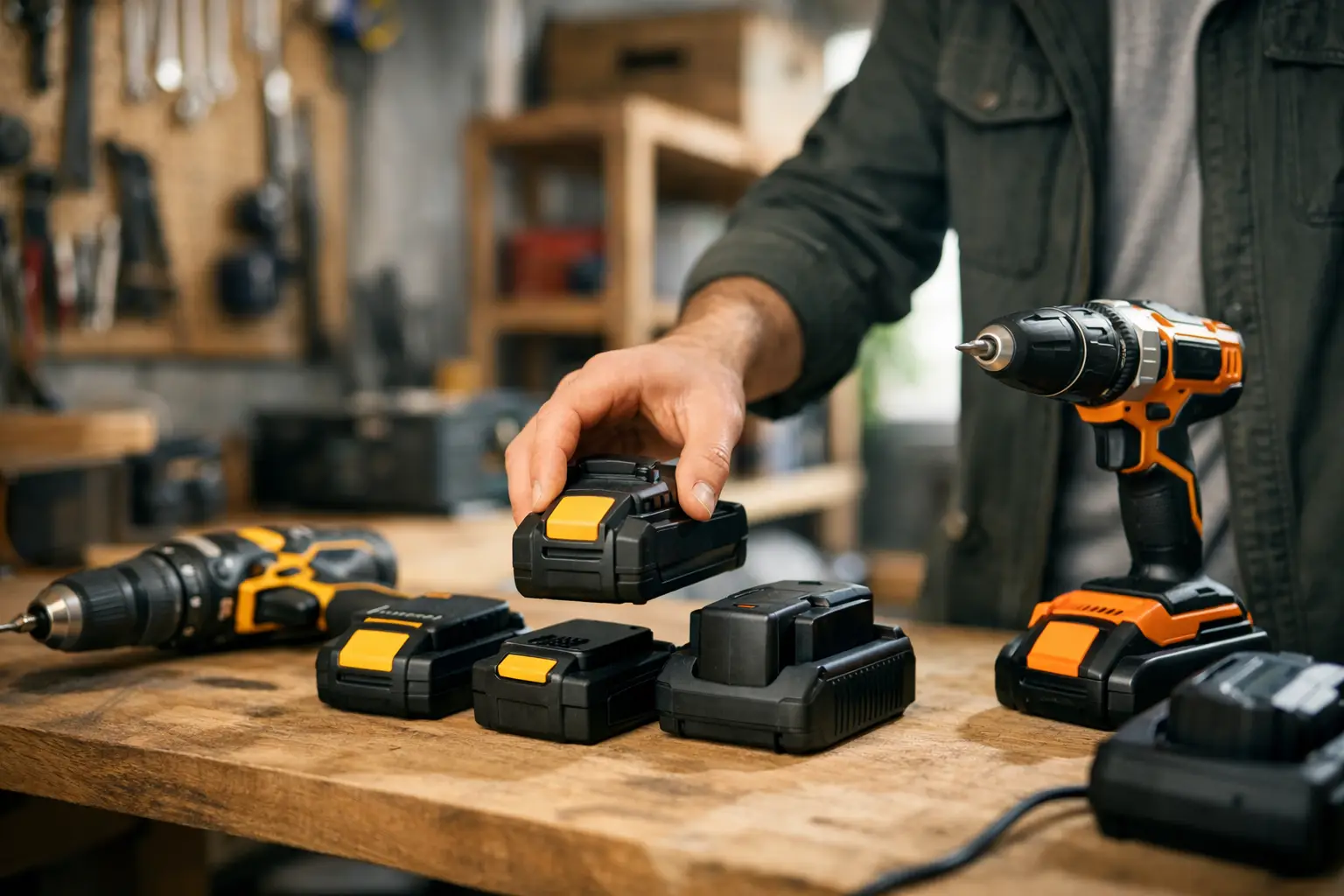
If you are tempted by a cordless model, check which battery platform it runs on before you buy. Our cordless tool kit guide explains why sticking with one system saves money over time.
Petrol
Petrol blowers are for large gardens, paddocks, long driveways and commercial grounds work. They are loud and heavier, and they need fuel mixing and regular servicing, but nothing else matches them for sheer air volume. For most homeowners a petrol leaf blower is overkill.
Key features to compare
Airspeed and air volume. Airspeed is usually quoted in km/h or mph and tells you how hard the air hits the leaves. Air volume tells you how much air is moving. For shifting wet, matted leaves, volume matters as much as speed.
Mulching ratio. A 10:1 ratio means ten bags of whole leaves shrink into one bag of mulch. Ratios of 10:1 to 16:1 are common on decent machines.
Collection bag size. Bags of 35 to 45 litres are typical. Bigger sounds better, but remember you are carrying the weight on your shoulder once it fills up.
Weight and balance. A blower vac that feels fine in the shop can become tiring after half an hour. Look for a shoulder strap, a second handle and a design that does not dip the nozzle into the ground.
Variable speed. A lower setting stops you blasting gravel and bark chips off beds, and it makes cordless batteries last longer.
Tube design. Some models use a single tube for both modes, switched with a lever. Others need you to swap tubes. The single-tube design is far more convenient in practice.
How to clear leaves faster
- Start on a dry day if you can. Wet leaves are heavy and clog the impeller.
- Blow leaves from the edges towards the middle of the lawn, working with the wind rather than against it.
- Make several smaller piles rather than one huge mound, then vacuum each pile in turn.
- Keep the nozzle just above the ground and sweep it slowly side to side.
- Empty the bag before it is completely full, as suction drops noticeably towards the end.
- Clear patios and paths last, once the lawn is done.
For leaves trapped under hedges and shrubs, blow mode on a low setting works better than trying to vacuum among stems. A pair of garden hand tools such as leaf grabs makes short work of the last few bits.
Looking after your blower vac
A quick clean after each session keeps the machine working well into next season. Turn the bag inside out and shake it, because damp debris left inside will smell and rot the fabric. If your bag is worn, replacement bags and collection systems such as the WORX LeafPro collection system are widely available.
Check the impeller for twigs, string or stones that can jam it or chip the blades. Always unplug corded models or remove the battery first. For petrol machines, follow our garden machinery maintenance guide before you put the tool away for winter.
If you end up with more woody prunings than leaves, a shredder handles branches that a blower vac cannot. See our garden shredder buying guide for more.
Leaf blowers and blower vacs to consider
-
Kärcher BLV 18-200 Cordless Battery Blower Vac with mulching function, air speed: 200km/h, collection box volume: 45l, weight: 3.5kg, can be used with Kärcher 18v battery, without rechargeable battery
Original price was: £209.99.£180.44Current price is: £180.44. -
Flymo 18V EasiBlowVac Cordless Leaf Blower & Vac with Battery & Charger
Original price was: £229.99.£199.00Current price is: £199.00. -

Sprint 18V Lithium-Ion Leaf Blower Kit 18LBK, Powered by Briggs & Stratton, Including 5Ah Battery and Charger, 225 km/h Air Velocity, 5 Years Warranty
£69.00 -

3500W Leaf Vacuum 3 In 1 Multi-function Electric Garden Leaf Blower with 35L Collection Bag Leaf Snow Mulcher – Home Garden Cleaning Dust Collector Power Tool
£37.20


Leaf blower vacuum FAQs
Can a leaf blower vacuum pick up wet leaves?
Yes, but less efficiently than dry leaves. Wet leaves are heavier and can clog the impeller and tube. Choose a model with good air volume, work in smaller piles and clear any blockages promptly.
Is a cordless leaf blower powerful enough?
For small and medium gardens, modern 18V brushless blowers are more than capable. If you have a large plot, a twin-battery model or a corded machine will save frustration.
Can I use a blower vac on gravel?
Use blow mode on a low setting only. Vacuuming gravel can damage the impeller and will throw stones around.
What can I do with the mulched leaves?
Bag them up to make leaf mould, add them to your compost bin, or spread them around borders as a mulch. Shredded leaves rot down far faster than whole ones.
The bottom line
For most gardens, a corded blower vac with a mulching function and a comfortable strap is the sensible buy. If you already own batteries from Kärcher, Ryobi, Makita or another 18V system, a cordless model is worth the extra for the freedom it gives you. Either way, browse the full range of blowers and vacs and cordless blowers to find the right fit for your garden.