Polishers
Compared on price, power and value, with prices checked daily against Amazon UK. Not sure where to start? Our buying advice is further down the page.
-

Gunson 77172 Vibratory Tumbler Polisher, Blue
£152.96 -
Hyundai 900W 150mm Electric Dual Action Car Polisher Kit, Variable Speed 1500-4500rpm, Random Orbital DA Polisher, 4 Polishing Pads, 5m Cable, Tool Bag
£73.81 -
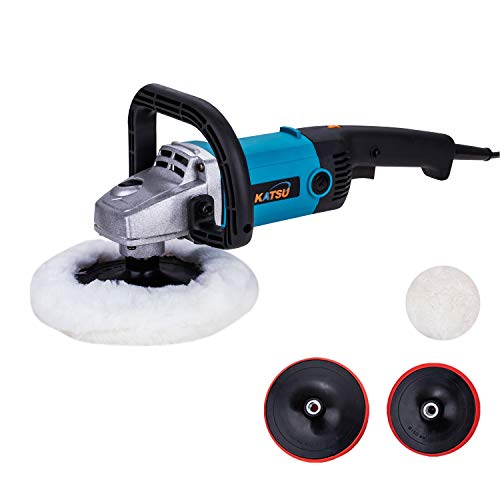
KATSU Car Polisher, 1200W 150mm 180mm Electric Car Buffer Polishing Waxing Machine, 6 Variable Speeds, Car Detailing with Wool Pad 100317
£39.99 -
KATSU Tools 1200W 6" Electric Rotary Car Polisher Sander, 6 Variable Speed
£39.99 -
KATSU Tools Random Orbital Polisher 800W 150mm 6 Inch – 6 Variable Speed, Dual Action Sander Polisher, Electric Car Buffer Polishing Machine for Car Detailing, 100052
£39.99 -
Makita DPV300Z 18V Li-ion LXT Brushless Sander/Polisher – Batteries and Charger Not Included
£169.53 -
Meguiar's Dual Action DA Car Machine Polisher Pad Kit MT320PADKIT with Pads, Black
£480.00 -
Polisher Storage Rack, Wall Hanger for Buffers & Rotary Polishing Tools
Original price was: £37.99.£36.99Current price is: £36.99. -
Protmex Car Buffer Polisher, 1600W 7/6 Inch Rotary Buffer Polisher Waxer, Car Buffers Polishers with 8 Variable Speeds, Random Buffer Polisher kit, Detachable Handle for Car, Boat, Polishing, Waxing
Original price was: £69.99.£65.99Current price is: £65.99. -
RAYBAO Car Polisher, 6/7Inch 1200W Rotary Polisher for Car Polishing/Waxing
Original price was: £59.97.£56.97Current price is: £56.97. -
Rotary Car Polisher Buffer Waxing Machine, 700W 3600RPM Car Polishing Machine, Variable Speed, 5’’ Self-adhesive Disc & 11x Polishing Pad & Towel for Car Polishing, Family Cleaning,etc.
Original price was: £19.99.£17.49Current price is: £17.49. -
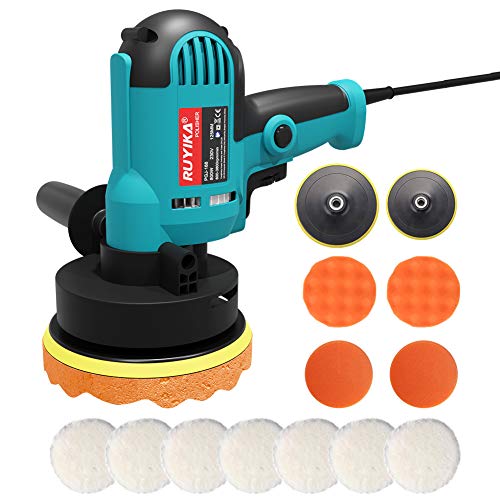
RUYIKA 5inch Electric Car Polisher 800W Buffer Polishing Machine Sander Pads Kit, 6 Variable Speed, 12Pcs Accessories
£31.99 -
Ryobi RDP18-0 18V ONE+™ Cordless Detail Polisher / Sander (Battery & Charger Excluded)
£109.88 -
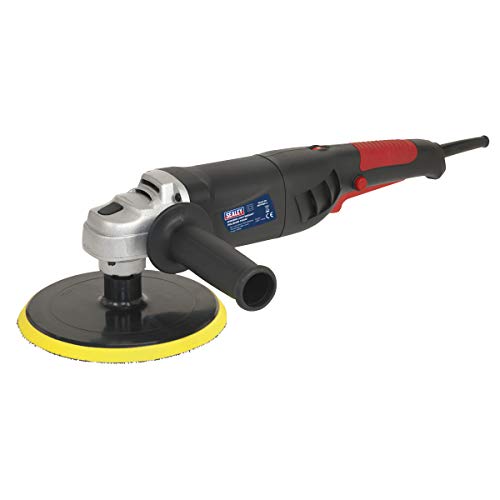
Sealey Er1700P Polisher 150Mm 800W/230V Lightweight
£84.17 -
Silverline 110W Orbital Car Polisher, Includes Synthetic Textile Bonnet and Synthetic Wool Bonnet, Multi-coloured – Multi-coloured
£40.20 -
Silverline 1200W Sander Polisher 180mm (264569), Blue
£64.97 -
SPTA Buffer Polisher, 3 Inch 10mm/780W Variable Speed Orbital Dual Action Auto Detailing Tool with DA Polishing Pads, Sanding Discs, Pad Conditioning Brush, Scratch Remover
Original price was: £93.49.£79.47Current price is: £79.47. -
TOPWAY Car Polisher Set 180mm and 150mm Electronic Variable Speed Angle Sander with Accessories
£47.99 -
VonHaus Dual Action Car Polisher Kit, Random Orbit Polishing Machine, 650W Car Buffer, D, Side & Rubber Handles, 6 Variable Speeds 2800-6000RPM, with 4 Polisher Pads, Cloth and Storage Case
£54.99 -
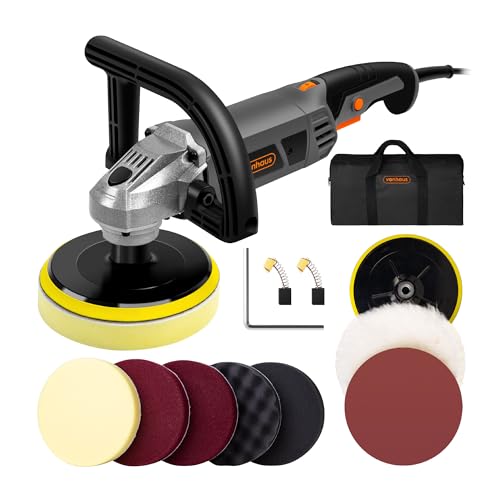
VonHaus Rotary Polisher and Sanding Car Buffer Machine, 1200W Variable 6 Speed 800-3600 RPM, D Handle, Polishing, Backing, Wool, Sanding Pads, for Cars, Furniture Buffing, Floor Waxing
£54.99







Choosing the best car polisher: UK buying advice
Finding the best car polisher UK drivers can use at home or in the workshop comes down to a few key choices. A machine takes the hard graft out of correction work and gives a deeper, more even shine than you’ll ever get by hand. Whether you’re removing swirl marks from family cars or finishing panels in an automotive bodyshop, the right type of tool and pad makes all the difference. Here’s what to look at before you buy.
Types: dual action or rotary
Dual-action (DA) machines spin and oscillate at the same time, so the pad never stays in one spot long enough to burn through the clear coat. That makes them the safest choice for beginners and for most enthusiasts. Rotary machines spin on a single axis. They cut faster and are the tool of choice for heavy defect removal and refinishing in bodyshops, but they build heat quickly and need practice to avoid holograms and burnt edges. Mini models with 50mm to 75mm pads are handy for pillars, mirrors and other tight areas.
Power, speed and weight
Motor ratings from around 700W to 1,200W cover most work, and a stronger motor is less likely to bog down under pressure. More important is a wide variable speed range, as low speeds spread product and high speeds do the cutting. A soft start stops compound slinging across the panel when you pull the trigger. Weight and balance matter on longer sessions, so check the design of the handles and whether the side grip can be swapped for a D handle.
Backing plate and pad sizes
Most full size machines take a 125mm or 150mm backing plate, with larger pads covering bonnets and roofs faster and smaller pads giving better control on curves. Check the spindle thread (M14 and 5/16 inch are common) and the orbit size on DA machines, as larger orbits correct faster but need more control.
Pads, compounds and the polishing steps
Pads come in different grades, usually colour coded. Wool and microfibre pads give the heaviest cut, a firm foam pad is a medium cut, and a soft foam pad is for light finishing and applying wax. A tried and tested approach is:
Prepare: wash, decontaminate and clay the surface so you’re not grinding dirt into it.
Correct: a cutting compound on a firmer pad to remove swirls and light scratches.
Refine: a finishing polish on a soft foam pad to refine the finish and bring up the shine.
Protect: seal the work with wax, sealant or a ceramic coating.
Matching compound to the job
Each step should use a lighter cut than the last. Heavy cut compound shifts deeper marks, a medium cut polish clears the haze it leaves, and a light finishing polish gives the top gloss. On softer paint, or on cars that only need a refresh, you can often skip the heavy cut altogether. Always test your pad and product combination on a small area first, and keep the pad flat to the panel.
Corded or cordless
Corded machines give constant performance for full details. Cordless models are lighter to move around the vehicle with no cable dragging across the paint, and if you already own batteries on one platform you can often buy the tool on its own. For an overview of building a battery kit, see our guide to building a cordless tool kit.
Polishers FAQs
Which car polishers are the best to buy?
For most people, a corded or cordless DA machine from a well known brand is the top choice, as it balances cutting power with safety. Professionals doing heavy correction every day often add a rotary machine too.
What is the best car polisher for beginners?
A dual action machine with a 125mm or 150mm backing plate and a good speed range. It’s forgiving, easy to control and very unlikely to damage the paint.
Can I use a drill with polishing pads?
You can for small jobs such as headlights, but a drill runs too fast and gets uncomfortable on full panels. Dedicated car polishers give much better control and a more even finish.
Can these tools be used on other surfaces?
Yes. With the right pads and products, car polishers also work on boats, caravans, metal and some stone surfaces. You’ll find related finishing tools in our sanders and power tools ranges.