Workshop
Compared on price, power and value, with prices checked daily against Amazon UK. Not sure where to start? Our buying advice is further down the page.
-

AutoBaBa 5 Tier Heavy Duty Boltless Garage Shelving Units – 150 x 70 x 30cm Adjustable Standing Shelving Metal Storage Shelves Racking Unit for Shed Warehouse Workshop Office, 875KG Capacity, Black
£22.13 -
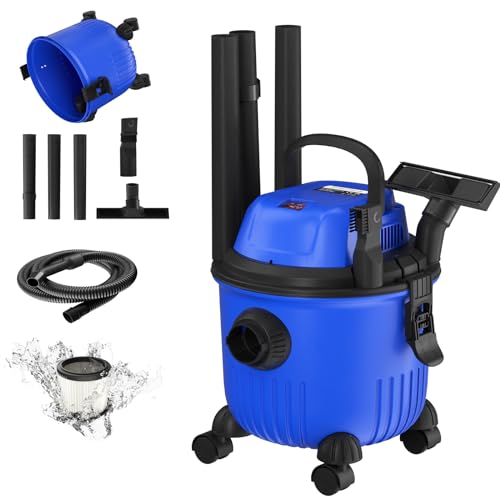
AUTOFU Wet and Dry Vacuum Cleaner 3-in-1 2000W, 15L Container Multipurpose Vacuum with Blow Function for DIY, Car, Garage, Workshop, Home, Full Accessories, With Power Take-Off, Corded, Blue
£23.85 -
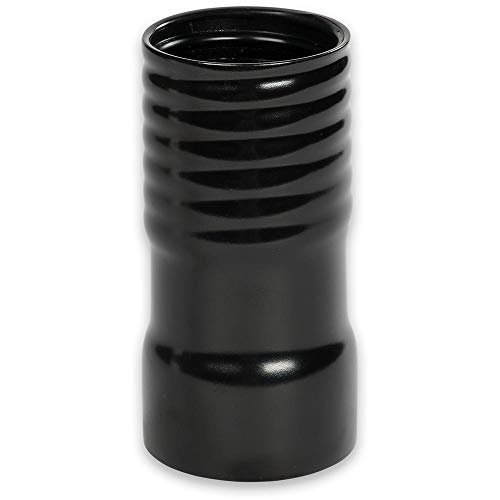
Axminster Workshop 63mm Flex Form Hose Kit
£19.98 -
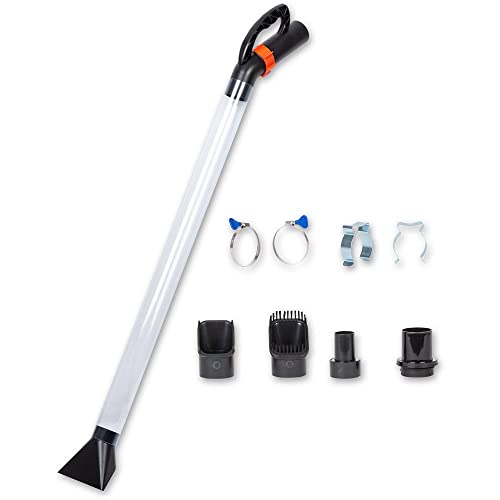
Axminster Workshop 63mm Floor & Bench Gulper Attachment
£47.68 -
Axminster Workshop 63mm-70mm Dust Extraction Cuff
£8.98 -
Axminster Workshop AW37E Dust Extractor – 230V
£169.98 -
Axminster Workshop AW50E 50L Portable Dust Collector – 230V
Original price was: £89.98.£69.98Current price is: £69.98. -
Axminster Workshop Hose Adaptor – 63mm to 100mm
£1.98 -
Axminster Workshop Joining Splice for 100mm Dust Extraction kit
£2.98 -
Axminster Workshop Modular 4-Step Fitting – 35mm to 100mm
£7.98 -
Axminster Workshop Multiple Stepped Hose Adaptor
£5.48 -
Axminster Workshop Quick Release Hose Fixing Clip – 100mm
£7.78 -
Axminster Workshop Stepped Hose Adaptor – 25mm to 100mm
£3.48 -
BADIKA Push Sweeper Spray dust removal sweeper Hand-pushed commercial small workshop floor dust removal sweeper
£1,491.83 -
Baoblaze Iron Pick up Sweeper Metal Cleaning Broom Yard Garage with Wheels Iron Pickup Lawn Sweeper for Industrial Workshop Shop Floor
£134.09 -
BiGDUG Garage Shelving Units: 2-4 Bay 178cm x 90cm x 40cm – 5 Tier Shelves for Storage – 875kg per bay – Boltless Workshop Shed Racking (Pack of 4)
£129.99 -
BiGDUG Heavy Duty Garage Shelving Unit – 600kg Per Shelf (2400kg Per Bay) – 177x200x45 cm – 4 Tier Storage Shelves – Blue – Shed Shelving
£169.99 -
BiGDUG Heavy Duty Garage Shelving Unit 3 Bay – 179x90x45 cm – 200kg UDL Per Shelf (1000kg Per Bay) – 3x Blue Storage Shelves – 5 Tier Shed Shelving
£119.99 -
BLUEMARS Fire Ash Vacuum Cleaner 1000W 20L – Industrial Ash Dust Extrator Bucket – Home & Workshop Cylinder Vacuum Cleaner -Ash Dust Collector For Fireplace,Woodworking,Fire Pits,Stoves and Chimineas
£54.99 -
Bond Hardware® 2 x 10" 3.00-4 Yellow Sack Truck Hand Trolley Cart Wheelbarrow Solid Rubber Wheel Tyre Tires 20mm
£19.99




Setting up a garage workshop that suits the way you build
A good garage workshop does not need to be big or expensive. It needs a solid surface to build on, somewhere sensible for everything to live, and a way to keep the floor clear of dust and offcuts. This collection brings together the pieces that make that happen: workbenches and garage workstations, pegboards and racking, trolleys and cabinets, plus the vacuums and extractors that keep the place clean.
Here is a simple way to plan your setup, whether you are kitting out a single garage, a shed or a corner of a unit.
Start with the bench
The bench is the centre of any garage workshop, so choose it first and plan everything else around it. Fixed workbenches with braced legs give the best stability for vice work, hammering and engine jobs. Mobile benches on locking castors suit smaller garages where the car still needs to fit. Folding benches and sawhorses are ideal for site jobs or as a second surface when a big project lands.
A standard height of around 85cm to 95cm suits most people, but adjustable legs are worth having if you do a lot of fine assembly. Check the maximum load rating too, and aim well above what you think you need if a vice or grinder will be fitted. Our work stations range covers fixed, mobile and folding designs.
Tops, frames and materials
Steel frames with a powder-coated finish are the standard choice for garages, as they take knocks and resist rust. Boltless designs are quick to put together and easy to change later. For the top, MDF is flat and cheap but does not like moisture. Solid timber and rubberwood handle impact better and can be sanded back, while engineered boards with a laminate finish sit in between and suit general use.
Storage and workshop furniture
Once the bench is in, think vertically. Wall mounted pegboard keeps hand kit in clear view and frees up the top. Shelving and racking take bulky cases and power tool systems, and cabinets or a rolling trolley keep smaller items out of the dust. Matching workshop furniture looks tidy, but there is no need to buy it all at once. Build the layout as you find out what you reach for most. For bigger chests and cabinets, read our chest buying guide.
Dust, clean-up and air
Sawdust, plaster and metal swarf get everywhere in a garage workshop, and fine dust is bad for your lungs as well as your finish. A wet and dry vacuum or a dust class extractor connected to your sanders and saws makes a huge difference. Browse our workshop vacuums for options from compact units to large commercial machines.
Indoor conditions, power and light
Most garages are cold and damp in winter, and moisture is the main threat to the durability of benches, timber and steel kit. A dehumidifier, a sealed floor and keeping MDF off bare concrete all help. Plan where your sockets are before you fix benches in place, and add good overhead lighting plus a task light at the bench. For outdoor or garden use, pick pressure treated timber or galvanised designs built to cope with the weather.
Garage workshop FAQs
What makes the best workbench for garage spaces?A stable frame, a top that suits your materials and enough load support for a vice. In a tight space, a mobile bench with locking castors is often the most useful choice.
So what is the best choice for a first setup?Start with a solid bench around 120cm wide, add a pegboard and some shelving above it, and get a decent vacuum. That covers most DIY and car jobs, and you can add cabinets later.
How much space do I need?A single garage is plenty for a well planned layout. Keep a clear path around the bench and use the walls for everything you can.