Tool Boxes
Compared on price, power and value, with prices checked daily against Amazon UK. Not sure where to start? Our buying advice is further down the page.
-

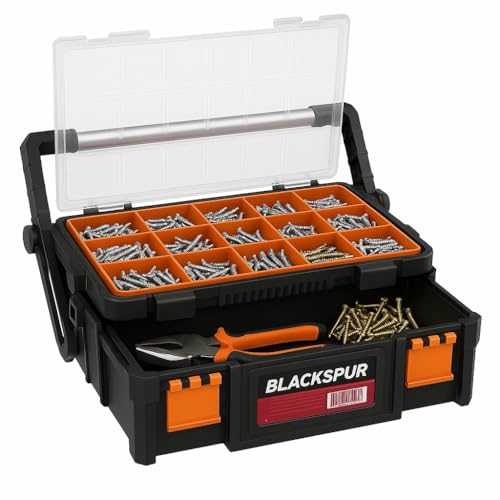
2 Tier 18'' Cantilever Tool Storage Box Organiser Carry Case Trays Screws Nails, Plastic Storage Folding Toolbox with Metal Carry Handle
£19.99 -
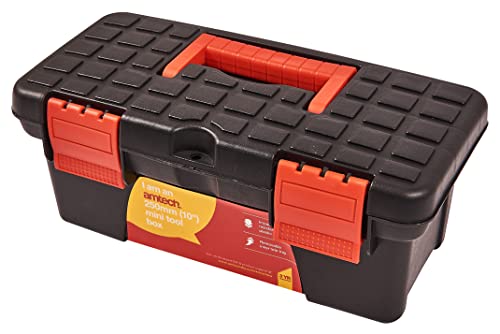
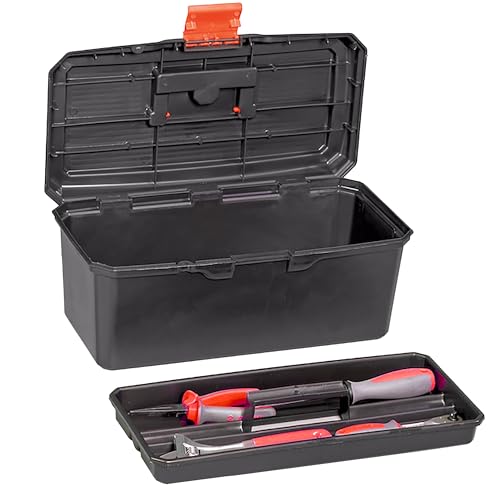
Am-Tech 10" Mini Small Plastic Tool Box With Removable Tray
£5.95 -
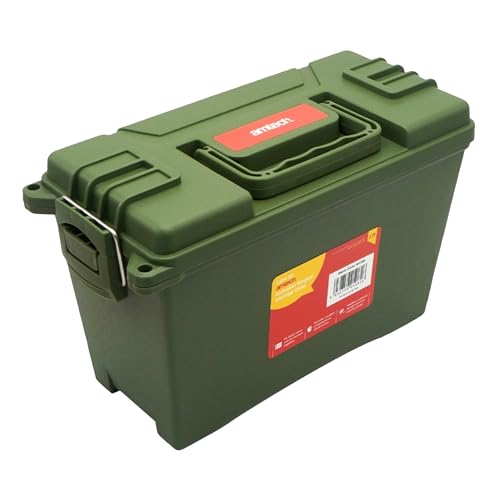
Amtech – Plastic Tool Box, Waterproof Storage Box with Twin Locking Points for Secure Storage, Durable Toolbox for Daily Use, Stackable Space-Saving Design, Maximum Capacity of 4kg/ 4.7L
£11.95 -
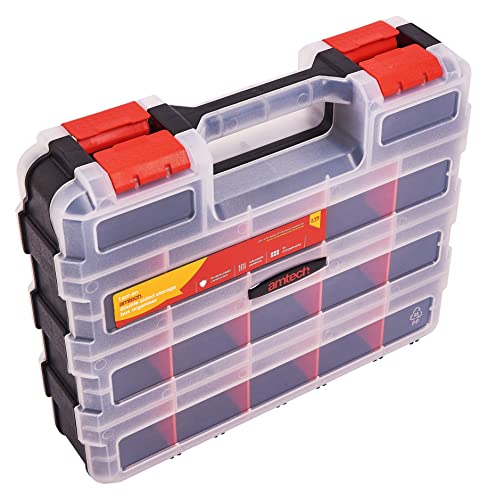
Amtech S6463 Double-Sided Storage Box Organiser, Screw Box, Assortment Box for Hardware, 34 Adjustable Compartments
£13.35 -
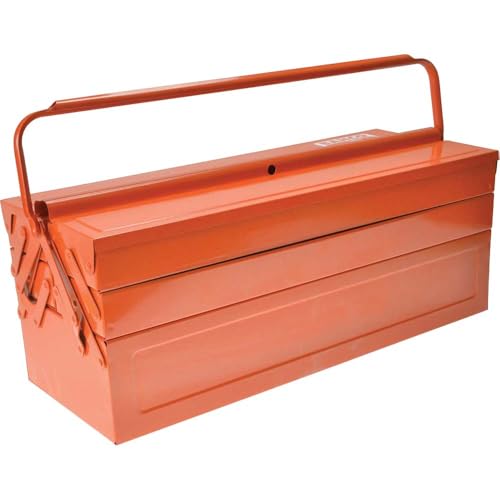
Bahco 3149-OR 5 Tray Cantilever Metal Toolbox Orange 530mm with Folding handle and padlock facility
£30.56 -
BH | 16L Plastic Storage Box with Lids and Handle | 16 Litre | 1 Pc | Clips | Stackable | Multi-Purpose for Home, Kitchen, Stationery, Tools, Crafts Household Essentials Versatile – by BEST HOUSE
£11.99 -
BH | 3 Pcs Tool Box Set | 16L + 10L + 6L | Stackable | Multi-Purpose | Plastic Storage Box with Yellow Lids | Durable Nestable Boxes Organizing for Home, Garden, Tool, Garage, Outdoor – by BEST HOUSE
£18.99 -
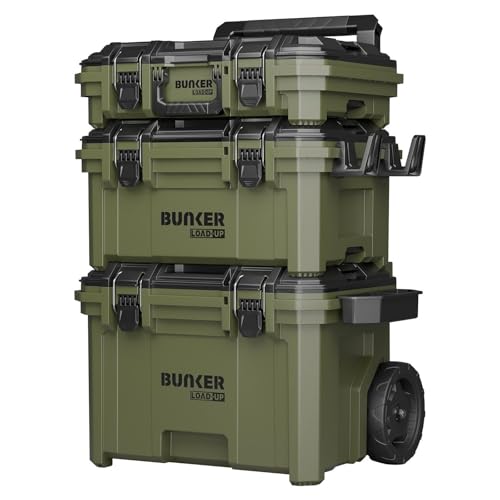
BUNKER Load-Up 9 Piece Rolling Tool Box System – Modular Storage Set
£218.95 -
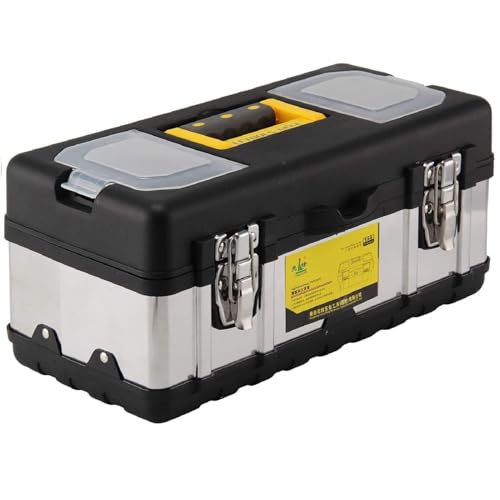
CROWNSHOP 17 Inch Metal Tool Box with Tray & Dual Latch Storage Case
£16.59 -
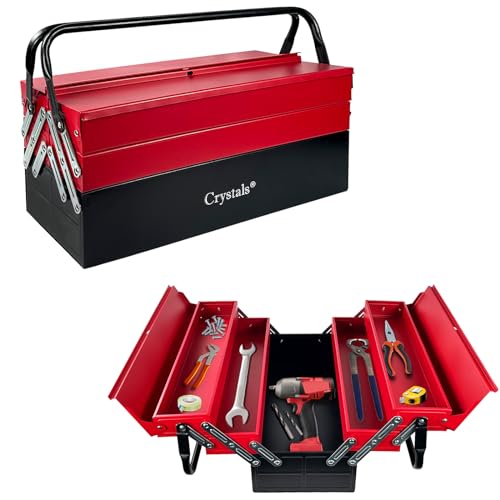
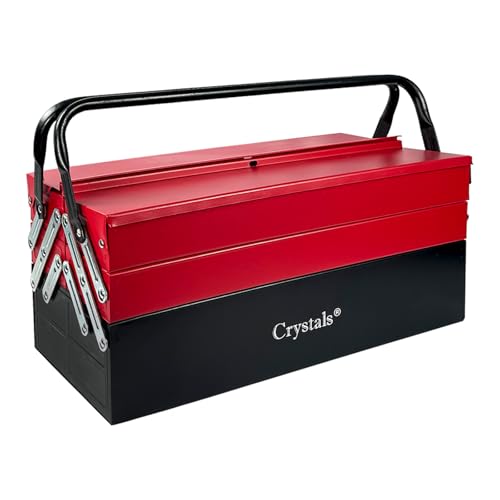
Crystals 3 Tiers – 5 Trays Metal Tool Box, Cantilever Organiser Storage Box for Garage Home Tools, Toolbox – Red (56 x 30 x 20cm)
£16.85 -
Crystals Tool Box Organiser – 3 Level Metal Tool Storage with 5 Trays – Cantilever Tool Box with Compartments – Portable Tool Organisers Garage, Red/Black
Original price was: £26.99.£24.99Current price is: £24.99. -
DANIEL JAMES Housewares Heavy Duty Storage Box with Lid – Large Plastic Stackable Storage Boxes with Clip Handles – Lockable BPA Free Indoor Outdoor Garage Storage Trunk Box – 3 Pack, Black, 42l
£32.99 -
Dekton 13'' Toolbox With Lift Out Carry Tray-13" (32cm)| Dimensions: 150mm X 320mm X 135mm| Ideal For Engineers, Workshops And Tool Storage| Durable Carry Handle| Durable Plastic Storage Solution
£6.99 -
DEWALT DS165 DWST83293-1 (ToughSystem 2.0, Small Tool Box for General use, IP65-dust-proof and Splash-Proof, max. Load Capacity: 50 kg
£39.98 -
DEWALT DWST08035-1 TOUGHSYSTEM 2.0 Deep Compact Toolbox
£49.99 -
DeWalt DWST1-70703 TSTAK II Power Tool Storage Twin Pack T4TKIT-842
£34.90 -
DEWALT DWST1-70705 T-Stak III Tool Storage Box with Drawer, Yellow/Black, 17.6 cm*44.0 cm*31.4 cm
Original price was: £33.03.£25.00Current price is: £25.00. -
DeWalt DWST1-70706 T-Stak IV Tool Storage Box with 2-Shallow Drawers, Yellow/Black, 44 x 31.4 17.6 cm
Original price was: £29.99.£25.00Current price is: £25.00. -
DEWALT DWST1-71228 Tstak Tool Carry Tote Tool Box
Original price was: £32.40.£23.69Current price is: £23.69. -
DEWALT DWST82968-1 TSTAK™ Watersealed Organiser
£25.98





Choosing the right tool boxes for work and home
Tool boxes do a simple job: keep your kit together, protect it and make it easy to carry from the van to the work area. With so many sizes, materials and systems to compare, it helps to know what you are looking for before you add one to your basket. Whether you are sorting a first DIY tool kit or replacing a cracked case on a busy site, the key questions are the same: what will it hold, how far will you carry it and how much abuse will it take?
What are tool boxes used for?
At their most basic, tool boxes hold hand tools such as screwdrivers, spanners, pliers, hammers and tape measures in one place so nothing goes missing. Larger heavy duty tool boxes take power tools, batteries and cutting tools too. Mechanics often keep a socket set and spanners in a steel top box, while electricians and joiners tend to prefer lighter plastic cases they can carry up ladders and stairs. Most people use them when working away from a fixed bench: on site, in the van, on a call-out or around the house.
Plastic, steel or aluminium
Plastic: light, cheap and resistant to rust and dents. Modern polypropylene cases are surprisingly tough, and many have weather seals for site work. Ideal for most trades and DIY users.
Steel: stronger and more secure, with a powder coating to protect against rust. Steel cantilever boxes are a classic choice for mechanics. They are heavy when full, so size and weight matter.
Stainless steel: the best corrosion protection, often used in marine and food industry settings, but at a higher price.
Aluminium: a good balance of strength and low weight, often used for flight-style cases that protect test equipment and delicate items.
Modular systems and trolleys
Stacking systems such as DeWalt TSTAK and ToughSystem, Makita Makpac and Stanley FatMax Pro-Stack let you clip several cases together and wheel them on a trolley base. A modular system makes moving a full set of kit easy, and the easy manoeuvrability of a wheeled stack saves your back on long walks from the car park. The trade-off is cost: you are buying into one brand, and boxes from different systems will not lock together. If you are already using one brand of power tools, it often makes sense to match it.
Features to compare
Latches and locks: metal latches last longer than plastic ones, and padlock eyes help keep your kit secure on site.
Organisers: removable inserts and adjustable dividers in the lid keep small items sorted and stop them rattling around.
Seals: an IP-rated seal keeps out rain and dust, which is key if your tools live in an open truck or on scaffolding.
Handle and side grips: a full-width top handle and side handles make a heavy load easier to lift.
Durability: check the hinge design and wall thickness. Heavy duty industrial cases are built for regular drops and daily use on professional sites.
Some boxes come as a tool set with tools included. That can be good value for a starter tool kit, but check the quality of the pieces before you commit, as the case is often better than the tools inside. Our hand tools buying guide covers what is worth buying.
Getting the most from your tool box
Do not overfill it. A box that is too heavy to lift with one hand gets left in the van, which defeats the point. Keep one box per job type, such as a plumbing kit, an electrical kit or a fixing kit, so you can grab the right one and go. Give the hinges and latches a regular clean and a drop of oil to keep them working smoothly. For bigger collections, a tool cabinet or tool bag may suit better, and our tool chest buying guide explains the step up to roller cabinets. You can see every option in our tool storage range.
Tool boxes FAQs
What size tool box do I need?For a basic household kit, a 16 to 19 inch box is plenty. Trades carrying power tools usually need a deep case or a stackable system with two or three boxes.
Are metal tool boxes better than plastic?Not always. Steel is stronger and more secure, but heavier. Good quality plastic is lighter, will not rust and handles knocks well, which is why most site boxes are now plastic.
Are stacking systems worth it?If you move a lot of kit every day, yes. If you only carry a few hand tools, a single box or bag is simpler and cheaper.