Spanners
Compared on price, power and value, with prices checked daily against Amazon UK. Not sure where to start? Our buying advice is further down the page.
-

55 Sport Football & Rugby Stud Spanner – Hexagonal/Tri-Tooth
£9.00 -
Accjzzlyn Football Boots Rugby Studs Track Spikes Wrench, 2 PCS Aluminum Dual Interface Football Studs Spanner, Professional Shoe Spikes Replacement Tool for M5 Soccer Shoes
£2.99 -
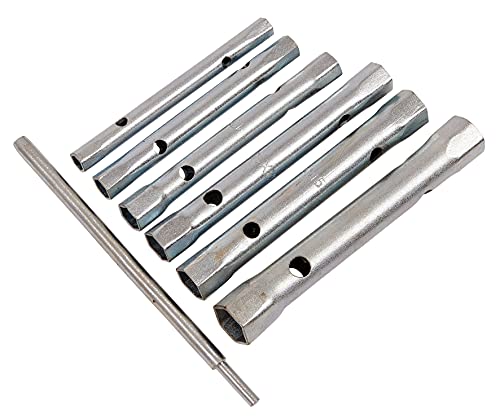
Amtech 6 pc Box Spanner & Tommy Bar Set (6 17 mm), Double-Ended Satin Finish Spanners with 150 mm Bar for Tight-Space DIY & Automotive Work
£7.35 -
Bahco 9031 Ergo Adjustable Wrench 8″ 200mm Extra Wide Jaw Opening 38mm
£23.95 -
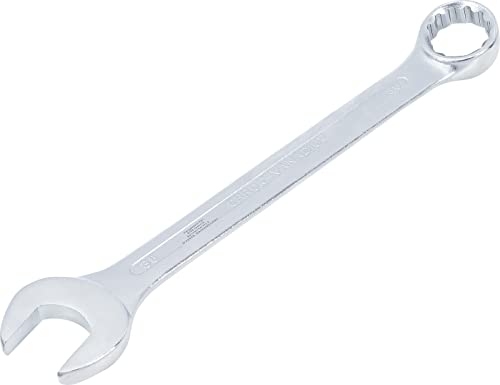
BGS 1074 | Combination Spanner | 24 mm
£6.07 -
BGS 1086 | Combination Spanner | 36 mm
Original price was: £11.22.£10.48Current price is: £10.48. -
BGS 34224 | Single Open End Spanner | DIN 894 | 24 mm
£5.56 -
Blue Spot 05216 14 mm Fully Polished Chrome Vanadium Spanner
£3.87 -
Blue Spot 5236 24 mm Fully Polished Chrome Vanadium Spanner
£6.19 -
Blue Spot Tools 05102 10mm Ratchet Spanner, Flexible Head 180°, Chrome Vanadium Steel, 5° Fine Ratchet Action, Polished Finish
Original price was: £7.99.£6.60Current price is: £6.60. -
Calor Gas Brand Lightweight Propane/Butane Bottle Gas Spanner
Original price was: £5.13.£4.86Current price is: £4.86. -
Draper 03890 Expert HI-TORQ Metric Ratchet Combination Spanner, 17mm, Black
£15.96 -
Draper 35310 9/16-Inch AF Combination Spanner
£5.82 -
Draper Redline 10 to 17mm Combination Spanner Set | 6 Piece Chrome Vanadium Steel Hand Tools | Metric Manual Plated Tools | 68479
£7.99 -
Draper Redline 10mm Combination Spanner | Chrome Vanadium Steel Hand Tool |Metric Manual Plated Tools | 68032
£6.08 -
DURATECH 11-inch (280 mm) Basin Wrench, Sink Wrench, Adjustable Tap Nut Spanner, Capacity of 3/8" (10 mm) to 1-1/4" (32 mm) for Fixing Back and Union Nuts Under Sink
£12.99 -
FACOM 4-in-1 Ratcheting Wrench Set, 2 pcs, 8–19 mm, 72T Reversible, 64C.J2PB
£49.95 -
Faithfull FAIAS150C Contract Adjustable Spanner 150mm
Original price was: £10.33.£5.90Current price is: £5.90. -
Faithfull SPAC13 13mm Combination Spanner CV Satin Finish
£3.74 -
Goodyear 15mm Spanner- Chrome Vanadium Steel| Precision Engineered for Tightening and Loosening Nuts and Bolts| Durable & Corrosion-Resistant Wrench| Essential Hand Tool for Mechanics
£4.60






Choosing individual spanners for the job in hand
Most of us start with a kit, then find the gaps. A 13mm goes missing, a job needs a wide jaw for a tap connector, or you need something slimmer for a brake line. Buying single spanners lets you replace or upgrade exactly what you need at a fair price, and it is the easiest way to keep your hand tools complete. Here is a quick guide to the main types and where each one works best.
Common types of spanners
Combination spanners: an open jaw on one side and a closed ring on the other. The everyday choice for cars, bikes and machinery.
Open-ended spanners: two sizes per tool, good for quickly running fasteners down and for pipe fittings where a ring will not pass over.
Ring spanners: fully enclosed heads that grip on all sides, giving the most torque with the least risk of slipping.
Ratchet spanners: a ratcheting ring that saves you lifting and repositioning, ideal in limited access spots such as engine bays. Flexible heads add extra reach.
Flare nut spanners: a slotted ring for brake and fuel pipes. Flare nut spanners grip soft unions without rounding them off.
Box spanners: tubular spanners turned with a tommy bar, used for immersion heaters, basin taps and waste fittings.
Crow’s foot spanners: foot spanners fit a ratchet or torque wrenches to reach fittings that a socket cannot.
Adjustable wrenches: one tool that covers a range of sizes. Wide jaw versions are popular with plumbers.
Sizes and fit
Most modern products use metric sizes, with 8mm, 10mm, 13mm, 17mm and 19mm the most common on cars. Older British vehicles and some machinery still need imperial sizes. Always use the exact size, as a loose fit will round corners. If you find yourself working with lots of sizes, a spanner set or combination spanner set will usually save money compared with shopping for each one, and a ring spanner set is a handy backup for heavy jobs.
Quality and finish
Look for drop-forged chrome vanadium steel with clear size marking. A polished or satin finish is easy to wipe clean, and an offset ring gives knuckle clearance. Budget tools are fine for occasional use, but trade-quality spanners have tighter jaw tolerances and last far longer, so the price difference is often worth it.
Working safely
Pull rather than push, and keep your hand clear in case the tool slips. Adjust an adjustable wrench so the jaws are snug, and turn it towards the fixed jaw. Never extend a handle with a scaffold tube, and avoid locking pliers on anything you want to reuse.
Spanners FAQs
What is the difference between spanners and wrenches?In the UK, spanners are fixed-size tools and wrenches usually means adjustable or pipe wrenches. In the US, they are all called wrenches.
Spanners vs wrenches: which tool wins where?A fixed spanner is best for grip and fit. Adjustable wrenches are easy to carry when you are not sure what sizes you will meet. Sockets are quicker on exposed bolts, and our socket set guide explains when to use each.
Do I need a torque wrench as well?For wheels, engines and anything with a set figure, yes. Our torque wrench buying guide helps you choose. Browse the full hand tools selection to keep your kit together.