Screwdriver Bits
Compared on price, power and value, with prices checked daily against Amazon UK. Not sure where to start? Our buying advice is further down the page.
-

Saxton 24x PZ2-25mm Impact Duty Pozi-Drive Screwdriver Drill Driver Bits Sets Tic Tac Box Compatible with Dewalt Milwaukee Bosch
£8.49 -
Saxton 48 x PZ2 25mm Impact Duty Pozi-Drive Screwdriver Drill Driver Bits Set + Bit Holder in Tic Tac Box
£14.99 -
Shockwave™ Impact Duty Bits PH2 x 25mm (Pack 25)
£9.46 -
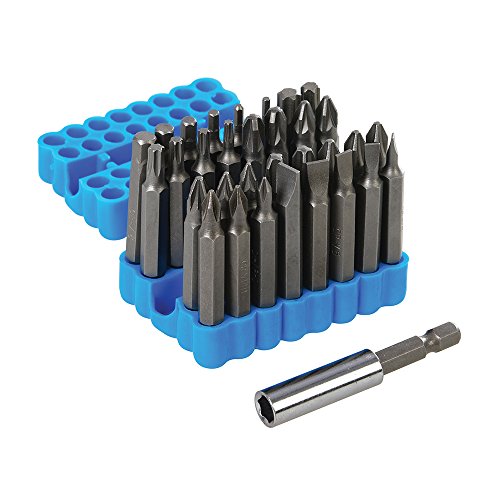
Silverline 456967 33 Piece Screwdriver Bit Set
£10.87 -
Silverline 633840 Screwdriver Bit Set 100pce 100pce
Original price was: £11.50.£7.50Current price is: £7.50. -
SOL 32pk Screwdriver Bit Sets – Carbon Steel Impact Driver Bits, Hex Drive
£5.99 -
Stanley Fat Max Screwdriver Bit Adaptorx125Mm-Black, STA165490
£7.20 -
Stanley STHT0-70885 Multi Bit Screwdriver Set (35-Piece), Yellow/Black
Original price was: £15.99.£14.98Current price is: £14.98. -
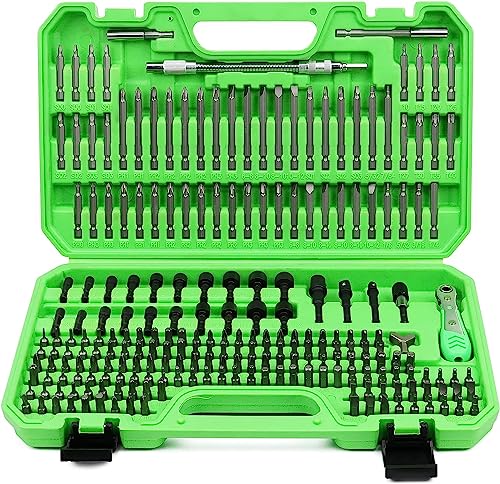
SWANLAKE 232PCS Ultimate Screwdriver Bit Set,Chrome Vanadium Steel Driver Bit Set, includes Security Bits,Nut Driver, Ratchet Wrench and Bits Holder
Original price was: £29.99.£27.99Current price is: £27.99. -
Wera 05072401001 Phillips Extra-Tough Bits 851/1 Z PH2 x 25 mm, Pack of 10
£4.91 -
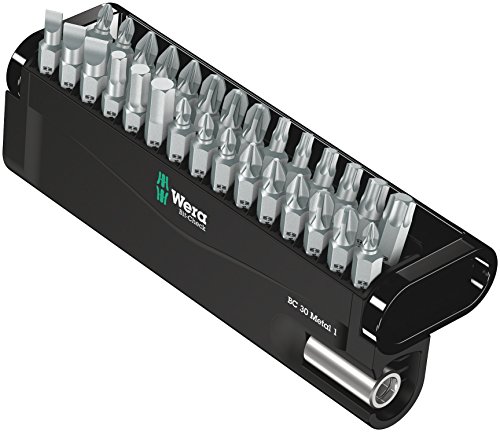
Wera Bit-Check 30 PH, PZ, TX, SL, Hex, Metal 1, 30PC – 05057434001
Original price was: £19.99.£19.13Current price is: £19.13. -
WojBear 10Pcs Magnetic Flat Head Impact Driver Bits, 75 mm Long Slotted Screwdriver Bits, SL3*2 SL4*4 SL5*4 SL6*2
£8.99






Choosing the right screwdriver bits
A worn or wrong-sized bit is the main reason screws cam out, heads strip and fixings go in crooked. Good screwdriver bits are cheap compared with the time they save, and matching the bit to the screw and the tool makes every fixing faster and neater. Here is what to look for, whether you are a tradesperson driving hundreds of screws a day or a DIYer putting up shelves.
Know your drive types
Pozidriv (PZ): the standard for most wood screws sold in the UK. PZ2 is the size you will use most, with PZ1 and PZ3 for smaller and larger screws.
Phillips (PH): looks similar but has a different profile. It is common on plasterboard screws, electrical fittings and imported furniture. Using a PZ bit in a PH screw, or the other way round, is a common cause of cam-out.
Torx (TX): increasingly popular for decking, structural and timber frame screws because it grips well and rarely slips. T20, T25 and T30 cover most jobs.
Hex, slotted and security bits: for machinery, older fittings and tamper-proof fixings on appliances and public fittings.
Impact rated or standard
If you use an impact driver, buy impact rated bits. They are made from tougher steel with a torsion zone that flexes slightly to absorb the hammering, so they last far longer and are less likely to snap. Standard bits are fine in a drill driver or hand screwdriver, but they wear quickly under impact. Our impact driver vs drill guide explains the difference between the two tools.
Length, holders and extensions
25mm insert bits are the most common and need a bit holder. 50mm to 90mm power bits fit straight into an impact driver and reach into recesses more easily. A magnetic bit holder holds the screw on the tip, which makes one-handed work and overhead fixings far easier. Extensions and flexible shafts help in tight spots such as cabinets and between joists.
Sets or bulk packs
A mixed set with PZ, PH, Torx and hex sizes in a case is the best place to start, and handy to keep in the van or kitchen drawer. Once you know which sizes you get through, buy bulk packs of those, usually PZ2 and T25. It is cheaper and means you can swap to a fresh bit as soon as one starts slipping. For more on putting together a kit, see our hand tools buying guide.
Making bits last
Push firmly in line with the screw, use the correct size, and let the clutch or impact do the work. Replace a bit as soon as the tip looks rounded; carrying on just damages screw heads. Keep bits in a holder or case rather than loose, where they rust and get mixed up.
Screwdriver bit FAQs
What is the difference between PZ2 and PH2?Pozidriv has extra small ribs between the main cross, which gives a better grip in Pozidriv screws. They look similar, but using the wrong one causes slipping and stripped heads.
Do I need impact bits for a drill driver?Not essential, but they do last longer in any tool. For an impact driver they are a must.
Will bits from one brand fit another brand’s tool?Yes. Almost all bits use the standard 1/4 inch hex shank, so they fit any modern drill driver, impact driver or bit holder.
See the wider power tool accessories range, or browse socket sets for nut and bolt work.