Pipe Cutters
Compared on price, power and value, with prices checked daily against Amazon UK. Not sure where to start? Our buying advice is further down the page.
-
2Pcs 42mm&32mm PVC Pipe Cutter,SK5 Steel Bladeund Deburring Pen Reamer
Original price was: £5.59.£4.47Current price is: £4.47. -
42mm PVC Pipe Cutter, Heavy Duty Ratchet Pipe Cutter
Original price was: £8.98.£7.98Current price is: £7.98. -

Adjustable Mini Tube Cutter Alloy Plastic Pipe Cutter Pipe Cutting Tool for Copper Pipe, Stainless Steal Tubing, Metal, Brass(3-22mm)
£4.89 -
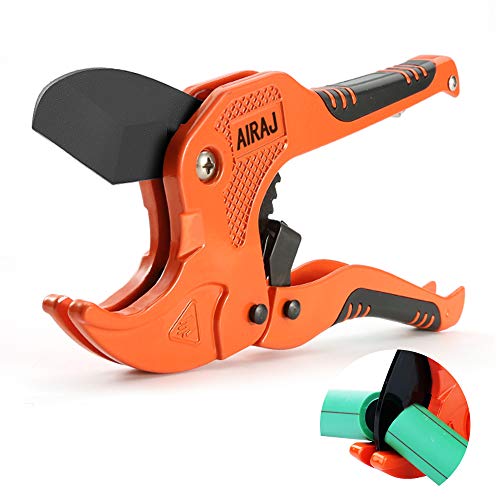
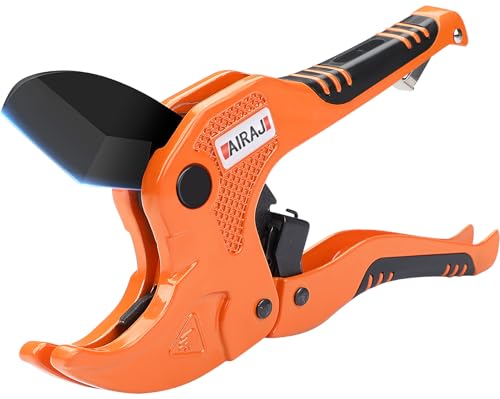
AIRAJ Plastic Pipe Cutter, PVC Cutter Ratchet Type Pipe Cutter,for Cutting Outer Diameter 42 mm PEX, PVC and PPR Plastic Hoses Premium Plastic Pipe Shear, Suitable for Household, Maintenance Workers
£9.99 -
AIRAJ Ratchet Plastic Pipe Cutter | Cuts up to 42mm PEX,PVC,PPR Plumbing Pipes | Waste Pipe Cutters with Sharp SK5 V-Blade,Quick Penetration | for Household Water Supply & Drainage Maintenance
£9.99 -
Amtech – Mini Pipe Cutter, Compact Body with Dual Flare Groove Rollers, Clean Cuts in Tight Spaces, for Copper, Brass, Aluminium & Plastic Microbore Pipes, 1/8"–7/8" (3–22mm)
Original price was: £4.99.£4.61Current price is: £4.61. -
Amtech – Plastic Pipe Cutter, Lightweight Aluminium Body, Smooth Cutting for Plastic Tubing and Conduits (34mm)
£6.56 -
Amtech C0270 28mm Copper Pipe Cutter, Self-Locking One Hand Operation for Confined Spaces, Self-Adjusting, Zinc Alloy Tube Cutter
£9.85 -
Automatic Pipe Cutter – Pipes Slicer, Copper 15Mm | Adjusting Locking Cutting Slice Tube Plumbing Hand Tool, Household DIY Plumbers Accessory, Strong & Durable
£5.99 -
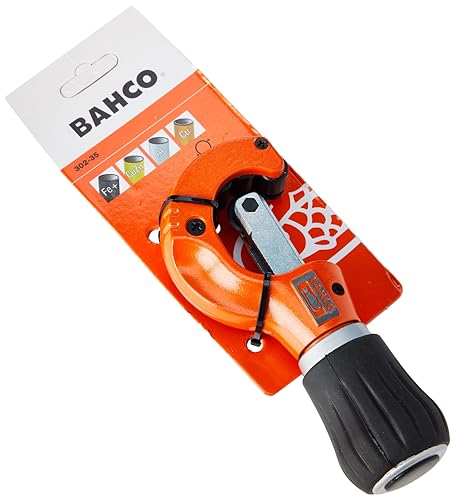
Bahco 302-35 Adjustable Pipe Slice/Tube Cutter 8-35mm Copper Steel
Original price was: £21.35.£20.50Current price is: £20.50. -
Bahco 306-10 Pipe Slice Tube Cutter, Black/Orange, 10 mm
£15.99 -
Bahco 306-PACK 2 Piece Tube Cutter Pipe Slice Twin Pack 15 & 22mm
£29.99 -
Bahco BAH30122 3-22 mm Tube Cutter, Bronze
Original price was: £26.39.£17.95Current price is: £17.95. -
BLOSTM Copper Pipe Cutter Set of 2-15mm Pipe Cutter & 22mm Pipe Cutter
Original price was: £12.99.£10.19Current price is: £10.19. -
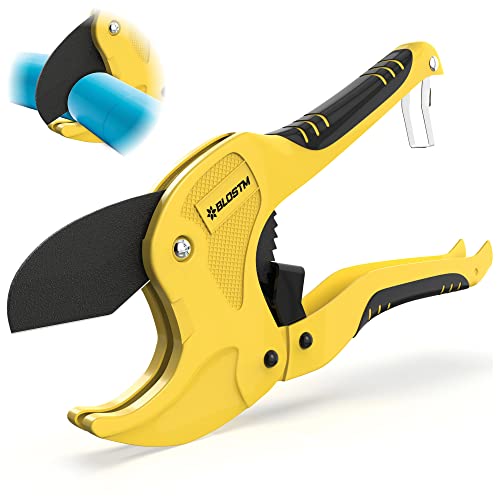
BLOSTM Plastic Pipe Cutter – Heavy Duty Ratchet Pipe Cutters (Yellow)
Original price was: £11.49.£10.99Current price is: £10.99. -
Blue Spot 09311 42 Millimetre Ratchet PVC Pipe Cutter
Original price was: £7.98.£7.01Current price is: £7.01. -
Brake Pipe Flaring Tool Set + 3 in 1 Tubing Bender + 3/16"x 25ft/7.6m Brake Line with 16 Fittings + 1 Tube Cutter, Brake Line Flaring Tool, Ideal for Vehicle Brake Systems, Air Conditioning Systems
£32.99 -
C.K 430001 PVC Pipe Cutter, 195 mm L
£29.95 -
Dickie Dyer 838586 Pipe Cutter 6 – 35 mm
£18.08 -
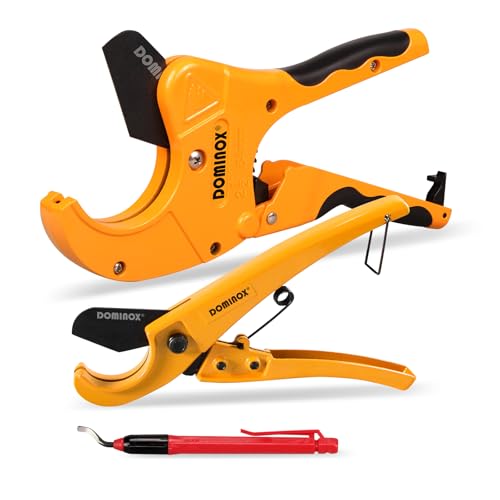
DOMINOX Plastic Pipe Cutter, 64mm (O.D.) +26mm+Deburring Tool (3 Set)
£21.99








Choosing the right pipe cutters
The right tool gives you a square, clean end that slides straight into a joint, which is something a hacksaw rarely manages. Whether you are a plumber running new heating and water services or tackling a home improvement project such as moving a radiator to the other side of a room, it makes the job quicker and the joints far more reliable.
Types and what they suit
Adjustable tube types clamp round the tube with a sharp, hardened wheel and are turned and tightened a little at a time. They handle copper, brass, aluminium and thin stainless steel, typically up to 28mm or 35mm for domestic work.
Slice types are made for one diameter, usually 15mm or 22mm. They are small enough for awkward spaces, such as between joists or close to a wall where there is little space to swing anything, and plumbers rate them highly for that reason.
Ratchet shears cut plastic, PEX, PVC and multilayer tube with a single squeeze, leaving a square end with no swarf.
Heavy duty and chain types are designed for steel, black iron and exhaust tube, where a standard wheel would struggle.
How to cut copper pipe cleanly
Cutting copper pipe is one of the easiest plumbing skills to learn. Measure and mark the length, then open the jaws, place them over the mark and tighten until the wheel just bites. Rotate once or twice, tighten a quarter turn, and continue round, repeating until it parts. Don’t be tempted to crank it down hard, as that can squash the tube out of round. Going slowly gives a better, rounder end than forcing it in one go. Finish by removing the internal burr with a deburring tool or the reamer built into many models, and clean the outside with wire wool if you are soldering. A burr left inside sometimes causes noisy water flow and can damage O-rings in push fit joints.
What to look for
Check the range against the pipework you work on most, based on your usual jobs. Quality wheels and a smooth feed screw make a real difference, as a worn wheel won’t track straight. Spare wheels are cheap and worth keeping in the van. For general DIY, an adjustable model plus a 15mm slice will cover most of the house. If you have not done it before and want to get started, it is easy to practise on an offcut first, and watching a short how-to video shows the details of the technique far better than any amount of reading. Experience soon tells you how much pressure is needed.
Pipe cutters FAQs
What can I use to cut a copper pipe? A tube cutter is best for the job. A fine toothed hacksaw works at a pinch but needs more time spent filing the end square and removing burrs, so it isn’t ideal where the joint matters.
Can I cut copper with a reciprocating saw? You can, especially in demolition, but the end will be rough and may be distorted. For anything you plan to joint, use a proper wheel type.
How do I cut black pipe? Black iron and steel gas or heating pipe needs a heavy duty wheel cutter, a hacksaw or a power saw. Any work on gas services must be done by a Gas Safe registered engineer.
What is the lifespan of copper pipes? Copper plumbing typically lasts many decades, and in good water conditions often 50 years or more.
Once you are ready to join and fit, see our plumbing tools, or browse the full hand tools range.