Log Splitters
Compared on price, power and value, with prices checked daily against Amazon UK. Not sure where to start? Our buying advice is further down the page.
-

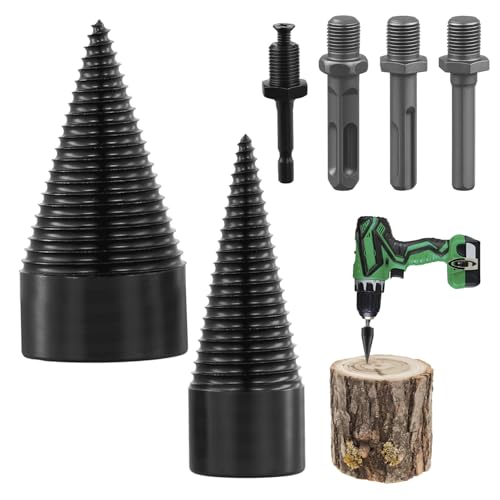
Heavy Duty Wood Splitter Drill Bit – 32MM & 42MM, Log Splitting Drill Bit for Electric Drill
£23.99 -
Hyundai 7 Tonne Horizontal Electric Log Splitter with Hydraulic Ram & Steel Safety Cage, 250mm Split Capacity – Powerful Electric Wood Splitter for Logs & Firewood
£314.99 -
Jerxiero Log Wood Splitter Drill 45mm + 32mm with 4pcs Handles/Shanks, 6Pcs Splitting Cone Bit Set Screw Cones Wedge Cut Tool Firewood Heavy Duty Bits Electric Hand
£20.68 -
KATSU 12 Ton Manual Hydraulic Log Splitter with Wheels Heavy Duty Wood Splitter Firewood Splitting Machine 331251
£219.99 -
Kindling Cracker King – XL Log Splitter – Sturdy Recycled Cast Iron Kindling Splitter. Manual & Compact Kindling Splitter. XL Logs Splitter For Firewood For All Types Of Logs. Fireplace Accessories
£169.00 -
Kindling Cracker Original Log Splitter. Sturdy Manual Log Splitter. Made From Recycled Cast Iron. Compact Design. Wood Chopper For Kindling Wood. Log Splitters For Firewood Fireplace Accessories
£119.00 -
Kindling Splitter Log Splitter Wood Wall Mounted for Efficient Splitting
£45.99 -
Lazy-Log Electric Log Splitter 7 Ton – Safety Guard – Heavy Duty – 1500w Motor – 520mm Log Length
£304.95 -
Lfhelper Firewood Kindling Splitter, Carbon Steel Kindling Splitter Log Splitter, Wall Mounted Wood Splitter for Logs, Home & Outdoor Use
£36.00 -
Log Splitter 7 Ton Hydraulic 3L Electric 2200 Watt Motor Wood Timber Cutter Axe 2 Blades Duoblade | 520mm Max Log Length
£359.99 -
Logmaster Foot Operated Heavy Duty Log Splitter, Manual Wood Cutter for Splitting & Cutting Timber (Green)
£64.99 -
Manual Wood Log Splitter, Wall Mounted Firewood Kindling Splitter with Screws, Portable Firewood Kindling Splitter with Replaceable Handle for Home Indoor Outdoor Camping Use (Extended)
£42.99 -
Marco Paul 5pc Knight Fireside Companion Set Heavy Duty Steel Companion Sets For Log Burners Fireplaces Hard Wearing Black Fire Poker Set Fireplace Tool Sets Long Lasting Fireplace Accessories
Original price was: £45.99.£39.99Current price is: £39.99. -
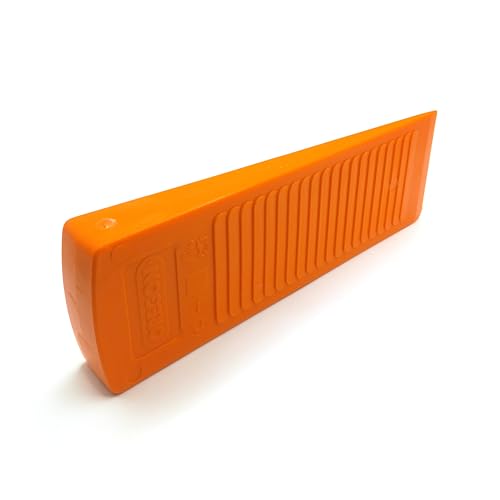
Oregon 19cm Professional Plastic Tree Felling Wedge
£16.90 -
Pack of 2 Firewood Drills – Drill Cone Wood Splitter 42 mm & 32 mm Cone Splitter Splitting Drill Bit with 3 Drill Handles
£23.50 -
Platinum PLS5H 5 Ton Hydraulic Electric Log Splitter With Wheels, 2000W Motor 5 Tons Pressure, Safety Shut-Off & Cage Guard. Logs Upto 52cm in length & 25cm Diameter. – 2 Year Guarantee
£249.99 -
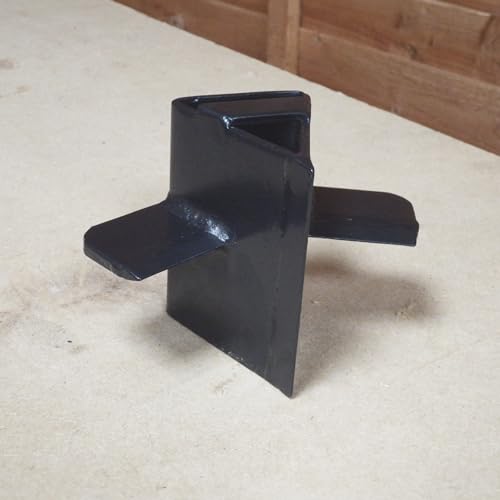
Platinum PLSWEDGE 4-Way Log Splitter Wedge for Platinum PLS5H 5 Ton & PLS7HWS 7 Ton Horizontal Log Splitters. Log Splitting Wood Kindling.
£19.99 -
Pro Kindling Splitter Wall Mounted, Manual Log Splitter for Firewood
£49.99 -
QWORK 6 Count Wood Splitting Drill Bit Set, 42mm & 32mm Drill Bits with 4 Handle Types, Cone Wood Splitter for Electric Hammer
£11.98 -
QWORK® 4 Pack 6" Tree Felling Wedges – Non-Slip Barbed Scales, High-Impact ABS Plastic, High-Visibility – Log Splitter Wedge for Safe Tree Cutting
£10.99






Choosing the right log splitter
If you run a log burner or stove, a splitter takes the hard graft out of preparing fuel for winter. The right size depends on the logs you burn, how many you get through and where you will work. This guide explains the main types available, how much splitting force you really need and the safety features to check before you buy.
Types of log splitters
Hydraulic log splitter (230V): The most popular choice for home use. A motor drives a hydraulic ram that pushes the log onto a blade. Most domestic models run on 230V mains, with motors typically around 1500W to 2200W, so they plug into a standard socket. They are quiet, need no fuel and can be used close to the house. Many sit on a stand or have wheels so you can work at a comfortable height.
Petrol log splitters: These use a small engine, often around 212cc and 7hp, to drive a larger hydraulic pump. They offer more power and work anywhere, which suits woodland, smallholdings and large volumes. They are heavier and noisier and need servicing like any other engine.
Kinetic log splitter: Instead of a slow ram, a kinetic model uses a flywheel to store energy and release it in one fast stroke. They split very quickly and suit high-volume work, but they cost more and need careful handling.
Manual tools: Splitting mauls, wedges and sledgehammers still have a place, especially for knotty pieces. A hand log splitter for kindling, usually a cast iron frame with a fixed blade, lets you split small pieces safely by tapping them down with a mallet. Screw-cone drill bit attachments are also available, though they need a powerful drill and care to use.
How many tonnes do you need?
Splitting force is measured in tonnes, and it is the key figure to compare.
4 to 5 tonne: Small, seasoned softwood logs up to around 25cm diameter.
7 tonne: The best all-round size for home use. A 7 tonne splitter handles most seasoned hardwood and softwood logs from the garden or a local supplier.
8 tonne to 10 tonne: Larger or knottier logs, green timber and regular heavy use.
12 tonne and above: Mostly petrol or tractor-mounted units for professional and estate work.
Check the maximum log length and diameter as well as the tonne rating, as a 7 tonne model with a short ram will not take long rounds.
Safety features to look for
Splitters are powerful machines, so safety matters. Look for two-handed operation, which keeps both hands away from the blade during the split, along with a log guard, a stable stand or table and a clear hydraulic oil level indicator. Wear gloves, safety boots and eye protection, keep children and pets well away, and never try to split nailed or painted timber. Our chainsaw accessories range has sawhorses and wedges to help with cutting logs to length first.
Log splitters FAQs
Is it worth buying a log splitter? If you burn more than a few loads a year, yes. It saves time and effort compared with a maul, and it is far safer for most people. For occasional use, hiring one for a weekend is an option.
What is the best log splitter for the money? For most homes, a 230V hydraulic model rated at 7 tonne offers the best balance of price, power and size. Read a few owner reviews and check spares are easy to get before you choose.
What size is best for home use? A 5 to 7 tonne electric model on a stand suits most households. Go to 8 tonne or petrol if you process large volumes or hardwood straight from the tree.
For more on keeping machinery in good order, read our maintenance guide or browse the wider Lawn & Garden range.