Wire Brushes
Compared on price, power and value, with prices checked daily against Amazon UK. Not sure where to start? Our buying advice is further down the page.
-

MIVITOOM Wire Brush Set of Heavy Duty Steel Brush with Ergonomic Handle, 2pcs Wire Brushes for Cleaning Rust and Heavy Dirt, Grey,black
£7.99 -
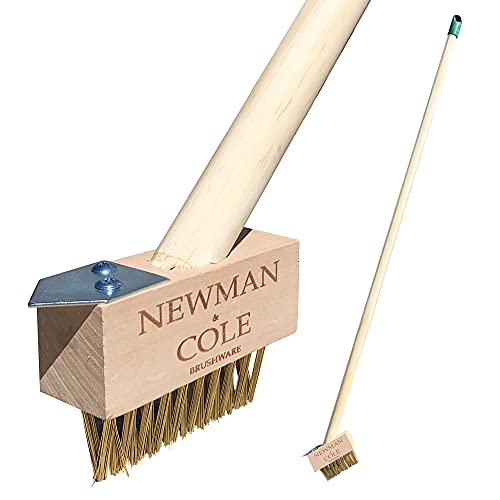
Newman and Cole Wire Broom Head and Handle – 12" Stiff Metal Bristle Deck Scrub Brush for Heavy Duty Removal of Weed Moss & Algae on Patio (Head and Handle)
£18.99 -
Pack of 3 Copper Wire Brush, Metal Brush with Plastic Handles for Paint
£3.27 -
ProDec 10 inch Soft Grip Wire Brush, 4 High Density Rows of Steel Wire
£5.50 -
PURDY 140910100 Short Handle Wire Brush 11 inch
Original price was: £8.00.£7.00Current price is: £7.00. -
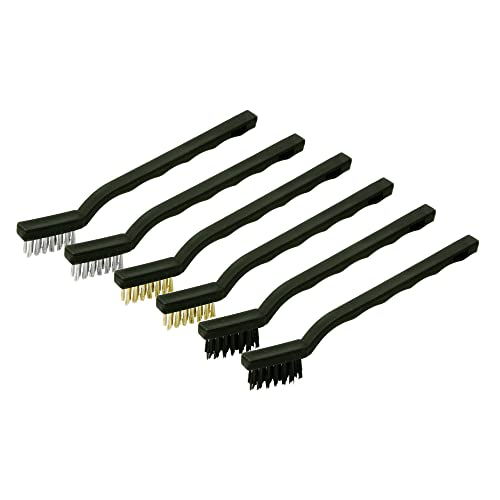
Rolson 42836 6 pc Wire Brush Set
Original price was: £6.29.£5.99Current price is: £5.99. -
Roughneck ROU52005 Ultra slim wire brush set – 3 piece
Original price was: £8.76.£5.78Current price is: £5.78. -
Roughneck ROU52012 Wide Wire Brush Set – 3 Piece
£6.89 -
Roughneck ROU52042 Heavy Duty Wire BrRoughneck Heavy Duty Wire Brush with Scraper (300mm) – High-Performance Cleaning Tool with Carbon Steel Bristles & Soft Gripush With Scraper
Original price was: £6.43.£5.18Current price is: £5.18. -
Roughneck ROU52044 10-Inch Shoe Handle Wire Brush Soft Grip
£7.93 -
Roughneck ROU52050 Heavy Duty Tapered Block Wire Brush
Original price was: £9.48.£6.78Current price is: £6.78. -
Roughneck ROU52070 Plastic Deck Wire Brush Without Handle, Multicolour
Original price was: £10.36.£8.95Current price is: £8.95. -
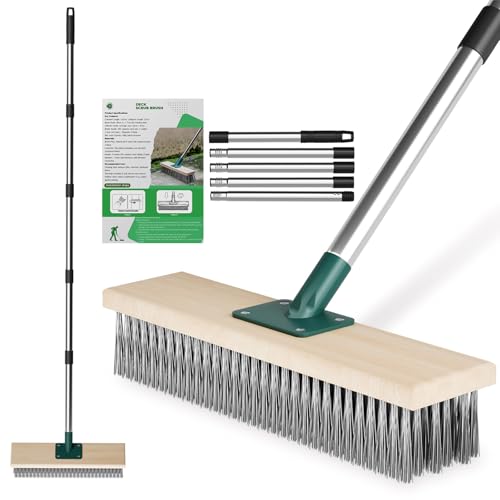
Scalnuvyyh Heavy Duty Wire Broom Outdoor Garden Broom with 57" Long Handle, Yard Patio Brush Stiff Metal Bristle Wire Brush for Removing Weed Moss, Floor Scrub Brush for Patio, Deck, Garden, Garage
Original price was: £14.99.£13.99Current price is: £13.99. -
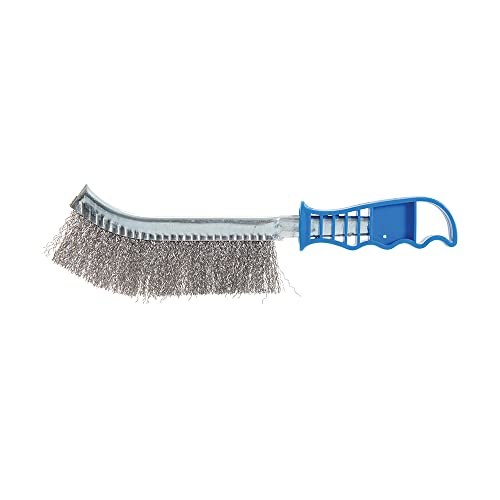
Silverline Steel Wire Brush Steel (369742)
£5.99 -
Stainless Steel Wire Brush Set, 9 Brushes for Cleaning Small Parts, Brass, Copper, Steel/Nylon Against Welding Slag, Rust
Original price was: £11.99.£10.99Current price is: £10.99. -
TIVOLY XT20251006170 Ergo Metal Brush with Plastic Handle and Stainless Steel Wire – Green – 26 cm
£3.73 -
Tomoyuki 6 Pieces Wire Brush for Rust Removal, Cleaning Brush Tool
£6.38 -
Ultimate Wire Brush Set, Includes x2 Rust Remover Wire Bristle Long Stiff Hand Brush, x1 Hand Block Metal Brush, x1 Dual Handle Large Steel Brush, x6 Small Wire Brushes for Cleaning Rust & Heavy Dirt
£23.99 -
Weed Brush Long Handle for Cleaning Patios, Block Paving and Driveway − Patio Remover Tool with Angled Wire Bristles, 120cm Blade Scraper to Remove Weeds Moss Build-Up
£9.97 -
Wire Brush Cup Wheel Drills Set 20 Piece Wire Brush Kit Power for Drill 1/4 Inch Arbor Brass Coarse Carbon Crimped Cleaning Rust, Stripping, Abrasive and Attachment
£16.99







Wire brush buying guide: choosing the right wire brushes
Wire brushes are versatile tools, and picking the right ones saves a lot of elbow grease. They are used for cleaning, removing corrosion and old paint, surface preparation before painting or welding, deburring cut edges and clearing moss and dirt from patios and concrete. The filament material, head shape and whether you work by hand or on a power drill all make a difference.
Filament materials
Carbon wire filaments: stiff and aggressive, ideal for heavy scale and flaking paint on iron, but they can mark softer metals.
Stainless steel wire: resists corrosion and will not leave carbon particles behind, so it suits stainless, aluminium and welding work where contamination matters.
Brass filaments: softer, suitable for delicate surfaces, cast iron cookware and spark plugs, and less likely to spark.
Nylon and plastic: the gentlest choice for light cleaning on wood, plastic and painted surfaces.
Types of wire brushes
Hand brushes come in various shapes. Long scratch brushes with wooden or plastic handles cover large areas, block brushes give a firm two-handed grip, and slim detail brushes reach into corners and threads. Patio and deck brushes on long handles are designed to remove weeds and moss from between paving and concrete slabs.
Power brushes fit drills, angle grinders and rotary kits. Cup brushes tackle wide flat areas quickly, a wheel works well on edges and welding seams, and end brushes reach tight spaces. Crimped wires give a lighter, flexible action, while twisted or knotted wires are far more abrasive for heavy stripping. Twisted cup brushes are the common choice for fast removal on larger jobs. Always check the maximum speed and arbor size, and read our angle grinder safety guide before fitting a cup or wheel to a grinder.
How to select the right one
Match the filaments to the job and the materials underneath. Use carbon wire on iron, stainless on stainless, and softer filaments or nylon where scratching is a worry. Coarse, thick wires work faster, while fine wires leave a smoother finish on metal surfaces. A sturdy handle and well anchored filaments matter on hand brushes, as cheap ones shed quickly. If you are looking for flexibility, a mixed set gives a variety of options for different tasks, including household, garden and industrial cleaning.
Wear eye protection and gloves, especially with power brushes, as loose filaments can fly off at speed. For more workshop cleaning and prep kit, browse our hand tools range or read the hand tools buying guide.
Wire brushes FAQs
What are different wire brushes used for? Carbon wire brushes clear scale and paint, stainless brushes clean welds and stainless surfaces, brass brushes suit delicate metals, and long handled brushes clear patios and concrete.
Do wire brushes scratch metal? Stiff filaments can scratch softer metals and polished finishes. Use brass or nylon on delicate surfaces, and test in a hidden spot first.
How do I clean a dirty wire brush? Tap out loose debris, soak the head in warm soapy water or degreaser, work the filaments with an old toothbrush, then rinse and dry fully before storing.