Tiling Tools
Compared on price, power and value, with prices checked daily against Amazon UK. Not sure where to start? Our buying advice is further down the page.
-

PRICE BEATER Pro Ceramic Glass Tile Nipper – Heavy Duty 8 inch Tile Cutter/Nipper/Pliers | 200mm Professional Tile Cutting Tool for Glass, Mosaic & Ceramic Tiles
£10.99 -
Professional Tiling Set Grouting Tiles Sponge Float Bucket Trowel DIY
£52.49 -
QWORK® Tile Levelling System, Tile Levelling Tool, Tile Wedges Tile Installation Tools, red
£6.99 -
RUBI | 5mm Tile Leveling Wedges | Wedges for Tiling | Ceramic Tile Fixers | Easy Fitting and Removal | Wedges 3/16" (5MM.)- (B-250 U.)
£4.95 -
Ryobi RAK05MT Multi-Tool Tiling Accessory Set (5 piece)
£38.99 -
Saker Contour Gauge Profile Tool(25cm)-Adjustable Lock-Precisely Copy Irregular Shape Duplicator,Woodworking Tracing, Must Have Tool for DIY Handyman, Christmas Gifts for Men, Stocking Fillers
£21.99 -
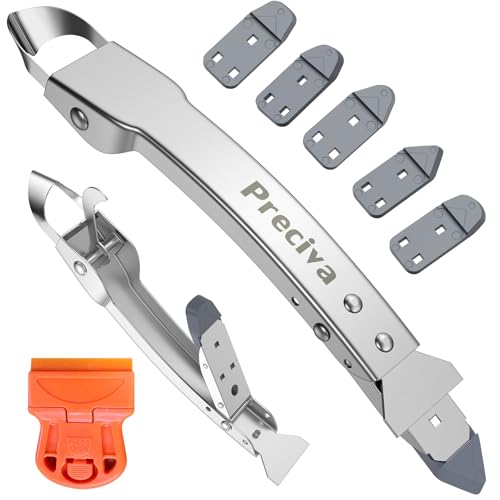
Sealant Finishing Tool, Preciva Silicone Caulking Tools Kit, Sealants Removal Grout Scraper and Smoothing Toolkit with Stainless Steel Head for Home, Kitchen, Bathroom, Tank, Window, Sink Joint
£13.69 -
Silverline Combination Squeegee Spreader 125 x 95mm – 6mm Teeth (380251)
£3.75 -
Silverline Economy Grout Float 230 x 100mm (868717)
£3.80 -
Stainless Steel Ruler Set 12 In (30 CM) + 6 In (15 CM), Metal Rulers Kit
Original price was: £7.99.£6.99Current price is: £6.99. -
Tile Cutter, KATSU 31 Inch 800mm Professional Manual Tile Cutter with Single Slide Rail and Laser Guide, Aluminiun Base, for Precision Cutting Porcelain Tiles 347753
£112.40 -
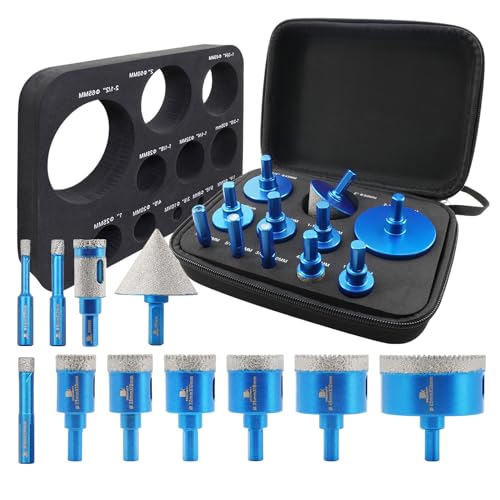
Tile Hole Saw Kit Diamond- BRSCHNITT 11pcs Diamond Core Drill Bit for Porcelain Tile Ceramic Marble Granite Drilling Triangle Shank
£69.99 -
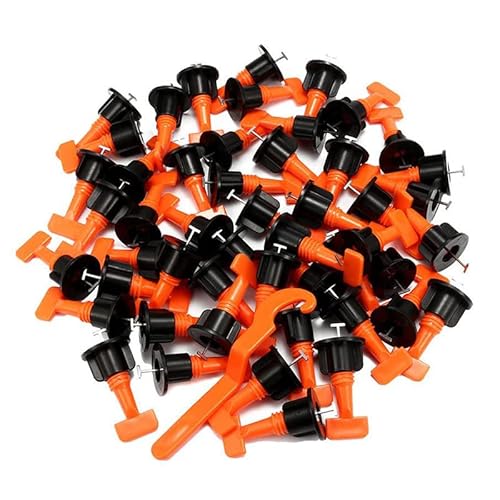
Tile Leveling System 100pcs Orange Tile Spacer and 2 Special Wrenche Reusable Tile Installation Tool Kit for Stone Installation for Building Walls & Floors
£11.99 -
Tile Leveling System Kit 2mm, 300pcs Tile Spacer Clips and 100pcs Reusable Wedges with 1pc Tile Leveling Pliers, Tile Levelling Tool Kit for Floor Wall Ceramic Tile and Stone Installation
£16.90 -
Tile Levelling System spacers 2 mm 200 Clips + 100 Reusable twisters I 3 – 22 mm Tile Thick SHAFFER PRO tiling Tools Tile Laying aid for Floor Tiles wall Tiles Installation, Tiling kit
£35.89 -
Tile Spacer Punch: Effective tiling Tool! Knock in Those Hard to Remove Tile spacers. No Chipped Tiles, No Split spacers. Safer Than Using a Metal Edged Tools
£3.99 -
Tile Spacers 2mm Slab Spacers Plastic Cross Shaped,for Accurate Tile Positioning DIY Paving Tiling Garden Slabs Wall Tiler,200 Pieces
£2.59 -
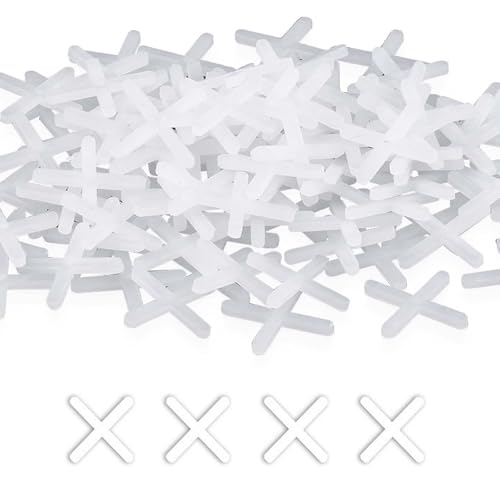
Tile Spacers 3mm – ShiningUU 500 Pcs Cross Shaped Plastic Gasket Spacers | Tiling Tools for Bathroom/Wet Rooms | UK Ceramic Tile Lnstallation for Fixing Mat Tile Leveling(White)
Original price was: £5.09.£3.99Current price is: £3.99. -
Tile Tools Stainless Steel Square Notched Trowel Set 3 PC (Notch Size: 5/32" & 5/16" & 1/2") Masonry Hand Kit for Wall Floor Tiling Installation
Original price was: £19.19.£15.93Current price is: £15.93. -
Tile Vibration Tool Compatible with Dewalt 18V/20V Battery, Cordless Handheld Tile Vibration Leveling Tiling Machine with 8 Speed and Digital Display for Floor Tile Wall (Battery Not Included)
£37.99








Choosing the right tiling tools
Good tiling comes down to three things: flat, well-spread adhesive, clean accurate cuts and even joints. The right tiling tools make each of those easier, whether you are doing a kitchen splashback over a weekend or laying large format porcelain on a floor for a living. Here is what each part of the kit does and what to look for.
Tile cutters and cutting machines
A manual score and snap cutter is the workhorse for straight cuts in ceramic and most porcelain. Check the rail length against the biggest tile you will cut, including diagonal cuts, and look for a tungsten carbide scoring wheel and a solid breaking foot. Single rail cutters are compact, while dual rail models stay rigid on longer cuts. Large format tiles need a long rail model or a track-style system.
For notches, L-cuts and thick or hard tiles, electric tile cutting machines with a water-cooled diamond blade give the cleanest finish. Many fitters also keep a 115mm diamond disc on an angle grinder for quick shaping and cut-outs around pipes, and a spare 115mm diamond blade is a sensible addition to any set of general tiling tools. See our guide on how to select angle grinders, and always follow angle grinder safety advice as they are unforgiving tools.
Drilling and finishing
A diamond drill bit or diamond core bit is the safest way to drill porcelain and glazed tiles for taps, sockets and fixings. Run each bit slowly, keep the bit cool with water or wax, and never use hammer mode. Dry diamond bits are handy for small holes where water is a nuisance. For the edges of porcelain or stone, diamond polishing pads take off sharp corners and tidy up grinding marks after a cut. Use polishing pads in order, from coarse to fine, for a smooth edge.
Trowels, adhesive and levelling
The notched trowel controls how much tile adhesive goes on, so match the notch size to the tile. Small tiles need a fine notch, while large tiles need a deep notch, typically 10 to 12mm, for full coverage. Mix adhesive with a paddle in a drill rather than by hand, as lumps leave voids that crack later.
Tile spacers keep joints consistent, and a levelling system with clips and wedges or caps stops lippage between neighbouring tiles. That matters most on large format floors and tiles over 600mm, where even a small lip catches the light. A rubber mallet, spirit level and straightedge round out the setting kit.
Grouting, trims and prep
Grout comes in white, grey, black and plenty of shades between, so choose the type that suits the room. Grout floats with a firm rubber face push grout into the joints and scrape off the excess. A pointed float helps with tight corners. After grouting, a sponge and clean water handle the cleaning, followed by a dry cloth to buff off haze. Finish edges with trims in a material and colour that suit the tiles, as good trims give a neat, protected corner, and seal joints between tiles and baths or worktops with silicone and a profiling tool.
Preparation matters as much as the tiles. In wet areas, use cement backer board or a waterproof tanking system before tiling, and fix backer boards with the right screws and washers. Quality tiling products online vary a lot, so stick with recognised brands for adhesive and grout. A contour gauge, knee pads and a decent bucket make the job easier on your body, and cleaning tools straight after use keeps them working. Browse the full range of products here, plus our trowels and buckets and tubs, or the wider hand tools section.
Tiling tools FAQs
What tiling tools do I need for a first job? A notched trowel, manual cutter, spacers, spirit level, grout float, sponge and bucket will get most small wall jobs done. Add a diamond drill bit if you need to drill through tiles.
Can manual tile cutters handle porcelain? A good quality cutter with a sharp wheel handles most porcelain. Very thick, textured or large format tiles are easier with tile cutting machines that use a water-fed diamond blade.
Do I need a tile levelling system? Not for small tiles, but it is well worth it for floors and any tile over around 300mm, where lippage shows up easily.