Sprayers
Compared on price, power and value, with prices checked daily against Amazon UK. Not sure where to start? Our buying advice is further down the page.
-
Paint Sprayer
Original price was: £33.99.£25.99Current price is: £25.99. -
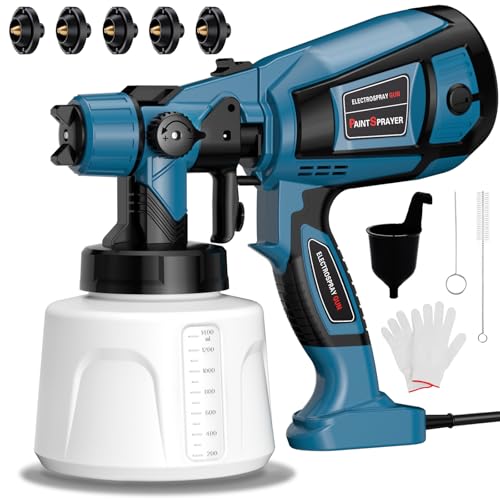
Paint Sprayer 850W HVLP Electric Spray Paint Gun 1400ml High Capacity Container Easy to Clean 4 Nozzles and 3 Patterns for Furniture Cabinets Fence Walls Door DIY Works Chairs
Original price was: £25.99.£19.79Current price is: £19.79. -

Paint Sprayer for Walls and Ceilings 1000W: 1200ml DEKOPRO HVLP Fence Spray Paint Gun with High Capacity Container,Easy to Clean,for House Painting,Furniture,Cabinets, Walls, Door, Garden Chairs etc
£27.99 -
Paint Sprayer Gun 700W HVLP: DEKOPRO Electric Spray Paint Gun, Easy to Clean for House Painting Furniture Cabinets Fence Walls Door Garden Chairs, 4 Nozzles and 3 Patterns Red
£19.99 -
Paint Sprayer HVLP 700W, Electric Fence Paint Gun with 4 Nozzles & 3 Patterns, Cleaning & Blowing Joints, 1200ml, Easy to Use for Furniture, Wall, Door, Cabinets, DIY
£39.00 -
Paint Sprayer, 700W HVLP Electric Spray Gun, 1200ML Container, 1000 Ml/Min with Cleaning & Blowing Joints, 4 Nozzles & 3 Patterns, Adjustable Flow, for Home, Furniture, Walls & Fence, etc.
£22.76 -
Paint Sprayer, 800W Electric Paint Spray Gun with 1400ML Container, Fence Paint Sprayer with 5 Nozzles and 3 Patterns for Walls and Ceilings, Garden Fence, Cabinet, Furniture
£32.36 -
Paint Sprayer, 800W Fence Paint Sprayer with 1400ML Container, Paint Spray Gun with 5 Nozzles and 3 Patterns, HVLP Electric Spray Gun for Fence, Sheds, Cabinet, Walls, Furniture, Ceiling
£19.99 -
Paint Sprayer, 800W HVLP Electric Spray Gun with 1400ML Large Container, 5 Copper Nozzles & 3 Spray Patterns, Adjustable Flow up to 1200ml/Min, for Walls, Ceilings, Fence, Cabinets & DIY Projects
Original price was: £29.99.£27.83Current price is: £27.83. -
Paint Sprayer, 800W Paint Spray Gun with 1400ML Container, Fence Paint Sprayer with 5 Nozzles and 3 Patterns, HVLP Electric Spray Gun for Garden Fence, Cabinet, Walls, Furniture
£28.99 -
Paint Sprayer, 850W HVLP Electric Spray Gun with 1400ML Paint Can, 4 Nozzles & 3 Patterns, 3 Spray Modes, Adjustable Flow, Fence Paint Sprayer for Garden Sheds, Furniture, Fences, Walls (B)
£9.99 -
Paint Sprayer, 850W HVLP Spray Gun with 1400ml Detachable Container, Electric Paint Sprayers with 4 Nozzles & 3 Patterns – Portable Spray Guns Perfect for Fences, Sheds, Walls, Garden
£69.99 -
Paint Sprayer, Ovshnrr 800W & 1400ML Electric Spray Gun, 3 Spraying Modes Electric Paint Gun with 5 Copper Nozzles for Walls, Fences, Wood and Ceilings (Blue)
£29.99 -
Paint Sprayer,800W HVLP Paint Spray Gun,1400ml Electric Paint Gun with 4 Nozzles and 3 Patterns,For Furniture, Cabinets, Fence, Walls, Door, Garden Chairs
Original price was: £35.99.£33.00Current price is: £33.00. -
Paint Sprayer,800W HVLP Paint Spray Gun,1400ml Electric Paint Gun with 4 Nozzles and 3 Patterns,For Furniture, Cabinets, Fence, Walls, Door, Garden Chairs(orange)
Original price was: £28.79.£27.19Current price is: £27.19. -
Sunowl Paint Sprayer, 800W HVLP Electric Spray Gun with 1400ML Container 5 Nozzles and 3 Patterns, Paint Sprayer for Walls and Ceilings, Home Interior and Exterior, Fence
£26.99 -
Tilswall Electric HVLP Paint Sprayer Shark800, Spray Gun for Fence and Shed
£54.44 -
Tilswall Fence Paint Sprayer 800W, Electric HVLP Spray Gun, Blue 1300ML
£49.99 -
Tilswall Paint Sprayer, Ultra Light Fence Paint Sprayer Gun with 4 Nozzle Sizes, 3 Sprayer Patterns Ideal for Fences, Sheds,Garden, Furniture, Walls and Ceilings
£32.42 -
TOPALL Paint Sprayer,850W 32000PRM 1400ML HVLP Upgraded Spray Gun Paint with 5 Nozzles and 3 Patterns, Paint Sprayer for Fences and Sheds,Sheds, Cabinet, Walls, Furniture, Ceiling(Blue)
£32.00






Choosing the right paint sprayers for your project
A sprayer can turn a weekend of fence painting into an afternoon, but only if you pick the right type for the job. The products on this page range from small handheld units for furniture and sheds up to airless machines that can coat a whole room or a long run of fencing. Here is how to work out what suits your needs.
Handheld HVLP and XVLP sprayers
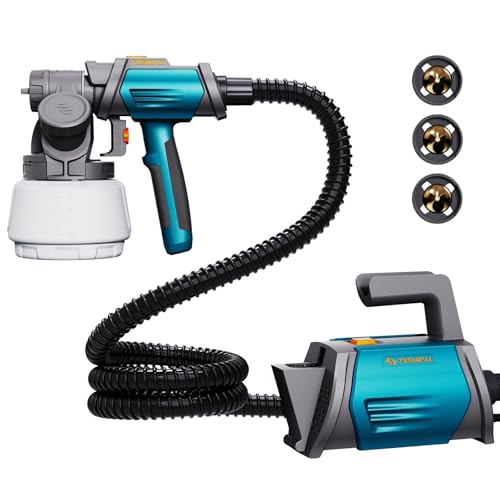
Most of the products listed here are turbine units. They use a high volume of air at low pressure to atomise the coating, which gives good control and less overspray than older guns. XVLP is Wagner’s name for its own version of this turbine technology. These are suitable for fences, sheds, decking, furniture, doors and the odd wall. Coatings usually need thinning to a set viscosity, and most kits include a viscosity cup to help you get it right.
Airless sprayers
An airless sprayer pumps coating at high pressure through a small tip, with no air at all. Airless spray covers large areas fast, handles thick emulsion with little or no thinning and gives a very even finish, which is why decorators use an airless sprayer for new builds and big repaints. The trade off is more masking, more setup and more washing out. Low pressure airless units, such as the Wagner Control Pro range, sit in the middle, with less overspray than a full airless sprayer but far quicker coverage than a turbine unit, with results suitable for large walls and ceilings.
What to check before you buy
Container size: a bigger cup means fewer refills, but adds weight on a handheld unit. Hose fed or backpack style models help with reach on ceilings and tall fences.
Tips and nozzles: a range of tip sizes lets you switch between thin stains and thicker coatings. Spare tips are worth having, as worn ones spit and give a poor finish.
Spray patterns: horizontal, vertical and round patterns help you achieve an even coat on different surfaces.
Filter and cleaning: a good inlet filter stops blockages. Look for a model that strips down quickly, and a cleaning kit with brushes and needles saves a lot of time.
Power source: mains units provide steady output for long jobs, while cordless models give freedom of movement if you already own the batteries.
Brands worth knowing
Wagner is the name most people know in the UK, with a wide range that covers handheld models like the Flexio and FinishControl lines up to trade airless kit. Bosch, Graco and Titan are other well known names, with Graco and Titan aimed mainly at professional decorators. Whichever brand you choose, check that spare tips, filters and seals are easy to buy and that the maker offers a decent service network.
Paint sprayers FAQs
Are electric spray guns any good? Yes, for the right job. A turbine unit gives good results on fences, sheds and furniture, and is far quicker than a brush. For large interior walls an airless model will give a better finish.
Do paint sprayers waste a lot of coating? They use more than a roller because of overspray, often a fair bit more on a breezy day outside. Turning the pressure down, keeping the gun square to the surface and masking well all help.
What is the best sprayer for fence paint? A turbine model is ideal for most garden fences. For long runs, a larger airless or low pressure airless unit will finish the project much faster.
Which Wagner spray painter should I choose? For small projects and furniture, a Wagner FinishControl or Flexio model is plenty. For whole rooms or regular trade work, look at an airless sprayer or the Wagner Control Pro models instead, depending on your needs.
Browse more power tools, or see pumps and sprays for garden pressure sprayers used for weedkiller and treatments.