Saws
Compared on price, power and value, with prices checked daily against Amazon UK. Not sure where to start? Our buying advice is further down the page.
-

Roughneck ROU34422 R22U Hardpoint Handsaw – Universal 550mm/22" – 8T
£16.11 -
Roughneck ROU34424 R22F Hardpoint Handsaw – Fine 550mm/22"- 11T
£9.79 -
Roughneck ROU34433 R13F Hardpoint Toolbox Saw – Fine 330mm/13"- 10T
£11.98 -
Roughneck ROU34434 R13EF Hardpoint Toolbox Saw – Extra Fine 350mm/14"- 16T
Original price was: £17.70.£14.92Current price is: £14.92. -
Small Japanese Hand Saw for Fine Cutting Wood, Small Woodworking Hand Saw Flexible Blade Double Edge14/17 Tpi Flush Cut Saw Wooden Handle Fine Tooth Pull for Light Woodworking Tools
£5.99 -
Small Japanese Hand Saw for Woodworking Tools, Double Edged 11/17 TPI
£4.99 -
Small Japanese Hand Saw Precision Wood Cutter Double Edged 11 17 TPI Tool
Original price was: £6.99.£6.29Current price is: £6.29. -
Spear & Jackson 3624Z Log Saw 24"
£13.49 -
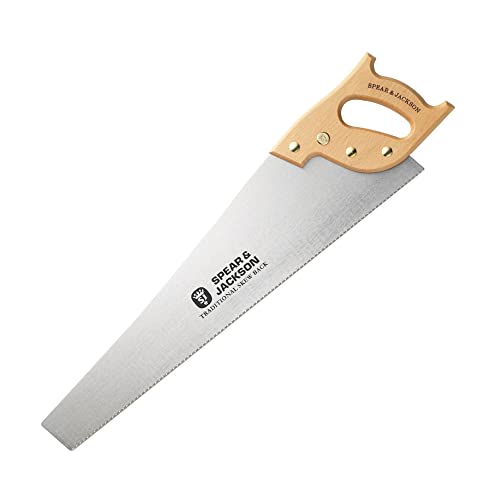
Spear & Jackson 9500R (B99) Traditional Handsaw 22" x 10 Points per Inch
Original price was: £28.99.£24.49Current price is: £24.49. -
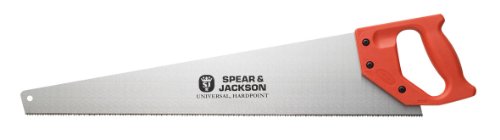
Spear & Jackson B9422 Universal Hardpoint Saw 22" x 8 Points Per Inch
£18.95 -
Spear & Jackson B9814 14 inch (356mm) X 14pts Predator Toolbox Saw
£12.70 -
Spear & Jackson B9822 Triple Pack Predator Universal Saw, 22" x 8pts (Pack of 3 Saws)
£31.72 -
Stanley 2-15-289" Jet Cut Rough Hand Saw, Multi-Colour, 550 mm
£24.91 -
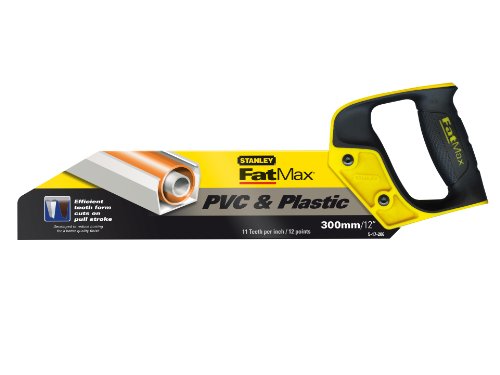
Stanley 217206 300mm/ 12-inch FatMax PVC and Plastic Saw, Yellow
£14.99 -
STANLEY FATMAX Folding Jabsaw, 8TPI, FMHT0-20559
Original price was: £14.99.£13.43Current price is: £13.43. -
SUIZAN Folding Hand Saw 120mm Versatile for Wood – Japanese Pruning saws
£22.80 -
SUIZAN Kataba Single Edge Saw 265mm – Japanese Pullsaw Hand Saws Wood Cut
£31.80 -
SUIZAN Ryoba Double Edge Saw 240mm – Japanese Pullsaw Hand Saws Wood Cut
£39.80 -
Tolsen Mitre Box and Tenon Saw Set, 300mm Mitre Block, Coving & Skirting
£15.65 -
TOOLAN: 8-In-1 Multi-Hand Saw, Drywall &Metal Cutter, Long Blade, Wood &Plastic Saw. Quick Change Blade
£15.25






Choosing the right hand saws for timber, metal and board
Even with a van full of power tools, most trades still carry a decent handsaw or two. They are quiet, need no charging and get into places a circular saw never will. The trick is matching the blade and tooth count to the material, because the wrong one makes slow, ragged work of a simple job.
Types of handsaws and what they are for
Universal handsaw: the general-purpose 550mm (22 inch) saw for carcassing, sheet material and site work. Popular ranges include the Spear & Jackson Predator, Irwin Jack and Bahco hardpoint lines.
Toolbox saw: a shorter 350mm to 400mm blade that fits in a kit bag, ideal for first fix and skirting in tight areas.
Backsaws: a stiff spine keeps the blade straight for accurate joints. Use one with a mitre box for coving, beading and trim.
Japanese pull saws: thin blades that work on the pull stroke, leaving a narrow kerf. Great for detailed woodworking and flush trimming.
Coping saw: a fine blade held in a frame, used for curves and scribing skirting to fit an internal corner.
Plasterboard saw: a pointed, coarse blade for punching through and cutting openings for sockets and downlights.
Hacksaw and junior hacksaw: for metal, plastic pipe and bolts. Keep a spare hacksaw blade or two in the set, as they wear quickly.
What TPI hand saw should I buy for DIY?
TPI means teeth per inch. Fewer teeth remove material faster, more teeth leave a smoother edge.
7 TPI or 8 TPI: fast ripping and rough carcassing. A 7tpi universal handsaw is the most popular all-rounder.
9tpi to 11 TPI: a good balance for general DIY, shelving and sheet goods.
12 TPI to 14 TPI: neater results on trim, MDF and laminate.
15 TPI and above: joinery and detailed woodworking.
If you only buy one, an 8 or 9tpi universal handsaw handles most jobs around the house.
Hardpoint or resharpenable blades
Most modern handsaws have hardened (hardpoint) teeth that stay sharp several times longer than traditional steel, but they cannot be resharpened. When they go dull, you replace the saw or, on some Bahco and Irwin models, fit a replacement blade to the handle. For the price of a good universal handsaw, that is usually the most practical route for site use.
How do I maintain a hand saw?
Wipe off sap and moisture after use and give the blade a light coat of oil to stop rust. Always fit the plastic blade guard before it goes back in the bag. Avoid nails and screws in reclaimed timber, as one hit can strip the teeth. Store saws flat or hung up, not loose among other products in a toolbox.
Hand saws FAQs
Are cordless circular saws any good?Yes, modern brushless models are strong enough for most site work and much faster on long rips. Our cordless circular saw guide and corded vs cordless saws comparison explain when they make sense. A handsaw still wins for quick trims and awkward spots.
Are electric handsaws cheaper to run than manual saws?No. A manual saw has no running costs beyond the odd replacement, while powered saws need batteries, blades and servicing. They do save a lot of time on bigger jobs.
Why are Japanese hand saws so good?Cutting on the pull stroke keeps the thin blade in tension, so it tracks straight with very little effort. They suit accurate joinery and are worth a look alongside our best saw for cutting wood guide.
Browse the rest of our hand tools range to fix up the rest of your kit.