Hammers
Compared on price, power and value, with prices checked daily against Amazon UK. Not sure where to start? Our buying advice is further down the page.
-

Gunpla 8oz Stubby Claw Hammer and Nails Puller, Carbon Steel Curved Framing Hammer Light Weight Tool for Construction Demolition Prying Splitting Tearing Wood with Comfort Non Slip Rubber Handle
£7.13 -
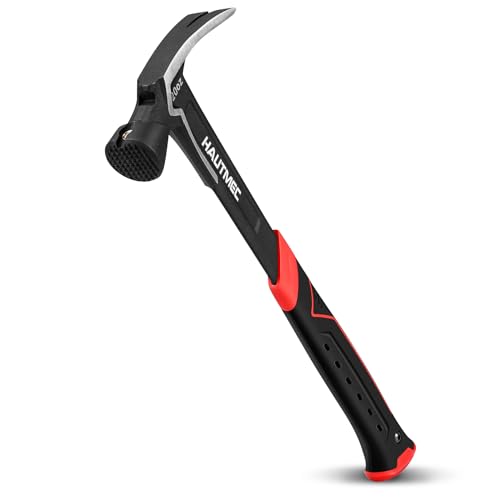
HAUTMEC 20 oz. One Piece Forged Framing Hammer with Straight Rip Claw Hammer, Milled Face, Shock-Absorbing Grip, with Magnetic Nail Holder, HT0371-HM
£28.99 -
Hilka 54251704 4oz Cross Pein Hammer Fibre Glass Shaft
£5.21 -
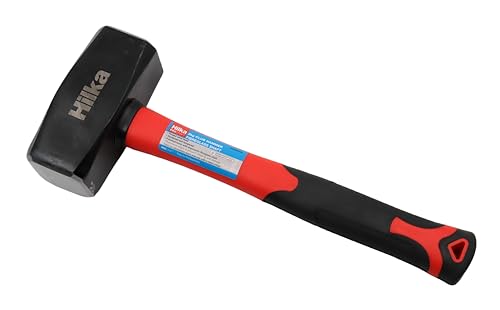
Hilka 54500040 2 Kg Pro Craft Club Hammer Fiber Glass Shaft , Black
Original price was: £11.84.£10.94Current price is: £10.94. -
Mannesmann Hammer_Mallet Engineer's, German Style, 300 g, Plastic Head & Handle, Black
£9.74 -
MAXPOWER Claw Hammer 8Oz, Curved Rip Framing with Polished Carbon Steel Head & Fiberglass Handle with Rubber Grip
£7.89 -
OX OX-P082920 Straight Rip Claw Hammer 20 oz with Non-slip Handle – Precision Balanced Hammer Tool Ideal for Carpenters and Electricians, Multi-colour
Original price was: £29.99.£23.39Current price is: £23.39. -
OX Pro Claw Hammer – 20 oz
£22.40 -
OX Trade Club Hammer 2.5lb/1.1kg, Fibreglass Handle, Forged Hardened Head
Original price was: £12.83.£11.03Current price is: £11.03. -
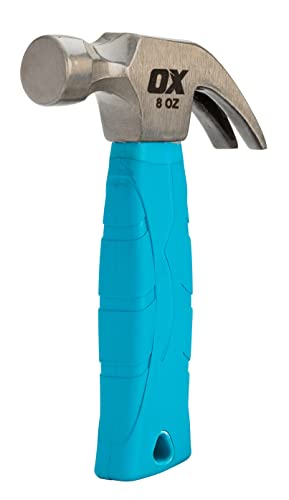
OX Trade Stubby Claw Hammer 8oz – Forged Steel, Fibreglass, Non-Slip
Original price was: £9.73.£7.93Current price is: £7.93. -
Rolson 10015 8 oz Midi Claw Hammer
Original price was: £7.80.£5.30Current price is: £5.30. -
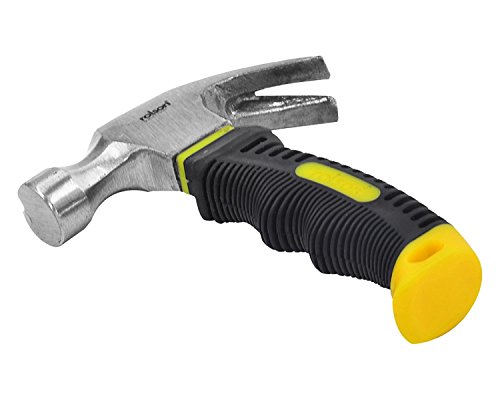
Rolson 10019 Stubby Claw Hammer
£5.66 -
Rolson 10117 4 oz Crosspein Pin Hammer
£4.04 -
Rolson 10334 8 oz Tubular Steel Claw Hammer
Original price was: £6.43.£6.00Current price is: £6.00. -
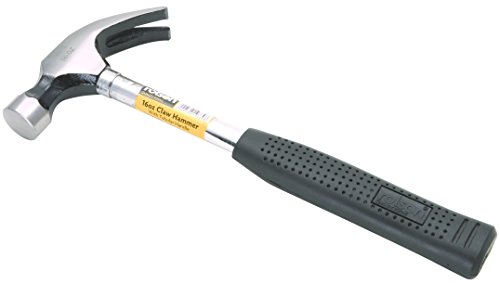
Rolson 10339 16 oz Claw Hammer Tubular Steel
£7.99 -
Rolson 10677 1.5 kg Stoning Hammer Fibreglass Shaft
£11.25 -
Rolson 11201 8oz Stubby Claw Hammer
£7.96 -
Roughneck Gorilla ROU11010 V-Series Claw Hammer 20oz/567g
Original price was: £33.80.£20.00Current price is: £20.00. -
Roughneck ROU65624 Mini Sledge Hammer Solid Fibreglass Core 4 Lb/1.8 kg
£19.98 -
SHALL 2-Piece Rubber Mallet Hammer Set, 16oz Rubber Hammer Mallet & 40mm Double-Faced Soft Mallet, Shockproof Fiberglass Handle with Cushion Grip, Damage-Free to Flooring, Tile, Crafts and Wood Work
£14.99









Choosing the right claw hammer for the job
Most people only own one or two of these, so it pays to get the right one. The claw style suits joinery, first fix and general DIY, while ball pein, club and soft faced types each have a job that a claw pattern does badly. Here is what to look at before you buy.
Curved or straight claw?
A curved claw gives you more leverage for pulling nails and is the everyday choice for DIY and second fix work. A straight claw hammer, sometimes called a rip claw hammer, is better for prising boards apart, splitting battens and first fix carpentry, and the straight claw doubles as a handy lever on site. If you mostly hang pictures and build flat pack, curved is fine. If you work on stud walls, decking or roofs, a steel rip claw or straight claw hammer is worth having.
Weight: 16oz or 20oz?
A claw hammer 16oz (453g) is the all rounder. It is light enough for long sessions and still drives 75mm nails without fuss. A claw hammer 20oz (567g) drives larger fixings in fewer blows, so it suits carpenters doing heavy first fix work, but it tires the wrist faster. For a first purchase, 16oz is usually the safer choice. Go to 20oz if you are working on site every day, and drop to 8oz for small pins and trim.
Shaft and head materials
Hickory is traditional, absorbs shock well and is easy on the arm, but it can break if you overstrike.
A fibreglass shaft is tough, light and resists damp, which makes it a good all round choice for trades and DIYers alike.
One piece forged steel, as made famous by Estwing, is very strong and well balanced. Look for a decent shock absorbing handle, as steel passes more vibration back to your hand.
Heads are usually hardened steel. A smooth face is suitable for finish work and leaves fewer marks, while a milled face grips the fixing better on rough timber but will mark the surface. Stanley, Estwing and DeWalt all offer a range of claw patterns in both styles, and most are available with a choice of handle. Between Stanley, DeWalt and other big names you will find lighter patterns suitable for occasional DIY as well as heavier ones aimed at trades working on site all day.
Other types to add to your list
Ball pein patterns are for metalworking, riveting and shaping.
Club or lump patterns are for driving bolsters, masonry chisels and stakes.
Rubber, nylon and copper mallets knock parts together without marking them. You will want one for chisels.
Cross pein pin patterns start small panel pins in tight spots.
Claw hammers FAQs
What size is best for general DIY? A 16oz curved claw with a fibreglass shaft or steel shaft covers most household jobs.
How do I stop marking the wood? Use a smooth face and stop just short of the surface, then finish with a nail punch.
Is it safe to strike chisels or punches with a claw pattern? No. Hardened faces can chip when struck against other hardened steel, so use a club pattern for masonry chisels and always wear eye protection. For more on building a sensible kit, see our hand tools buying guide, or browse all our hand tools products.