Dust Extraction
Compared on price, power and value, with prices checked daily against Amazon UK. Not sure where to start? Our buying advice is further down the page.
-

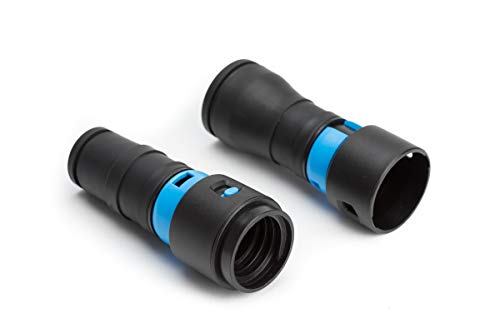
Cen-Tec Systems Quick Click 5m Hose 5-Piece Power Tool Adaptor Set for Dust
£59.95 -
Cen-Tec Systems Quick Click Two Piece Power Tool Dust 48mm 25-Pack
£16.95 -
CHARNWOOD 100E Dust Extraction 90 Degree Elbow, 100mm Diameter
£12.99 -
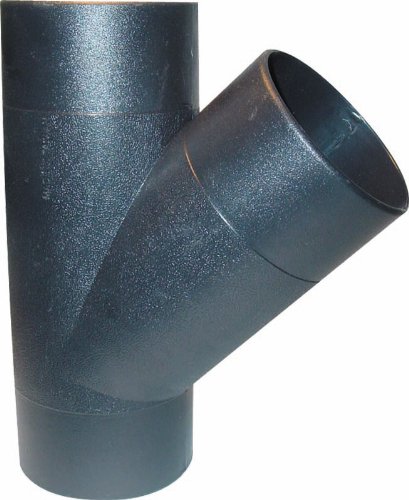
CHARNWOOD 100MM Y-PIECE Hose Connector for Woodworking DUST Extraction
£12.00 -
Charnwood 5 Piece Stepped Dust Extraction Hose Reducer 100mm to 35mm
£10.00 -
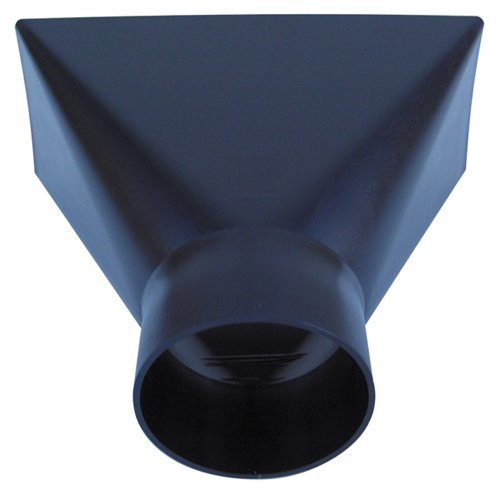
CHARNWOOD DH250 Dust Collection Dust Hood 250mmx110mm, for 100mm Hose
£13.96 -
CHARNWOOD DH410 Dust Collection Dust Hood 410mmx320mm, for 100mm Hose
£33.99 -
CUNTAUK Universal Vacuum Adapter, 3Pcs Vacuum Clearner Adapter for Power Tools, Sander Dust Extraction Hose Adaptor for Makita Random Orbital Sander, Jigsaw, Circular Saw Reducer
£5.99 -
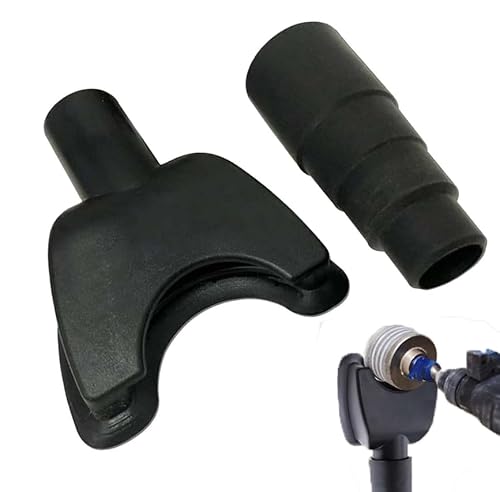
CwQisjk Hands-Free Dust Collector,Electric Drill Vacuum Cleaner Dust Extractor Tool,for Effective Dust Removal and Debris Collection during Drilling Ideal for Hand Dust Extraction
£6.19 -
DEWALT 18V XR INT DUST Extraction Bare Unit, Battery Powered, Yellow/Black, [Style] – Style
Original price was: £149.69.£143.98Current price is: £143.98. -
Diment Power Universal Surface Grinding Dust Shroud for Angle Grinder 115mm / 125mm
£29.99 -
Drill Dust Collector, Electric Drill Vacuum Cleaner Extraction Accessories, Labor-Saving Hands Free Plastic Bowl for Removing Debris, for Drilling, Woodworking, and DIY Projects (Black)
Original price was: £5.45.£4.96Current price is: £4.96. -
Dust Extraction Cutting Guard, Expert Professional Dust Control for 115mm/4.5" and 125mm/5" Angle Grinders, Dust Removal System for Mortar Masonry Brick Raking, Wall Chasing
£27.45 -
Dust Extraction Cutting Guard,HERZO Cutting Dust Shroud with Diamond Saw Blade for 5 inch Angle Grinder
£27.99 -
DWV9000 Quick Connector for Universal Vacuum Clearner Adapter, Sander Dust Extraction Hose Adaptor Replacements for Power Tools, Compatible with DEWALT Sanders and Dust Extractor Hose
£9.98 -
DWV9000 Universal Vacuum Clearner Adapter – Quick Connector, Sander Dust Extraction Hose Adaptor Replacements for Power Tools, Compatible with DEWALT Sanders & Dust Extractor Hose
£9.99 -
Hands-Free Dust Collector, Black Electric Drill Vacuum Cleaner
£8.99 -
Hands-Free Dust Collector,Electric Drill Vacuum Cleaner,Dust Extraction Tool for Wall-Mounted Vacuum Attachment to Remove Debris and Prevent Splashing During Drilling,Compatible with Most Drills
£7.69 -
Hands-Free Dust Collector,Electric Drill Vacuum Cleaner,Dust Extraction Tool for Wall-Mounted Vacuum Attachment to Remove Debris and Prevent Splashing During Drilling,Compatible with Most Drills
£6.59 -
HAPPOW Hands-Free Dust Collector,Drill Dust Collector,Wall-Mounted Vacuum Cleaner for Effective Extraction, Dust Collection Tool,for Removing Debris and Dust in Drilling
£8.99









Choosing dust extraction for tools and workshops
Most products here are the parts that make a system work: hoses, adaptors, hoods, bags and drill collectors. Pair them with the right extractor and you get a cleaner working environment, better finish and far less fine debris in your lungs.
Which type of system do I need?
On-tool extractors: a powerful dust extractor that plugs into a sander, saw or SDS drill and often switches on with the tool. Best for site work and fine particles.
Chip collectors: low-pressure, high-volume units for planers, table saws and bandsaws in a home shop. Many run on a single phase 13A supply.
Fixed ducted systems and LEV: larger units piped to several machines, often bespoke for a trade workplace.
What are L, M and H class dusts?
Dust extractors are rated by the hazard they can safely handle. L class suits low-risk material such as general softwood debris. M class is the trade standard for hardwood, MDF, plaster and concrete, with high filtration and an airflow alarm. H class is for the most hazardous items, including mould and asbestos-related work. If you sand MDF or cut masonry most of the day, buy M class.
Hoses, adaptors and filters
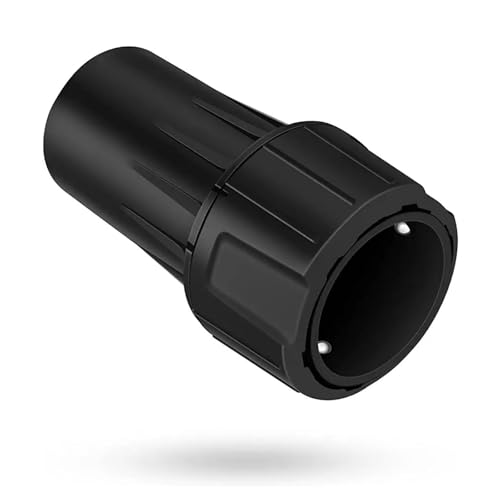
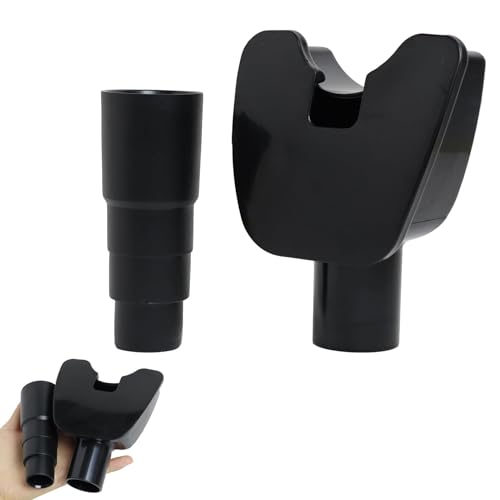
Check outlet sizes before you shop. Many power tools use 26 to 38mm ports, while workshop machines use 63mm or 100mm. Simple stepped adaptors and quick-click sets let one hose fit several options. Compare bag and filter packs on price per item, and keep a spare pack in stock so a single full one does not stop working for the day. View the product page for exact fit.
Dust extraction FAQs
Is it a legal requirement? For employers, yes. COSHH requires exposure to hazardous material to be controlled, and an on-tool unit is a common way to do that. See the HSE guidance on construction dust for more information.
What is Local Exhaust Ventilation (LEV)? Any engineered system that captures airborne contaminants at source. Under COSHH, an LEV system should be thoroughly examined and tested at least every 14 months.
How do I know which replacement filters my extraction unit needs? Check the model number on the unit and the manual, which lists the right filter and bag codes.
How often should extraction filters be changed? Clean them whenever suction drops and replace them once cleaning no longer restores airflow, or as the maker recommends.
What is the difference between filtered and vented extraction? Filtered units clean the exhaust and return it to the room. Vented systems duct it outside, which suits fumes but loses heated air.
What is best for removing fine particles? Capture at the tool first, then use an air filter unit for clean air in an enclosed shop. Pair with our best orbital sanders guide, or browse all power tools.