Cordless Impact Drivers
Compared on price, power and value, with prices checked daily against Amazon UK. Not sure where to start? Our buying advice is further down the page.
-

Makita DTD152ZBL1850 DTD152Z LXT 18v Impact Driver Body with 1 x 5Ah Battery, 18 V Blue/Black
£113.00 -
Makita DTW190Z 18V Li-Ion LXT Impact Wrench – Batteries and Charger Not Included
£73.46 -
Makita DTW300Z Li-ion LXT Brushless Cordless Impact Wrench, Batteries and Charger Not Included, 18 V
Original price was: £142.99.£129.49Current price is: £129.49. -
Metabo HPT 18V MultiVolt™ Cordless Triple Hammer Bolt Impact Driver | Tool Only – No Battery | WH18DCQ4 Impact Driver
£124.66 -
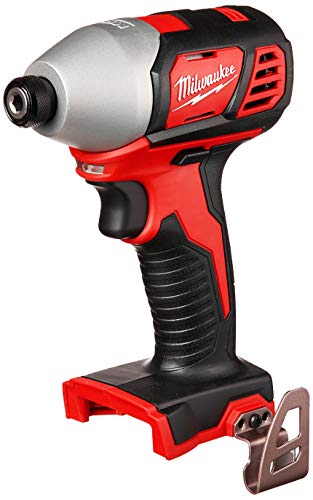
Milwaukee 2656-20 M18 18V 1/4 Inch Lithium Ion Hex Impact Driver with 1,500 Inch Pounds of Torque and LED Lighting Array (Battery Not Included, Power Tool Only)
£49.50 -
Milwaukee 2953-20 18V Lithium-Ion Brushless Cordless 1/4'' Hex Impact Driver (Bare Tool), Red
£109.55 -
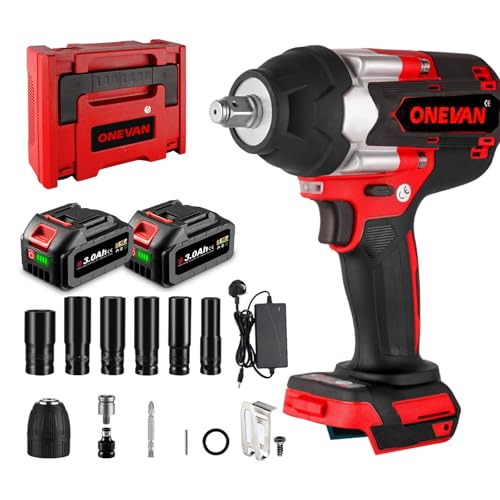
ONEVAN Cordless Impact Wrench 1000N.m(737.56 ft-lb), 1/2 Inch Brushless Impact Gun, 3 Speed Forward and 2 Reverse Impact Wrenches, with 6 Sockets, 2×3.0Ah Battery, Hard Box, Best Gift for Father's Day
Original price was: £82.89.£72.10Current price is: £72.10. -
Protmex Cordless Impact Wrench – 665Ft-Ibs (900N.m) 1/2 inch Impact Driver, 21V Power Brushless Impact Gun with 2×4.0Ah Battery 5 Sockets 8 Drill 6 Screws, Impact Wrenches for Wheel Nuts/Car/Tyres
£79.99 -
Rechargeable Impact Driver 20V, Yunirvana Variable Speed (0-2800RPM) Cordless Impact Driver with 6Pcs Screwdriver bits,1.3Ah Battery and Charger,Suitable for Tightening Screws
Original price was: £26.79.£25.19Current price is: £25.19. -
RYOBI 18V ONE+ Brushless Impact Driver (Battery & Charger Excluded)
Original price was: £136.99.£114.00Current price is: £114.00. -
RYOBI ONE+ 18V Cordless 1/4 in. Impact Driver (Tool Only) Green
Original price was: £55.14.£51.32Current price is: £51.32. -
Ryobi ONE+ HP 18V Cordless Compact Brushless 1/4" Impact Driver PSBID01 (Tool ONLY- Battery and Charger NOT Included)
£109.45 -
Ryobi R18ID2-120SZ 18V ONE+ Cordless Impact Driver Starter Kit (1 x 2.0Ah)
Original price was: £129.98.£118.95Current price is: £118.95. -
RYOBI R18ID3-0 18V ONE+ Cordless 3-Speed Impact Driver (Battery & Charger Excluded)
£110.00 -
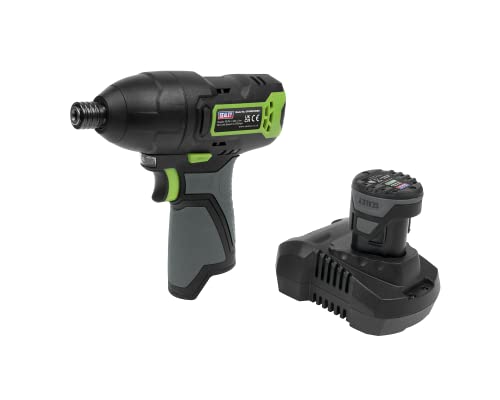
Sealey 10.8V 2Ah SV10.8 Series 1/4" Hex Drive Cordless Impact Driver Kit CP108VCID
£52.99 -
Sundpey 650N·m Cordless Impact Driver – 2-in-1 3200RPM Brushless Electric Impact Gun – 21V 480Ft-lbs Power Impact Wrench with 2 x 4.0Ah Battery & 6 Sockets & 9 Drill Bits & Desktop Charger & Tool Case
£47.99 -
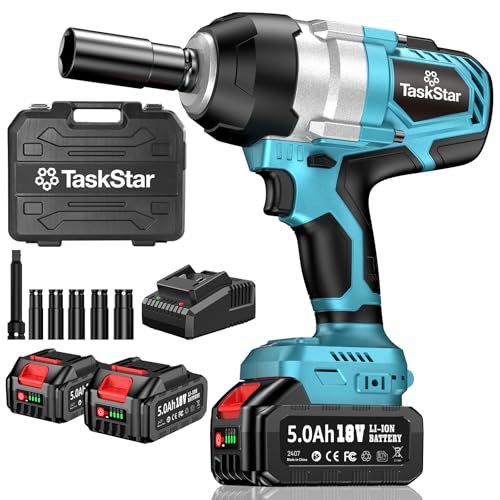
TaskStar Cordless Impact Wrench 1000Nm (738ft-lbs), 1/2 Brushless Impact Gun, 21V 4.0Ah Battery, 5 Sockets & Case, for Car Van Caravan Lug Nut
Original price was: £69.99.£56.99Current price is: £56.99. -
TEENO Brushless Cordless Impact Wrench, 320Nm Impact Nutrunner with 3.0Ah Battery, Wheel Bolts, Box with 25pcs Accessories (one Battery)
Original price was: £41.99.£39.99Current price is: £39.99. -
Upgraded Cordless Impact Wrench Brushless 1/2 inch Driver 21V 550N.m High Torque with Socket Set 14mm 17mm 19mm 22mm, with Battery 3000mAh Li-Ion 3200rpm Variable Speed, with Carry Box
£30.38 -
WORX WX291 20V Cordless Impact Driver
£60.40








Choosing the right impact driver for your work
An impact driver looks a lot like a small drill, but it works very differently. As well as spinning, it delivers rapid rotational hammer blows once the screw starts to resist, so it can sink long screws and drive small bolts with far less effort and far less strain on your wrist. If you spend a lot of time fixing timber, decking, stud walls or roofing battens, an impact driver will quickly become the tool you reach for first.
This range covers 18V impact drivers from the big trade platforms plus a few 12V and budget options, and you will also spot some impact wrenches in the list. The guide below explains what to look for so you can compare them properly.
Impact driver or impact wrench
An impact driver has a 1/4 inch hex chuck that takes screwdriver bits and hex-shank accessories. It is built for screws and light bolts. An impact wrench has a square drive (usually 1/2 inch) for sockets and is aimed at wheel nuts, heavy bolts and steelwork. If most of your jobs involve wood and screws, choose the driver. If you work on vehicles or structural fixings, the wrench makes more sense.
Torque, speed and modes
Torque on an 18V impact driver usually sits somewhere between 150Nm and 200Nm or more. Higher torque helps with long coach screws and stubborn bolts, but it is not the only thing that matters. Look for a variable speed trigger and multiple speed or power modes, because a softer setting stops you snapping small screws or chewing up plasterboard. Some pro models add a self-tapping screw mode that slows down automatically as the screw bites.
Brushless motor, size and weight
A brushless motor runs cooler, lasts longer and gets more work out of each charge than a brushed one. It also tends to make the tool more compact. For overhead work, kitchen fitting or getting between joists, a short head length and lower weight make a real difference over a full day. Our brushless vs brushed tools guide explains the trade-off in more detail.
Bare tool or kit
Many listings here are sold as a bare tool or bare unit, which means no batteries or charger in the box. That is usually the best price if you already own batteries for the same system, such as DeWalt 18V XR, Makita LXT, Milwaukee M18 or Bosch Professional 18V. If you are starting from scratch, a kit with two batteries and a charger is usually better value overall. Sticking to one battery platform keeps your options open as you add more power tools, and our battery guide covers capacity and run time.
Choosing a brand and platform
DeWalt, Makita and Milwaukee all make excellent impact drivers, and the right choice usually comes down to which batteries are already on your van. Milwaukee M12 and other 12V tools suit electricians and fitters who value a light, compact driver. Ryobi ONE+ and Einhell are sensible options for DIY use, with a huge range of tools on the same battery. For a side-by-side look at the trade brands, see our DeWalt vs Makita vs Milwaukee comparison.
Impact driver FAQs
Can I use an impact driver as a drill? For small holes in wood, yes, using hex-shank drill bits. It is not suited to accurate holes, large bits or masonry, so most people keep a combi drill alongside it. Our impact driver vs drill guide goes through when to use each tool.
What sort of jobs is an impact driver best for? Decking, framing, fixing battens, driving long screws into timber, fitting kitchens and running small bolts into metal. It also handles self-drilling screws into thin steel well.
Is a brushless motor worth the extra cost? For regular use, usually yes. You get longer battery life, more consistent power and less wear. For occasional DIY, a brushed model will still do the job.
What torque do I need for DIY around the home? Almost any 18V impact driver has enough torque for shelves, fences and flat-pack. Use the lower mode for small screws and save full power for long fixings.