Cordless Circular Saws
Compared on price, power and value, with prices checked daily against Amazon UK. Not sure where to start? Our buying advice is further down the page.
-

GALAX PRO Circular Saw, 140mm Cordless Circular Saw 20V with 2 Blades (18T+48T), 3800RPM Variable Speed, Includes 2.0Ah Lithium Battery and Charger, Max Cutting Depth 41mm(90°), 36mm(45°)
£47.00 -
Greenworks GD24KSK2 Cordless Circular Saw, 4800 RPM, 165 mm Blade, 57mm Cutting Depth, with 2Ah Battery and Charger
£99.99 -
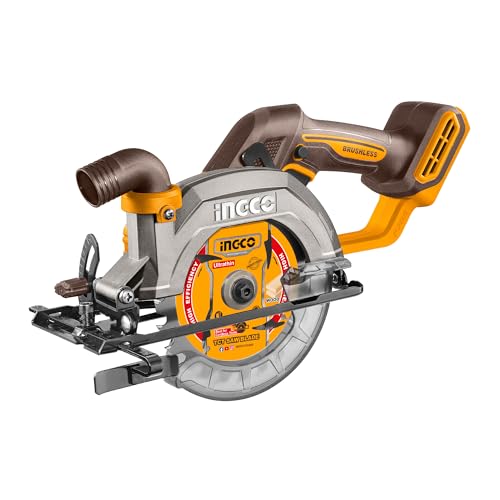
INGCO 20V 140mm Cordless Circular Saw with Brushless Motor (Body Only) 6300RPM Max. Cutting Depth 50mm (90°) Electric Circular Saw 20mm Arbor CSLI1402
Original price was: £55.99.£47.59Current price is: £47.59. -
INGCO 20V 140mm Cordless Circular Saw with Brushless Motor 6300RPM Max. Cutting Depth 50mm (90°) Electric Circular Saw 20mm Arbor with 1Pcs 4.0Ah Battery and Charger CSLI14021
Original price was: £83.99.£71.39Current price is: £71.39. -
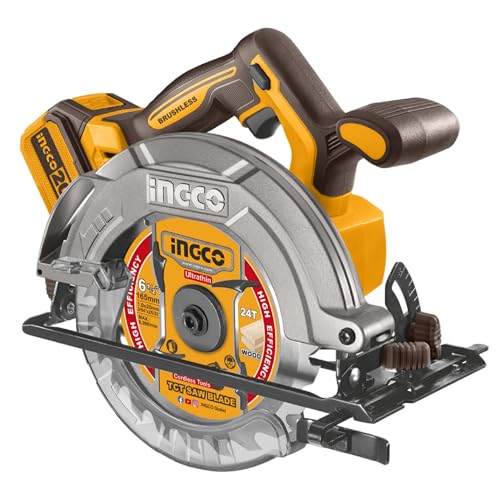
INGCO 20V Cordless Circular Saw 165mm (Body Only) Brushless Motor, 5200RPM, Max. Cutting Depth 55mm (90°) Powerful and Efficient Cutting Tool CSLI1652
£59.99 -
INGCO 20V Cordless Circular Saw 165mm with Brushless Motor 5200RPM Max. Cutting Depth 55mm (90°) Powerful and Efficient Cutting Tool with 1Pcs 4.0Ah Battery and Charger CSLI16521
£93.99 -
INGCO 20V Cordless Circular Saw Diameter 185mm, Brushless Electric Saws 4800 RPM, Maximum Cutting Depth 65mm with 1Pcs 4.0Ah Battery Pack, 1Pcs Fast Charger, 1Pcs Saw Blade CSLI18511
Original price was: £99.99.£89.99Current price is: £89.99. -
KATSU FIT-BAT Cordless Circular Saw 21V/18V Brushless Motor 125mm 5Inch Without Batteries, 125mm Blade Included 102794
£52.85 -
KATSU FIT-BAT Cordless Circular Saw 21V/18V, 7 Inch 180mm Brushless Motor, 180mm Blade Included, Without Batteries 102795
£59.99 -
KATSU Tools Cordless Circular Saw 125mm, Brushless Motor, for Wood Plastic
£39.99 -
Makita DHS680Z 18V Li-Ion LXT 165mm Brushless Circular Saw – Batteries and Charger Not Included
£179.99 -
Makita DSS501Z 18V Li-Ion LXT 136mm Circular Saw – Batteries and Charger Not Included
£134.99 -
Makita DSS610Z 18V Li-Ion LXT 165mm Circular Saw – Batteries and Charger Not Included
£129.48 -
Makita DSS611Z 18V Li-Ion LXT 165mm Circular Saw – Batteries and Charger Not Included
£95.78 -
Makita DSS611Z 18V LXT Li-ion Circular Saw 165mm + 1 x 5Ah Battery & Charger
£200.99 -
Makita HS012GZ01 40V Max XGT Brushless 165mm Circular Saw Supplied in a Makpac Case – Batteries and Charger Not Included
£265.64 -
Milwaukee M18 CCS55 Circular Saw, 18.0V, without battery or charger, 18V, color red
£266.00 -
Milwaukee M18 CCS55-502X 2.25" 5000 RPM 1.575" 80.8dB 91.8dB 5.55" Circular Saw
£597.08 -
Milwaukee M18CCS55 18V Fuel Circular Saw 165mm with 1 x M18B5, Charger & 24'' Bag
£343.66 -
Milwaukee M18CCS55-0 Fuel Circular Saw
£246.25





Choosing between cordless circular saws
A good battery circ saw is the workhorse of most carpentry kits. It rips sheet material, crosscuts joists, trims decking and handles first fix framing without a lead in sight. Modern brushless motors mean an 18V model now keeps up with many corded saws for everyday site work. Here is how to narrow down the options.
Blade size and depth of cut
Blade diameter sets how deep the saw will go. A 165mm blade is the most popular size in the UK and gives around 55mm depth at 90 degrees, enough for 47mm carcassing and most sheet goods. A 184mm or 190mm saw takes you past 60mm, which is useful for thicker timber and roof work, but adds weight. Compact 136mm and 140mm models are light, one-handed tools for trimming plywood, laminate and boarding. Check the depth at 45 degrees too, as that is what limits bevel work.
Platforms worth knowing
Stick to the battery system you already run. DeWalt 18V XR saws are a common sight on site, with 18V XR brushless options in both 165mm and 184mm. Makita 18V LXT covers everything from compact trim saws to twin pack machines, and Milwaukee M18 Fuel models are known for power under load. Bosch, Ryobi ONE+, Einhell Power X-Change and Stanley FatMax V20 suit DIY users who want good value. An 18V 165mm brushless saw is the sweet spot for most buyers. If you already own packs, a bare unit (often listed as body only) saves a lot of money.
Features to check
Electric brake, so the blade stops quickly when you release the trigger.
A sturdy base plate, ideally aluminium or magnesium, that stays flat.
Clear sight line or LED light, plus a dust port or bag.
Rail compatibility, as some models run on a guide rail like a plunge saw.
Tool-free depth and bevel adjustment with positive stops.
Circular or plunge saw
A plunge saw sits on a guide rail and gives splinter-free, dead straight cuts, which makes it the better choice for kitchen fitters and joiners breaking down worktops and sheet stock. A brushless plunge saw costs more but is far more accurate. For general carpentry, a standard saw is quicker to set up and more versatile. Our Makita track saw review explains the differences.
Blades and materials
The blade matters as much as the machine. Use a 24 tooth blade for fast rip and framing cuts, 40 to 48 teeth for a cleaner finish on sheet material, and a fine tooth laminate blade for worktops. A metal cutting saw with a dedicated blade is the right tool for steel sheet and unistrut, so do not fit a timber blade for that job. Keep spare saw blades in the van, as a blunt blade drains packs and burns timber.
Cordless circular saw FAQs
Is a battery saw as good as a corded one? For most jobs, yes. A corded circular model still makes sense for long ripping sessions in a workshop, but brushless battery saws now handle the bulk of site work. See corded vs cordless saws.
What size should I buy? Choose 165mm for general carpentry, 184mm or 190mm for heavier timber, and a compact model for trimming. Read our cordless circular saw guide for more, or browse all cordless power tools for related categories.